
Studies Show Olive Oil for Sleep and Strong Bones

olive oil for sleepStudies are showing that olive oil is beneficial for many aspects of our health.

Olive oil can help strengthen the heart, support normal blood pressure and blood sugar levels, and can calm inflammation. 

The oil assists with good sleep, supports the brain, and may prevent strokes.  Stiff joints and arthritis can also be relieved with olive oil, especially when combined with fish oil (per Healthline.com).

Regarding olive oil for sleep, a recent study appeared in a journal that writes about the health of older people.  This study included 1,639 people and found that eating a Mediterranean type diet improves the quality of sleep in older adults.  The Mediterranean diet includes foods such as fruit, vegetables, olive oil, fish, nuts, seeds and whole grains. 

Olive oil is a key component of this way of eating – a tradition that has developed in the European countries that surround the Mediterranean Sea.

Those in the study that didn’t adhere to the Mediterranean diet as well, had poorer sleep quality. The adults in the study that followed the diet more closely reaped the following benefits: More sound sleep through the night, falling asleep more quickly, feeling well rested when they woke up and during the day, and they were happy about the amount of sleep they got overall.

Olive oil has also been proven to help bone strength.  According to the International Osteoporosis Foundation: “Osteoporosis and low bone mass are currently estimated to be a major public health threat for almost 44 million women and men aged 50 and older in the USA.”

A recent study from the International Journal of Environmental Research and Public Health has discovered that olives, olive oil and their potent plant nutrients called “polyphenols”, have a high potential for strengthening bones and preventing osteoporosis. Human research shows that daily consumption of olive oil can prevent a decline in bone mineral density. 

Some good ways to eat olive oil is to use it in salad dressings and on vegetables, rub it on meat and fish before cooking to keep it moist, use it instead of butter in sauces and gravies, spread it on fresh bread, and saute or cook food with it.

This natural health news is provided by Nutrition Breakthroughs, a publisher of nutrition articles and supplier of natural remedies since 2002. Nutrition Breakthroughs makes Sleep Minerals II, the effective natural sleep aid with calcium, magnesium, zinc and vitamin D. 

The company also makes Joints and More, the natural solution for joint relief, aches and pains, stronger hair and nails and more energy.

Olive oil for sleep?

Regarding olive oil for sleep, a recent study of 1,639 people found that eating a Mediterranean type diet high in olive oil improves the quality of sleep. This diet includes foods such as fruit, vegetables, olive oil, fish, nuts, seeds and whole grains. The people in the study who ate this way were able to fall asleep faster, sleep longer and wake up refreshed.

Is olive oil good for osteoporosis?

A recent study from the International Journal of Environmental Research has discovered that olives, olive oil and their potent plant nutrients have a high potential for strengthening bones and preventing osteoporosis. Human research reveals that daily consumption of olive oil can prevent a decline in bone mineral density. 

What are health benefits of olive oil?

Olive oil can help strengthen the heart, support normal blood pressure and blood sugar levels and can calm inflammation.  It assists with good sleep, supports the brain and may prevent strokes.  Stiff joints and arthritis can also be relieved with olive oil, especially when combined with fish oil
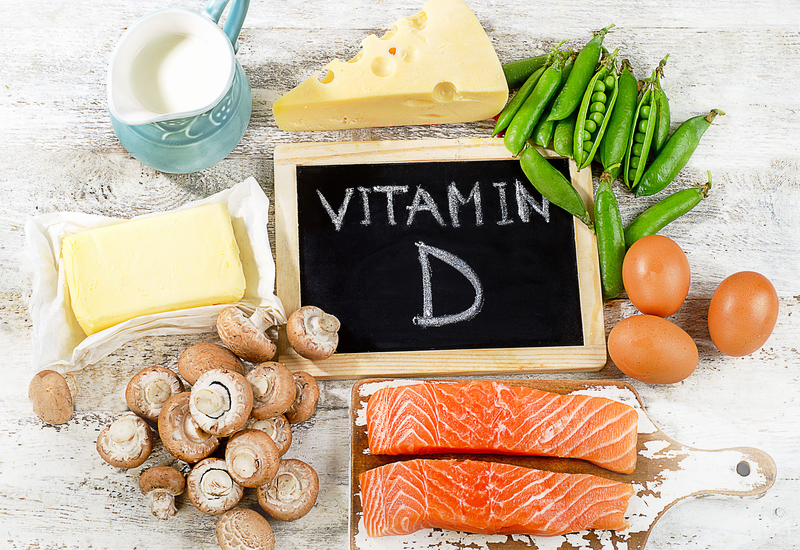

How Vitamin D Rich Foods May Help Remedy Insomnia

Here’s a short vitamin D primer that also includes how it can affect insomnia.  Shared by Nutrition Breakthroughs, maker of Sleep Minerals II
***********************
Do you struggle with falling asleep or staying asleep at night? If so, you are not alone. Every night, millions of people lie in bed hoping for a restful night’s sleep that does not come.

It is estimated that one in three people will develop acute insomnia every year, and about 10% of these individuals will struggle with insomnia for several months at a time.

Insomnia can wreak havoc on one’s ability to live a normal, productive life. In fact, lack of sleep can lead to mood changes, memory loss, and impaired judgement. In addition, unresolved or unmanaged sleep disorders can increase the risk of chronic pain, depression, and a compromised immune system.

There are a variety of sleep medications on the market to help manage insomnia. However, the side effects often lead to a new set of health complications. As a result, many people have begun searching for a safer, natural alternative to promote a healthier sleep cycle. Of the options on the market, vitamin D is proving to be a serious contender.

Vitamin D at a glance

Vitamin D has been making media headlines for over two decades. Originally believed to be important solely for bone health, research continues to uncover a wide range of additional health benefits of maintaining optimal levels.

Unfortunately, despite the thousands of studies that have showcased the body’s need for vitamin D, deficiency remains highly prevalent. This is due to a variety of factors, including but not limited to:

  • Indoor lifestyle
  • Sunblock use
  • Avoidance of mid-day sun exposure
  • Lack of supplement use
  • Imbalanced diet
  • Obesity

Often, people who are vitamin D deficient experience symptoms like fatigue, joint and muscle pain, frequent infections and insomnia.

How vitamin D status may impact sleep quality

Vitamin D is not just a vitamin, it’s a hormone. That means, after undergoing a couple of activation processes in the body, it binds to cells throughout the body to regulate a wide range of bodily functions.

Hormones are fat-soluble substances derived from cholesterol. They are produced by glands such as the thyroid, adrenals and pancreas, and then released into the bloodstream to reach target cells. These include cortisol made by the adrenals, testosterone, estrogen and yes, vitamin D.

So, how may vitamin D impact sleep? Vitamin D receiving points are located throughout regions of the brain that regulate our mood and sleep patterns. This has led researchers to theorize that vitamin D helps regulate the circadian rhythm, which is our body’s internal clock that instructs us when to sleep, eat, and rest.

  • Several studies have supported this theory by reporting a relationship between healthy vitamin D levels and improved sleep quality. In addition, a recent study found that vitamin D deficiency is associated with an 11-fold increased odds of resistance to sleep medication. This means that the people who didn’t respond to sleeping drugs had a lower level of vitamin D in their body.

Best sources of vitamin D

Thankfully, there are a variety of ways one can ensure they are receiving enough vitamin D to promote healthy sleep cycles.  This includes safe sun exposure (avoiding getting burned), supplementation, and eating a balanced diet.

Now more than ever, foods are being fortified with vitamin D in an effort to better support the body’s needs. However, people frequently ask, which form is better, vitamin D2 or D3?

Vitamin D2 is obtained through the diet and is produced by plants; whereas D3 is naturally produced when the skin is exposed to the sun and it can be consumed via animal sources in the diet.

Vitamin D3 is more bioavailable than D2, meaning this form is more efficiently utilized by our bodies. For this reason, experts recommend people ensure they are receiving ample amounts of vitamin D3 per day.

Top sources of vitamin D rich foods

  1. Cod liver Oil is the most potent dietary source for vitamin D3. In just one tablespoon, you can receive 1,360 international units (IU) vitamin D3. In addition to vitamin D, cod liver oil is rich in vitamin A and omega-3 fatty acids.
  2. Fatty fish, such as salmon, sardines and mackerel are the best dietary sources of vitamin D, with about 500 IU vitamin D3 content in just three ounces of cooked fish. Also rich in omega-3 fatty acids, these sources offer a heart-healthy option for those looking for a balanced dietary approach to maintaining healthy vitamin D levels.
  3. Plain greek yogurt is another healthy option to provide some of your daily vitamin D needs. Known for its probiotics, greek yogurt helps support a healthy intestinal tract. In addition, it is a great snack for people who struggle with hyperglycemia (high blood sugar) due to its high protein, low carbohydrate ratio. It also contains calcium, magnesium and about 80 IU vitamin D per 6 oz serving.
  4. Eggs offer another beneficial source of vitamin D3. They generally contain about 40 IU per yoke.
  5. Perhaps one of the most popular dietary sources of vitamin D is milk. It offers about 120 IU vitamin D3 per serving. Milk also provides a great source of calcium. For this reason, milk is an important dietary component to protecting bone health.

Final thoughts

If you struggle with insomnia and hope vitamin D may help improve your sleep quality, there are a couple important factors to keep in mind. First, consistency is key. Although time of day isn’t important when eating foods rich in vitamin D or taking an oral supplement, it is important that this is done on a regular basis.

Research suggests that taking a couple thousand international units (IU’s) of vitamin D per day between foods and supplements is ideal when addressing sleeplessness and insomnia.

One supplement that contains a good amount of vitamin D is Sleep Minerals II from Nutrition Breakthroughs. It also contains highly absorbable forms of calcium, magnesium, and zinc, which are all blended together with healthy oils to form an absorbable soft gel. Together, these vitamins and minerals work to help facilitate quality sleep.  Vitamin and mineral deficiencies can cause one to wake up in the middle of the night and be unable to fall back asleep.

One Sleep Minerals II user in Massachusetts says: “I had become dependent on sleeping drugs and couldn’t sleep without them. Now I take the Sleep Minerals before bed and can sleep through the whole night without drugs. I’m also able to easily fall back to sleep if I do have to get up.  Another benefit is this helps alleviate my chronic fatigue and aches and pains.”

Vitamin D is one of the master players in the game we all hope to win: Vibrant health, well-being and good sleep. Use it well in foods and supplements, as well as together with those minerals that are best-known for being relaxing insomnia remedies.

For more information, visit the Sleep Minerals II page.

Banishing Charley Horses and Muscle Cramps Naturally

charley horseDo you ever find yourself suddenly awakened in the middle of the night with a muscle cramp that feels like an uninvited guest in your leg?

These muscle cramps, commonly referred to as “Charley horses,” can strike at the most inconvenient times, leaving you desperately seeking relief.

However, the good news is that there are natural remedies that can help you bid farewell to these painful cramps and welcome restful nights once more.

The Mystery Behind Charley Horses and Muscle Cramps

Charley horses, or muscle cramps, are involuntary muscle contractions that can occur in any muscle in your body. They can be caused by various factors, such as dehydration, overuse of muscles, and, in some cases, an underlying medical condition. However, one of the most common reasons for muscle cramps is an imbalance of electrolytes, particularly calcium, magnesium, and potassium.

The Power of Calcium

Calcium is not just for strong bones; it also plays a crucial role in muscle function. Adequate calcium levels in your body help regulate muscle contractions. When calcium levels dip too low, it can lead to muscle cramps. Research has shown that increasing your calcium intake can help alleviate muscle cramps.

A study published in the “Journal of Clinical Medicine” found that calcium supplementation reduced muscle cramp frequency in pregnant women. Including calcium-rich foods like almonds, leafy greens, cooked broccoli, figs, oranges and organic dairy products in your diet can be a tasty way to keep cramps at bay.

Magnesium: The Mighty Muscle Mineral

Magnesium is another essential mineral that can make a significant difference in preventing muscle cramps. It aids in muscle relaxation by counterbalancing calcium’s stimulating effect. Low magnesium levels can lead to muscle hyperactivity, making cramps more likely to occur. A study in the “Journal of Clinical Biochemistry and Nutrition” found that magnesium supplementation reduced the frequency and severity of muscle cramps in elderly subjects. To boost your magnesium intake, consider adding foods like nuts, seeds, whole grains, and leafy greens to your diet.

Potassium for Cramp Prevention

Potassium is a key player in maintaining proper muscle function and preventing cramps. Low potassium levels can lead to muscle weakness and cramping. Including potassium-rich foods like bananas, sweet potatoes, and citrus fruits in your diet can help maintain optimal potassium levels. A study published in the “Journal of the International Society of Sports Nutrition” found that potassium supplementation reduced the incidence of muscle cramps in athletes.

The Sunshine Vitamin and Charley Horses

Vitamin D, often known as the “sunshine vitamin,” is essential for maintaining healthy muscles. Research suggests that vitamin D deficiency may contribute to muscle cramps. A study in the “Journal of Clinical Endocrinology & Metabolism” showed that vitamin D supplementation improved muscle function in individuals with vitamin D deficiency. So, catch some sun and add vitamin D-rich foods like fatty fish, fortified dairy products, and egg yolks to your diet to keep your muscles happy.

The Role of Vitamin K2

Vitamin K2 plays a vital role in calcium metabolism. It helps direct calcium to our bones and teeth while preventing its buildup in soft tissues, including muscles. A study from the Frontiers in Nutrition Journal has shown that vitamin K2 was effective to reduce the frequency, severity, and duration of muscle cramps and was safe to take.  Food sources include sauerkraut, egg yolk, organ meats like chicken liver, and fermented foods like kefir.

In Conclusion

Charley horses and muscle cramps can be an unwelcome interruption to your daily life, but there are natural remedies that can help you find relief. Proper nutrition, including foods with calcium, magnesium, and potassium, along with vitamin D and vitamin K2, can make a world of difference in preventing and alleviating muscle cramps.

This health news is shared by Nutrition Breakthroughs, maker of the original calcium and magnesium based sleep aid Sleep Minerals II, and Joints and More, a natural supplement for joint relief, less aches and pains, and more energy.

Kimberly B. of Troy, Michigan says: “I have been taking Sleep Minerals II for about a month now. I have tried everything out there and this supplement is amazing. I have suffered with insomnia for 2 1/2 years. I have also had restless leg syndrome my entire life and this is the first relief I’ve ever had…gone for a month now.”

Natural Remedies for Hand Arthritis

hand arthritisGreetings to you,

This article is for anyone who experiences arthritis pain in their hands. 

One great exercise to do is to alternately stretch the fingers out and then make them into a fist.  Done a few times a day, this can do wonders for easing and relieving arthritis pain. 

Some other good tips for managing hand arthritis and reducing pain would be to do some regular gentle physical exercise such as taking walks or swimming, getting a good night’s sleep each night, and taking fish oil supplements, ginger, or MSM to reduce inflammation and soreness.

Ginger for Arthritis

Arthritis causes pain, swelling, and reduced motion in the joints. It can occur in any joint, but usually it affects the hands, knees, hips or spine.

A recent study published in the journal “Arthritis” found that a standardized ginger extract is as effective as the anti-inflammatory drug betamethasone for all types of arthritis, but without the many side effects the drug is known for (fluid accumulation, nausea, adrenal gland suppression, insomnia and depression).

Studies on MSM for Arthritis

Sulfur-containing supplements such as MSM hold great promise for people with joint-cartilage problems. It has been shown in studies to remedy arthritis and provide relief.  Sulfur is particularly concentrated in the joints, nails, skin, hair and connective tissues.

MSM sulfur is a white, water-soluble element found in nature and in foods such as milk, fresh fruits, vegetables, seafood and meat. Food processing methods like heating, washing and freezing all deplete MSM in foods, making regular replenishment beneficial.

In one study of MSM, University of California School of Medicine professor Ronald Lawrence, M.D., followed 16 patients with degenerative arthritis – a form of joint disease. The patients who took MSM daily for six weeks reported an 80 percent reduction in pain. Dr. Lawrence has also conducted studies showing that MSM increases hair growth and brilliance, as well as nail thickness and length.

This health information on hand exercises for arthritis and natural arthritis remedies is brought to you by Nutrition Breakthroughs.

Nutrition Breakthroughs provides the effective natural sleep aid Sleep Minerals II and the natural solution for joint relief, pain relief and increased energy which contains pure MSM, Joints and More.

Additional resource: 9 exercises for hand arthritis from the Arthritis Foundation: https://www.arthritis.org/health-wellness/healthy-living/physical-activity/other-activities/9-exercises-to-help-hand-arthritis

Do hand exercises help arthritis?

Hand exercises can ease and relieve arthritis pain.  These movements can also be of assistance with wrist soreness and carpal tunnel syndrome, which is a condition that causes numbness, pain or tingling in the hand or arm due to a nerve in the wrist being compressed.

How can I slow down arthritis in my hands?

Some good tips for managing arthritis and reducing pain would be to do some regular gentle physical exercise such as taking walks or swimming, getting a good night’s sleep each night, and taking fish oil supplements, ginger or MSM to reduce inflammation and soreness.

Healthy Fruits to Eat Plus Banana a Top Sleep Food

Greetings to you,

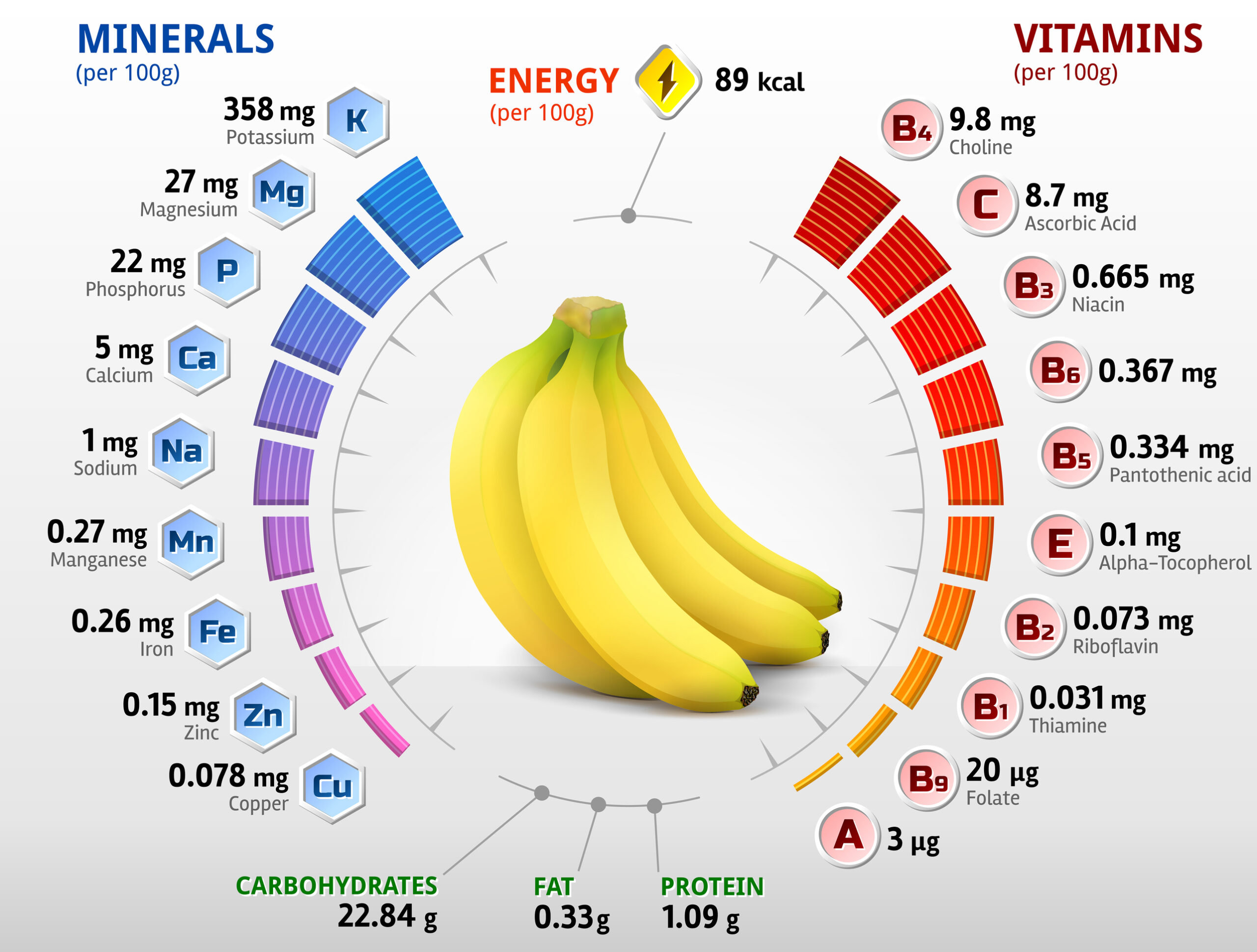
Below is a chart with all of the healthy vitamins and minerals in bananas. There are truly many health advantages to eating raw, healthy fruits and vegetables that are bursting with life.

For example, a study from Harvard University found that eating blueberries helps to prevent diabetes.  Another thing scientists have found is that fresh fruits and vegetables reduce inflammation and stress in the body and can add years to one’s life.

Many of the scientific studies on cherries are done with tart cherries or Montmorency cherries — usually sold as juice, dried, frozen, and in powdered supplement capsules. For those seeking a food-based remedy for sleeplessness and insomnia, the tart Montmorency cherry is known to contain high levels of melatonin, the hormone made in the brain that regulates the sleep-wake cycle.

The European Journal of Nutrition presented a placebo-controlled study that proved drinking tart cherry juice is a great sleep food as it increases melatonin and improves sleep quality. Drinking the juice resulted in longer sleep times, less daytime napping and greater overall sleep efficiency (the ratio of the time spent in bed to the time actually spent sleeping).

Another recent study on the use of melatonin-rich foods for sleep appeared in the journal “Nutrients”.  The study was called “Dietary Sources of Melatonin.”  Many nuts are known as “drupe fruits”.

These are fruits with pits or stones inside.  The researchers for the study in “Nutrients” noted that nuts contain some of the highest quantities of melatonin.  Topping the list are almonds and walnuts.  Almonds deliver a two-part punch as they are also high in magnesium, a mineral known to induce sleep.

Bananas are high in both magnesium and potassium, and each of these minerals are proven to be a good sleep food in research studies.  The Journal “Sleep” recently reported that the use of potassium for sleep results in significant improvements in quality of sleep and less waking up during the night.

Warm milk is perhaps the most famous natural sleep aid.  James F. Balch, M.D., author of Prescription for Nutritional Healing, writes that: “A lack of the nutrients calcium and magnesium will cause you to wake up after a few hours and not be able to return to sleep.”  The European Neurology Journal supports this with their study showing that the normal course of sleep is achieved by increasing calcium levels in the body.

One natural insomnia remedy showing good results is Sleep Minerals II from Nutrition Breakthroughs.  This natural sleep aid contains powerful forms of calcium and magnesium, the best known minerals for relaxation and sleep, as well as for restless leg syndrome, stomach health, teenage insomnia and menopause insomnia.

The ingredients are formulated in a softgel with healthy oils, making them more quickly absorbed than tablets or capsules and providing a deeper, longer-lasting sleep.

Richard P. of Parkville, Maryland says: “The ‘Sleep Minerals are making quite a difference.  I was regularly waking at around 3:00 a.m. and after a few days use my sleep improved quite a lot.  I wake once a night to go to the bathroom, but the great thing is, I then fall back asleep and sleep several more hours.  This has been a great improvement.”

Sleep inducing fruits and minerals are a healthy alternative to taking sleeping drugs, and fruits and vegetables in general are among the healthiest foods in existence.  For more information on natural minerals for sleep, visit the Sleep Minerals II page.


sleep food

Menopause Hot Flashes Improved by Evening Primrose Oil and Minerals

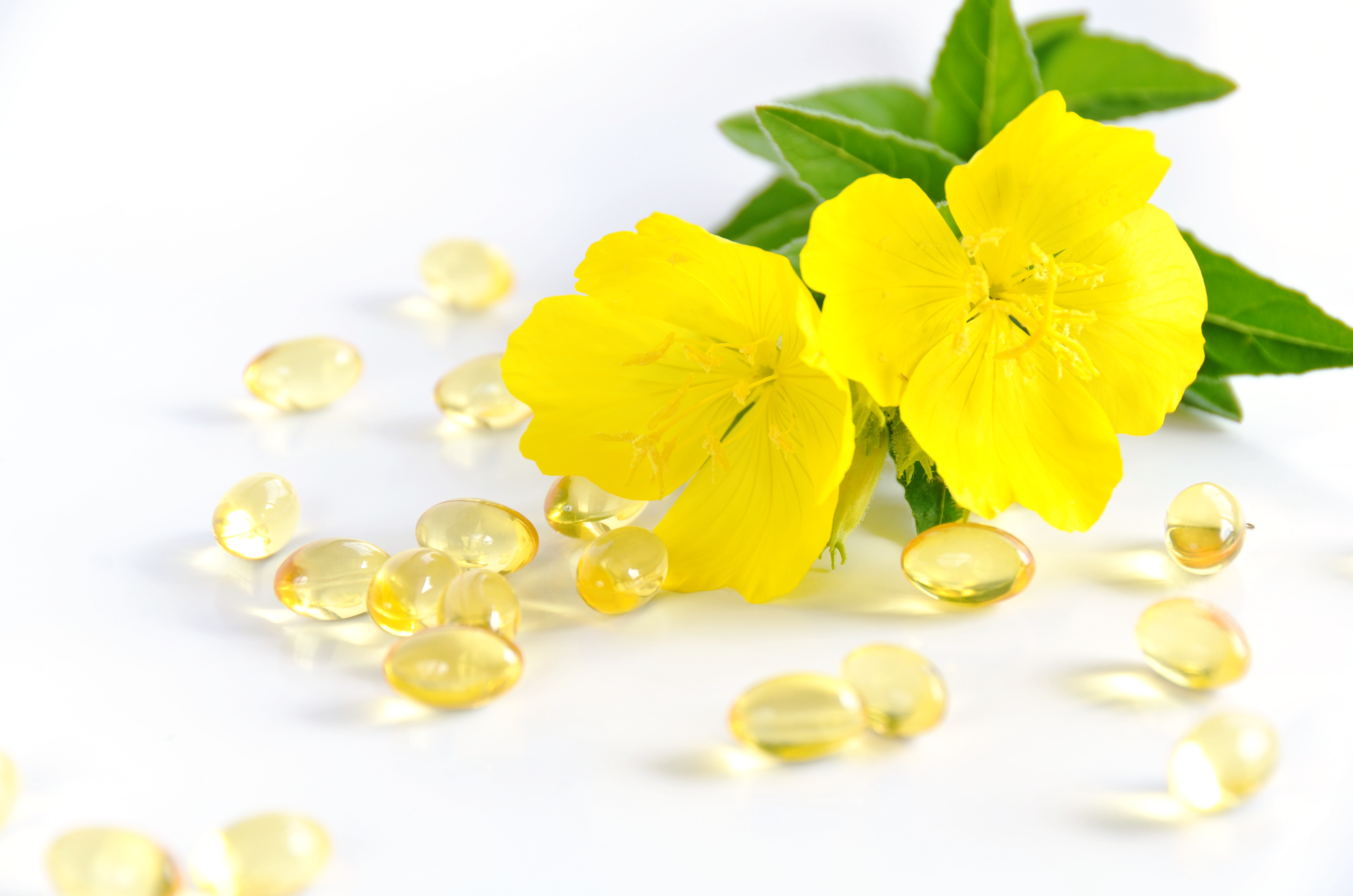
evening primrose oil helps hot flashesEvening primrose oil comes from the seeds of a yellow wildflower that grows throughout the United States.

In a study from the Archives of Gynecology and Obstetrics, researchers tested the effect of evening primrose oil on 56 menopausal women aged 45 to 59 with hot flashes.

The women were given two capsules per day of evening primrose oil (500 mg per capsule) for a continuous 6 weeks.  The results showed there was a 42% improvement in the severity of hot flashes, as well as beneficial improvements in their life activities.

Mineral supplements such as magnesium and calcium are also of good benefit to menopausal women with hot flashes and night sweats.  One example is a 2011 study from the Virginia Commonwealth University Health System.  Women with at least 14 hot flashes a week received 400 milligrams of magnesium oxide for 4 weeks, increasing to 800 mg. per day if needed.  At the end of the study, the magnesium supplements had reduced their frequency of hot flashes from 52 to 28 per week, a 41.4% reduction.  Fatigue, sweating, and distress were also significantly reduced.

One insomnia remedy that also helps with hot flashes and night sweats and is increasing in popularity among women in menopause is Sleep Minerals II from Nutrition Breakthroughs.  This natural sleep aid contains highly absorbable forms of calcium and magnesium, the best minerals for sleeplessness and insomnia, as well as for heart health, restless legs syndrome, bone strength, and menopause insomnia.

Anita L. of New Caney, Texas says: “I was having hot flashes every 30 minutes to an hour through the night and was so miserable.  After about two weeks of taking the Sleep Minerals, I noticed an incredible difference with my sleep.  I have much less interruption from flashes, I’m sleeping much better, and I’m a lot more comfortable.”

Valerie H. of Santa Clarita, California says: “I had such severe menopause insomnia it took me hours to fall asleep even though I was extremely tired.  My legs also had crawling and tingling feelings at night. I got the Sleep Minerals and after several days, it started to work really well. I fall asleep now within 20 minutes and no more restless legs.”

Natural menopause remedies are a healthier option for women with hot flashes, night sweats and insomnia.  For more information, visit the Sleep Minerals II page.

New Research: Vitamin E Prevents Muscle Loss With Aging

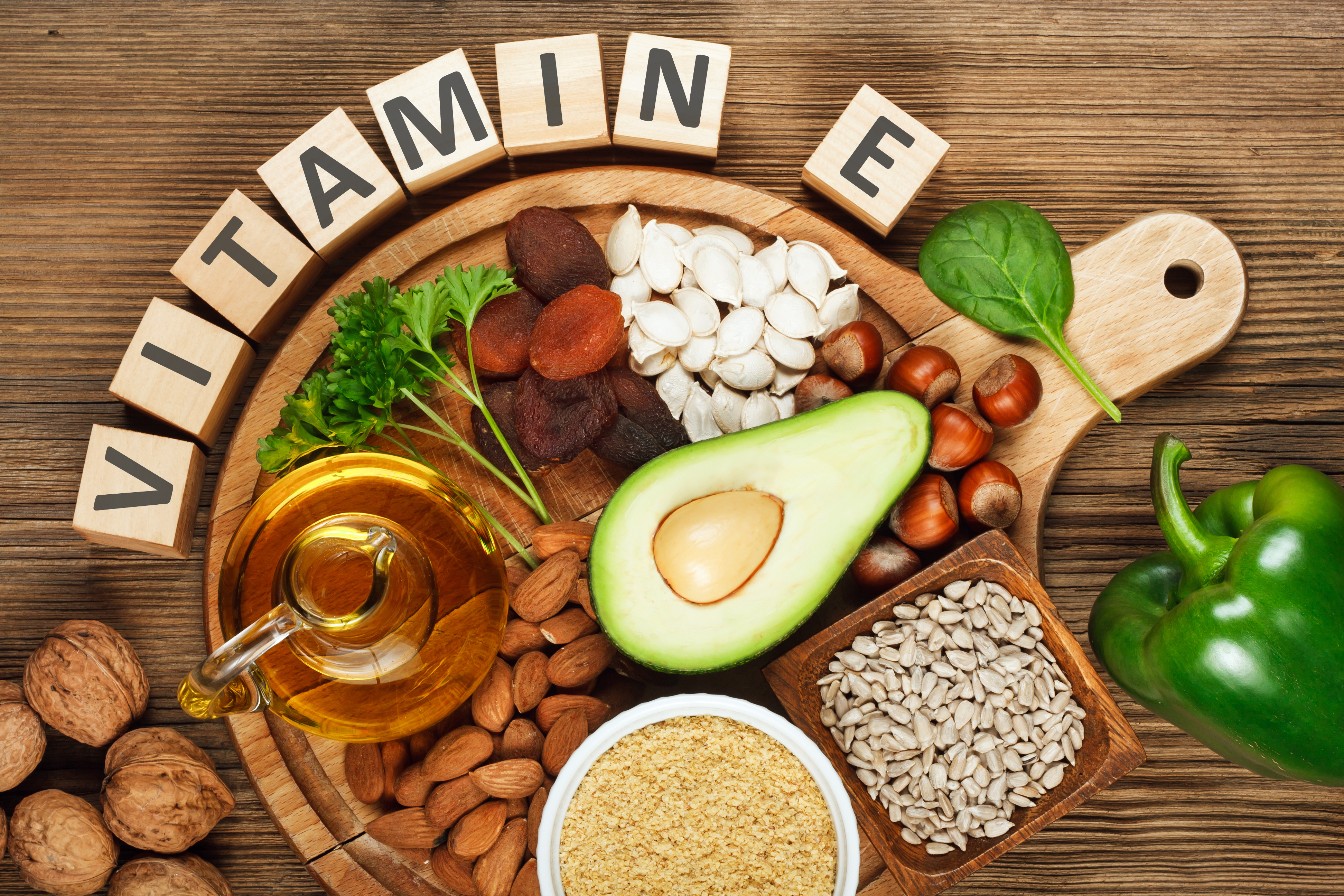
vitamin e foodsA study from the journal “Oxidative Medicine and Cellular Longevity” has demonstrated that vitamin E can prevent and treat the loss of muscle mass and strength that occurs as people age.  This loss of muscle is known as “sarcopenia”.

Regarding the word “oxidative” that is included in the journal name, this refers to the process in our bodies where we process the oxygen we breathe in, and our cells produce energy from it.

This process can become imbalanced and create a state of “oxidative stress” if we don’t consume enough “anti” oxidants such as vitamins E, C and A.  Besides the body’s own natural metabolism functions, sources of oxidative stress can include pollution, medications or drugs, smoke, infection, stress, toxins, or a poor diet.

The researchers explain that vitamin E creates healthy muscles because a reduced level of vitamin E or a deficiency in the body is associated with an increased risk of muscle atrophy (shrinkage).  The vitamin can prevent muscle damage and encourage muscle regeneration.

Muscles in the body are particularly susceptible to oxidative damage as these are the site of the highest consumption of oxygen. Vitamin E is a fat soluble vitamin that greatly boosts cellular antioxidant capacity.  Because of this, vitamin E can be beneficial for preventing the effects of aging and for also treating infections, cardiovascular diseases, diabetes and neurological disorders.

Several studies have demonstrated an association between vitamin E levels and the amount of muscle strength or weakness.  One study in Italy was done with 1,156 participants between 65 years old and 102.  Knee extension strength tests showed that a daily intake of vitamin E is significantly related to a person’s total physical performance and strength.

Another group of scientists proved the beneficial effects of vitamin E in reversing muscle damage during extensive exercise in men.  The men took 800 units of Vitamin E daily for 28 days.  After a downhill run, their oxidative stress indicators were measured and were shown to be markedly reduced in both the older and younger men.

Vitamin E has many pathways by which it brings its beneficial health effects.  In addition to being a powerful antioxidant, it is also an effective anti-inflammatory vitamin.  It may halt the overall inflammation in the body by suppressing certain reactive cells of the immune system.  These inflammatory responses and cells have a direct affect on muscle strength and mass as well, so vitamin E does its good deeds in benefiting the muscles in this additional way.

Inactivity and immobility can lead to muscle wasting, so the researchers highly encourage low intensity exercises as an effective means to increase muscle strength and performance.  This may include walking, lifting light weights, doing squats, etc.  This also increases a person’s ability to balance and control the body well.  Combining a healthy diet with nutrition supplements and exercise is the most highly recommended approach to improved muscle strength.

Vitamin E has also been shown to ease arthritis pain and stiffness.  One study showed that pain parameters were significantly decreased after vitamin E treatment when compared with placebo.

This natural health news is provided by Nutrition Breakthroughs, a publisher of nutrition articles and supplier of natural remedies since 2002. Nutrition Breakthroughs makes Sleep Minerals II, the effective natural sleep aid with calcium, magnesium, zinc and vitamin D, and also Joints and More, the natural solution for joint relief, aches and pains, stronger hair and nails and more energy.

Best Sleep Aids and Tips for Good Sleep

sleep aid*********************************
This article is provided by Nutrition Breakthroughs, maker of the effective calcium and magnesium based sleep aid Sleep Minerals II
*********************************
Greetings to you,

Insomnia is defined as the inability to fall asleep, stay asleep, return to sleep, or can include all of these.  When someone experiences insomnia for at least three nights per week for at least three months, it is considered “chronic insomnia”.

Forty million Americans experience insomnia each year and there is an increased prevalence of insomnia in women and older adults.  It can be caused by stress, anxiety, depression, or major life changes such as with jobs or relationships.

Other causes of sleeplessness include various medical conditions or poor sleep habits such as going to bed too late, consuming caffeine too late in the day, or using computers or cell phones too close to bed time.

Many natural sleep remedies are making the news headlines lately, with research and studies discovering ones that are drug-free and effective.  For example, one study called “The Nutritional Relationships of Magnesium”, found that the type of insomnia associated with a calcium deficiency causes difficulty with falling asleep.

On the other hand, the classical sign of magnesium deficiency is insomnia characterized by falling asleep easily, but awakening frequently throughout the night, with individuals finding themselves tired even after several hours of sleep.

Walking has been shown to help with insomnia. Studies at the University of Arizona found that walking more than six blocks a day at a normal pace significantly improves sleep at night for women.  Scientists suspect that this exercise helps set our biological clock into a consistent wake/sleep pattern, or that it may boost the brain’s production of melatonin, a chemical in the brain that’s produced at night time and encourages good sleep.

Tart cherry juice is another proven natural sleep remedy. In a study published in the European Journal of Nutrition, researchers found that drinking tart Montmorency cherry juice results in significant sleep improvements such as longer overall sleep time, less daytime napping, and increased overall sleep efficiency (the ratio of the time spent in bed to the time spent sleeping).  The researchers credited the benefits of cherry juice to its high natural melatonin content.

A handful of walnuts with dinner or in the evening can also improve sleep.  Russel Reiter, Ph.D., a professor of cellular biology at the University of Texas Health Science Center says, “Relatively few foods have been examined for their melatonin content. Our studies demonstrate that walnuts contain melatonin, that it is absorbed when it is eaten, and that it improves our ability to resist stress in the body and also keep the heart healthy.”

Natural remedies can be a strong force in the fight against insomnia.  Those with sleeping problems are encouraged to seek out and try ones that may assist them to get a regular good night’s sleep.

This natural health news is provided by Nutrition Breakthroughs, a publisher of nutrition articles and supplier of natural remedies since 2002. Nutrition Breakthroughs makes Sleep Minerals II, the effective natural sleep aid with calcium, magnesium, zinc and vitamin D, and also Joints and More, the natural solution for joint relief, aches and pains, stronger hair and nails and more energy.

Vitamin E Protects Muscles, Remedies Hot Flashes

vitamin e*********************************
This health news is provided by Nutrition Breakthroughs, maker of the effective calcium and magnesium based sleep aid Sleep Minerals II
*********************************
A study from the journal “Oxidative Medicine and Cellular Longevity” (see definition for “oxidative” below), has demonstrated that vitamin E can prevent and treat the loss of muscle mass and strength that occurs as people age.

Regarding the word “oxidative”, this refers to the process in our bodies where we process the oxygen we breathe in and our cells produce energy from it.  This process can become imbalanced and create a state of “oxidative stress” if we don’t consume enough “anti” oxidants such as vitamins E, C and A.

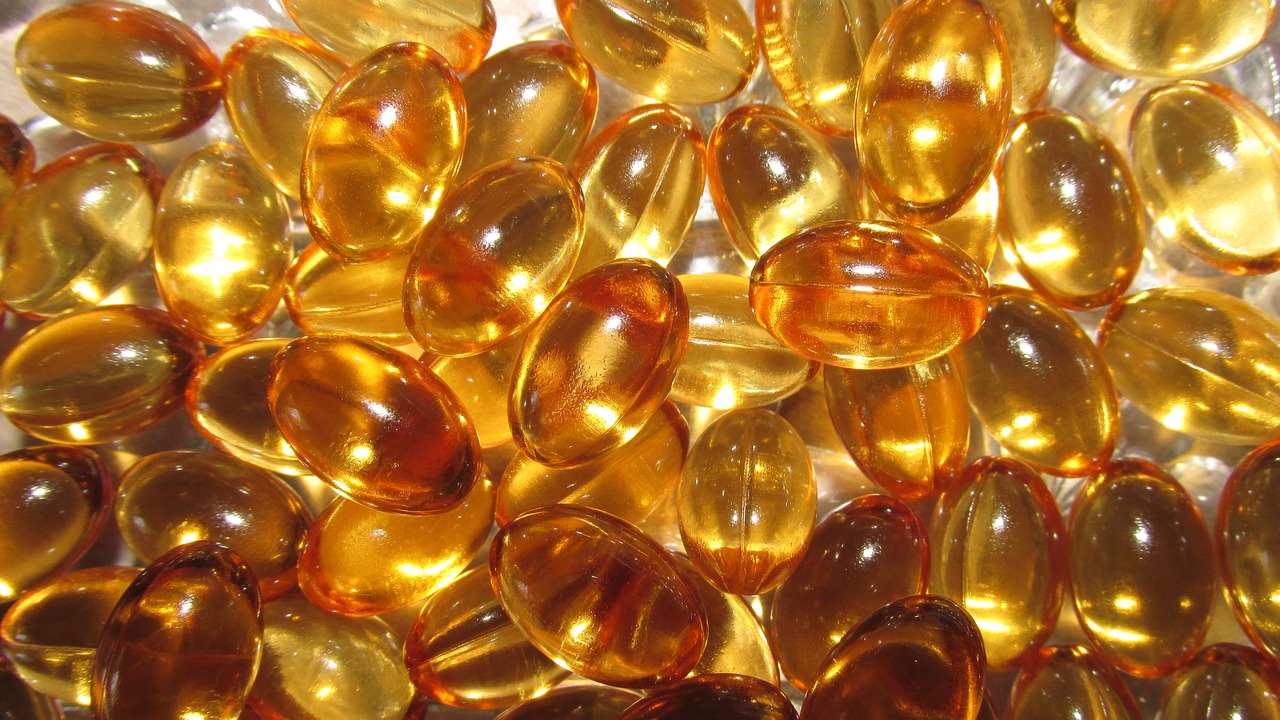
Vitamin E was also shown in recent research from “Gynecologic and Obstetric Investigation” to be a natural alternative to estrogen therapy and an effective remedy for hot flashes and night sweats.

Besides the body’s own natural digestion and metabolism functions, other sources of oxidative stress can include pollution, medications or drugs, smoking, infection, stress, toxins or a poor diet.

The researchers from the journal of “Oxidative Medicine and Cellular Longevity” explain that a reduced level of vitamin E or a deficiency in the body is associated with an increased risk of muscle atrophy (shrinkage).

The vitamin can prevent muscle damage and encourage muscle regeneration.  Muscles in the body are particularly susceptible to oxidative damage as these are the site of the highest consumption of oxygen. Vitamin E is a fat soluble vitamin that greatly boosts cellular antioxidant capacity.

Because of this, vitamin E can be beneficial for preventing the effects of aging and for also treating infections, cardiovascular diseases, diabetes and neurological disorders.

While vitamin E is famous for the health benefits it provides to glands, organs and the heart, it may not be generally known that vitamin E is a proven remedy for menopausal hot flashes and night sweats.

A hot flash, also called a hot flush, is a sudden unexpected feeling of warmth and often a breakout of sweat in the upper half of the body.

These flashes occur with up to 80% of women around the time of menopause, and men can also have them due to a lessening of testosterone at middle age.  A night sweat is a “hot flash” that occurs in the night, often while one is sleeping, and can cause frequent awakenings.

Vitamin E was shown to be a natural alternative to estrogen therapy and an effective remedy for hot flashes. The researchers found there were significant statistical differences in the hot flash severity score after women took a 400 IU vitamin E (softgel cap) daily for 4 weeks.  They concluded that based on the trial, vitamin E brings relief and is a recommended hot flash treatment.

Adelle Davis, the first nutritionist to base her recommendations on science-based studies, says: “During the menopause the need for vitamin E soars ten to fifty times over that previously required. Hot flashes and night sweats often disappear when 50 to 500 units of vitamin E are taken daily, but they quickly recur should the vitamin be stopped.”

Calcium is also directly related to night sweats and our cycles of sleep.  In one study published in the European Neurology Journal, researchers found that calcium levels in the body are higher during some of the deepest levels of sleep, such as the rapid eye movement (REM) phase.

The study concluded that disturbances in sleep, especially the absence of REM deep sleep or disturbed REM sleep, are related to a calcium deficiency.  Restoration to the normal course of sleep was achieved following the normalization of the blood calcium level.

Regarding the need for calcium need at the time of menopause Davis says: “During the menopause, the lack of the ovarian hormones (estrogen and progesterone) causes severe calcium deficiency symptoms to occur.”

“At these times, high amounts of calcium should be obtained and every step be taken to insure its absorption into the blood. When these precautions are taken and the diet is adequate in other respects, the woman at menopause usually loses her irritability, hot flashes, night sweats, leg cramps, insomnia, and mental depression.”

One supplement that contains highly absorbable forms of calcium and magnesium is Sleep Minerals II from Nutrition Breakthroughs.  It is a proven remedy for sleeplessness and insomnia, as well as for heart health, restless leg syndrome, bone strength, menopause insomnia, hot flashes, night sweats, and teenage insomnia.

Sleep Minerals II also contains vitamin D and zinc and is delivered in a softgel form mixed with natural rice bran oil, making it better assimilated than tablets or capsules and providing a deeper, longer-lasting sleep.

Anita L. of New Caney, Texas says: “I was having hot flashes every 30 minutes to an hour through the night and was so miserable. After about two weeks of taking the Sleep Minerals, I noticed an incredible difference with my sleep. I have much less interruption from flashes, I’m sleeping much better and I’m a lot more comfortable.”

This natural health news is provided by Nutrition Breakthroughs, a publisher of nutrition articles and supplier of natural remedies since 2002. For more information on Sleep Minerals II, visit the Sleep Minerals II page.

Ahh Chooo: MSM Effective for Allergy Symptoms

MSM is a natural mineral made of sulfur that has been shown in studies to relieve arthritis, headaches, back pain, and also contribute to stronger hair and nails.

MSM is known as “Factor N”, for returning cells to normal.

A recent study from the Genesis Center for Integrative Medicine in Graham, Washington has found yet another benefit of MSM — it’s effectiveness for seasonal allergies and hay fever.

MSM sulfur is a white, odorless, water-soluble element found in nature and in foods such as milk, fruits, vegetables, seafood and meat. It is especially high in eggs, onions, garlic, asparagus and broccoli. When food is heated, washed, frozen or processed, it becomes depleted of its natural MSM stores — making supplementation beneficial.

Seasonal allergies affect more than 23 million Americans each year. Symptoms can include sneezing, watery eyes, runny nose, congestion, coughing, itchy throat and fatigue. Side effects of antihistamines include drowsiness, and decongestants may result in insomnia or irritability.

The goal of the MSM study was to evaluate whether a natural mineral can reduce allergy symptoms and to determine if it has any possible side effects.

The study was published in the Journal of Alternative and Complementary Medicine. Fifty-five patients with seasonal allergies were given MSM at 2,600 milligrams per day. The MSM use resulted in significantly reducing upper and total respiratory symptoms within 7 days.

Lower respiratory symptoms were substantially improved by the third week. Few side effects were associated with the use of MSM and no patients dropped out of the study from any adverse reactions. In addition, by day 14 the energy levels of participants had increased considerably.

The researchers concluded that MSM supplementation of 2,600 mg/day for 30 days is an effective and “side-effect free” remedy in the reduction of seasonal allergy symptoms. An unforeseen and valuable benefit of MSM was a significant increase in energy. For this reason, it’s best to take MSM early in the day rather than in the afternoon or evening too close to bedtime.

This health news is provided by Nutrition Breakthroughs. Since 2001 Nutrition Breakthroughs has provided natural health articles and effective natural remedies.  Their mission is to provide nutritional supplements that get results and help people to avoid drugs and their side effects.

Nutrition Breakthroughs makes Joints and More, which contains pure organic MSM for allergy and asthma relief, arthritis and headache relief, increased energy, and stronger hair and nails. For more information, visit the Joints and More page.

Nutrition Breakthroughs also makes Sleep Minerals II, the original calcium and magnesium based sleep remedy.  It’s been shown effective for sleeplessness and insomnia, as well as for restless leg syndrome, bone strength, menopause insomnia and teenage insomnia.  For more information, visit the Sleep Minerals II page.