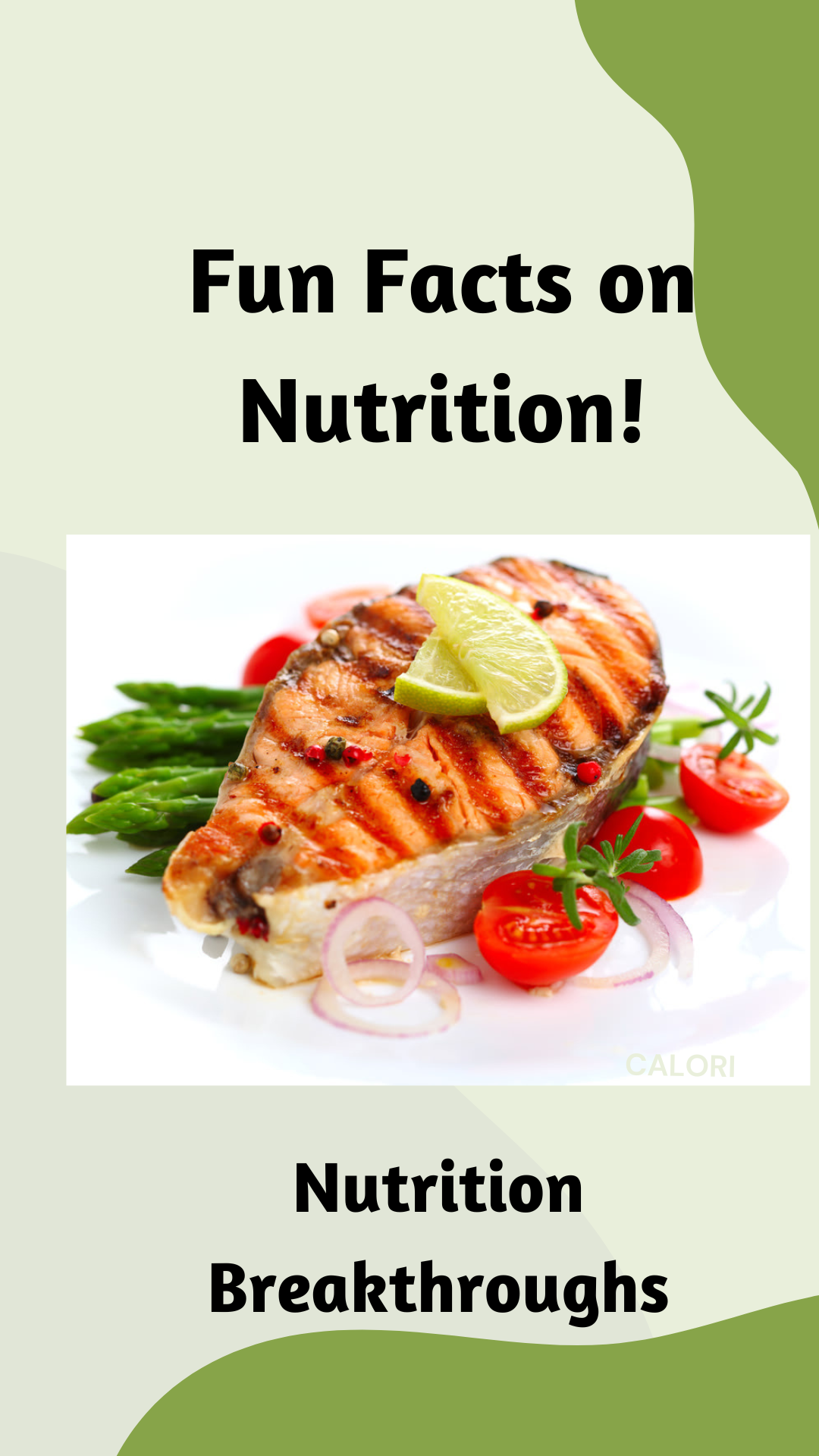
Fun Facts on Nutrition You’d Never Guess! – Issue #8

facts on nutritionHello! This eighth issue of “Fun Facts on Nutrition You’d Never Guess!” has some fascinating facts about the foods we eat.  Here we go!

  1. Chia Seeds Expand Up to 12 Times Their Weight

Chia seeds can absorb up to 12 times their weight in water, forming a gel-like substance. This property makes them excellent for healthy hydration and a great addition to smoothies and puddings.

The seeds are also rich in omega-3 fatty acids which strengthen immunity, and they also contain good amounts of fiber and protein.

To create an easy and creamy chia pudding, combine 4 tablespoons of chia seeds with one cup of your choice of milk (almond, coconut, or dairy) and 1 teaspoons of a sweetener (such as maple syrup or honey). Stir thoroughly, allow it to sit for 10–15 minutes, stir again, and then chill in the refrigerator for 4 hours or overnight.

Reference: Nieman, D. C. (2009). Influence of Chia Seed on the Immune System: Preliminary Results. Journal of Nutrition and Metabolism

  1. Why Do Apples Float? And Why Eat the Peels?

Ever wondered why apples float in water? It’s because they are composed of about 25% air. This makes them buoyant (staying afloat in water) and perfect for games like apple bobbing (which is grabbing floating apples with your teeth!). They’re also packed with fiber and vitamin C, making them a healthy snack.

Apple peels contain the most nutrients. Most of the apple’s fiber and vitamins are concentrated in the skin.  Granny Smith apples, due to their lower sugar and higher fiber content, may positively affect the gut health and also aid in weight control.

Reference: Boyer, J., & Liu, R. H. Apple phyto (plant) chemicals and their health benefits. Nutrition Journal

  1. Artichokes Are One of the Oldest Foods Known to Humans!

Artichokes have been consumed since ancient times and are believed to be one of the oldest foods known to humans. An artichoke is known as a “thistle plant.”  A thistle is a wild, spiny plant covered with sharp points that serve as protection against animals that may try to eat it. Although many thistles are labeled as weeds, certain varieties are edible and quite tasty—such as the globe artichoke.

Artichokes provide a wide range of health benefits, including promoting healthy liver function and detoxification, helping reduce cholesterol, balancing blood pressure, and improving digestive health.

Reference: Lattanzio, V. Globe artichoke: A functional food and source of nutraceutical ingredients. Journal of Functional Foods

  1. Green Peas Are a Source of Protein

Green peas are one of the few plant-based sources of protein, meaning they contain all nine essential amino acids that our bodies cannot produce on their own. They are also rich in vitamins A, C, K, and several B vitamins.

Peas support heart health, the immune system (high in vitamin C), bone health, and eye health (high in lutein).

Reference: FAO Complete Protein Profile of Legumes. Food and Agriculture Organization of the United Nations.

Fun and Health Go Hand-in-Hand

Isn’t nutrition interesting? From the ancient artichoke to the buoyant apple, these fun facts highlight the amazing world of food.  We will continue to bring you more surprising and inspiring nutritional facts to help you on your journey to healthy eating. Stay tuned!

About Nutrition Breakthroughs

This natural health news is shared by Nutrition Breakthroughs, maker of the original and effective calcium and magnesium based sleep aid Sleep Minerals II, and Joints and More, a natural supplement for joint relief, less aches and pains, stronger hair and nails, and more energy.

Fun Facts on Nutrition You’d Never Guess! – Issue #7

fun facts on nutritionHello, food lovers. It’s time for another exciting edition of “Fun Facts on Nutrition You’d Never Guess.”  Prepare to be delighted by some intriguing and entertaining facts about the foods we enjoy. Let’s get started!

1. Almonds Are Seeds, Not Nuts

Despite being commonly referred to as nuts, almonds are actually seeds of the fruit of the almond tree. They are packed with healthy fats, protein, fiber, and vitamin E, making them a nutritious snack. Almonds also contain magnesium and have also been proven to reduce overall hunger and not affect body weight when eaten.

Reference: A study published in the European Journal of Clinical Nutrition.

  1. Eggplants Are Technically Berries

Eggplants, also known as aubergines, are technically classified as berries. They belong to the nightshade family, along with tomatoes and potatoes. Eggplants are rich in fiber, vitamins, and antioxidants.  The main antioxidants for good health are vitamins E, A and C.  Foods with these nutrients can protect the body from unstable molecules that contribute to aging and disease.  So, enjoy some eggplant as a nutritious addition to your diet.

Reference: Raigón, M. D., (2008). Influence of organic and conventional cultivation methods on compounds and mineral content of eggplant fruits. Journal of Agricultural and Food Chemistry.

  1. Red Bell Peppers Have More Vitamin C Than Green Ones

Red bell peppers are simply ripened green peppers, and they contain significantly more vitamin C.  A single red bell pepper can provide up to three times the daily recommended intake of vitamin C (the recommended daily allowance of vitamin C is about 80 milligrams).  Red bell peppers can boost the immune system and enhance skin health, as vitamin C helps the body make collagen.

Reference: Marin, A. (2004). Profile of compounds in green and red peppers  grown in different types of soil. Journal of the Science of Food and Agriculture.

  1. Pine Nuts Come from Pine Cones

Pine nuts are the edible seeds of pine trees, and they are actually found inside pine cones. Extracting them is quite labor-intensive, which is why they can be pricey. These little seeds are packed with protein, healthy fats, and magnesium.

Reference: Evaristo, I. (2010). Pine nuts: A review of recent clinical research.

Fun and Health Go Hand-in-Hand

Isn’t nutrition fascinating? From the hidden pine nut to the berry-like eggplant, these fun facts on nutrition highlight the amazing world of food.  We will continue to bring you more of these surprising and inspiring facts to help you on your journey to healthier eating. Stay tuned and happy munching!

About Nutrition Breakthroughs

This natural health news is shared by Nutrition Breakthroughs, maker of the original and effective calcium and magnesium based sleep aid Sleep Minerals II, and Joints and More, a natural supplement for joint relief, less aches and pains, stronger hair and nails, and more energy.

Fun Facts on Nutrition You’d Never Guess! – Issue #6

fun facts on nutrition

Hello, and welcome back to another edition of “Fun Facts on Nutrition!”  Get ready to be amazed by some more fun and fascinating facts about the food we eat. Let’s get started..

1. Beetroot Juice Can Boost Athletic Performance

Beetroot juice, made from red beets, is a favorite among athletes for its ability to enhance performance.

It is rich in nitrates, which are natural compounds found in vegetables like spinach, leafy greens and beets.  

Your body converts dietary nitrates into a compound which can improve blood flow, reduce oxygen use, and increase overall endurance. Drink up and feel the beet!

Reference: Jones, A. M., & Vanhatalo, A. (2017). The Physiology of Nitrate Supplementation in Human Exercise and Sport. Annual Review of Nutrition, 37, 447-473.

2. Blueberries Can Improve Memory

Blueberries are often referred to as brain berries due to their memory-boosting properties. They are packed with antioxidants which can improve memory and cognitive function.

Antioxidants are natural substances in fruits and vegetables that may prevent or delay some types of cell damage and lower the risk of many diseases.  Antioxidants are also concentrated in dietary supplements like vitamin A, vitamin C, and vitamin E.

Snack on some blueberries soon for a good brain boost!

Reference: Krikorian, R., et al. (2010). Blueberry supplementation improves memory in older adults. Journal of Agricultural and Food Chemistry, 58(7), 3996-4000.

3. Pumpkin Seeds Are a Natural Mood Booster

Pumpkin seeds are rich in tryptophan, an amino acid that helps our bodies make serotonin, the “feel-good” neurotransmitter.  Neurotransmitters are chemical messengers that our body can’t function without.

Their job is to carry chemical signals from one neuron (nerve cell) to the next target cell. The next target cell can be another nerve cell, a muscle cell or a gland. Consuming pumpkin seeds boosts this action and can help improve our mood and promote a sense of well-being. Happy snacking!

Reference: Pumpkin seeds as nutraceutical and functional food ingredient for future: A review, Grain & Oil Science and Technology.

Fun and Health Go Hand-in-Hand

Isn’t nutrition fascinating? From athletic-boosting beetroots to mood-enhancing pumpkin seeds, these fun facts highlight the amazing world of food.  We’ will regularly bring you more of these surprising and inspiring nutritional facts to help you on your journey to the healthiest life.

About Nutrition Breakthroughs

This natural health news is shared by Nutrition Breakthroughs, maker of the original and effective calcium and magnesium based sleep aid Sleep Minerals II, and Joints and More, a natural supplement for joint relief, less aches and pains, stronger hair and nails, and more energy.

Hungry in the Night? Blood Sugar Dips Affect Sleep

blood sugar dipsSleep quality is influenced by more than just bedtime routines. One often overlooked factor is blood sugar fluctuations at night. Glucose is the body’s fuel for all of  its cells and it travels through the blood – so it has become known as “blood sugar.”

Your body naturally experiences a drop in glucose during the early sleep period, and sometimes in the middle of the night.  For some people, especially those sensitive to blood sugar changes, this dip can trigger waking, restlessness, or lighter sleep stages.

When blood sugar drops too low, the body can release stress hormones, such as adrenaline and cortisol, to stabilize glucose levels. These hormones can disrupt sleep and make it harder to achieve deep, restorative rest.

Over time, repeated nighttime awakenings due to blood sugar dips can lead to chronic fatigue, irritability, and even increased risk for metabolic disorders.

How to support stable blood sugar overnight:

  1. Evening snacks: A small snack combining protein and complex carbohydrates, like a slice of whole-grain toast with almond butter or Greek yogurt with berries, helps maintain steadier blood sugar levels.
  2. Meal timing: Eating dinner at consistent times each evening helps the body anticipate blood sugar patterns and reduces sudden dips.
  3. Minerals for balance: Magnesium and zinc help regulate glucose metabolism and insulin function, which in turn supports stable nighttime blood sugar.
  4. Limit sugar at night: High-sugar desserts late in the evening can trigger spikes and crashes, causing more wakefulness.

Other lifestyle factors also play a role. Getting outside for light exposure, regular activity during the day, and stress management help keep your body’s internal clock aligned, making your blood sugar patterns more predictable and sleep more restorative.

References:

  • Magnesium and sleep: Nutrients Journal, 2012
  • Zinc and glucose metabolism: Journal of Trace Elements in Medicine and Biology, 2014

FAQ:

Q1: Are snacks always necessary before bed?
A2: Only if your blood sugar tends to dip or if your dinner was early. Choose balanced, nutrient-rich options.

Q2: Can supplements help?
A3: Magnesium or zinc supplements may help maintain steady blood sugar and support deeper sleep.

This natural health news is provided by Nutrition Breakthroughs, a publisher of nutrition articles and supplier of effective natural remedies since 2002. Nutrition Breakthroughs makes Sleep Minerals II, the original drug-free mineral formula for better sleep with calcium, magnesium, zinc and vitamin D.

⭐ ⭐ ⭐ ⭐ ⭐ Julianne H. of Canada says: “I continue to tell my friends about how Sleep Minerals II has changed my life. I am fully retired now but still remember driving to work and wondering if I would make it there due to sleep deprivation.”

“And the debilitating leg cramps that used to occur every night have now become history. My legs were sore even into the next day. It’s great to be sleeping so much better, no more sore legs, and my calcium levels are being kept constant.”

Macular Degeneration of the Eyes: Science Shows Natural Remedies

macular degenerationWhat is Macular Degeneration?

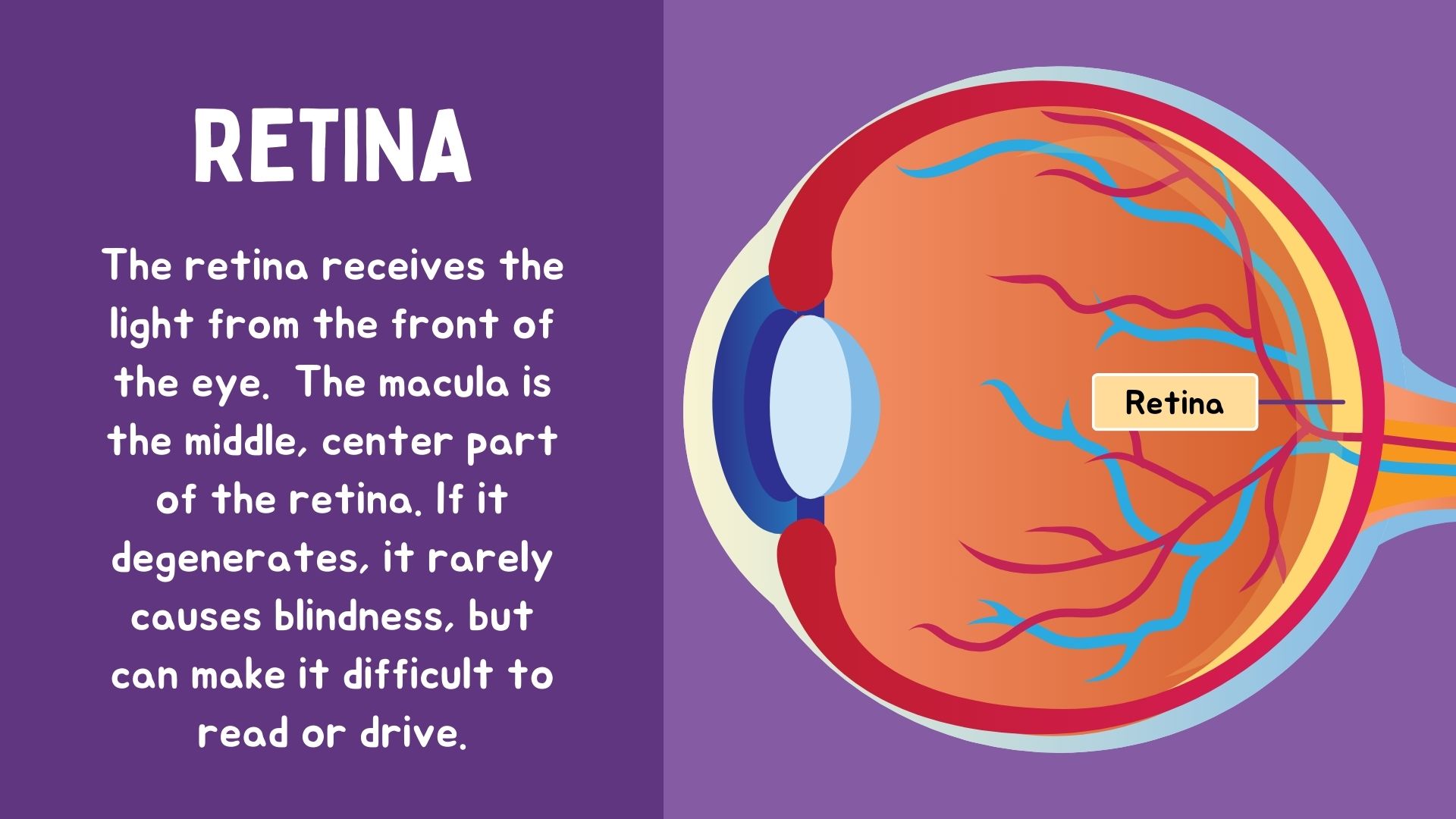
Macular degeneration is a common eye condition, especially among people over the age of 50, that can lead to blurry vision, difficulty reading or driving, and recognizing people or the details of things..

The macula is the middle, center part of the retina. The retina is the nerve tissue at the back of the eye that is sensitive to light and that receives and sends images to the brain.

The good news is that there are some natural remedies that can help slow its progression and even support healing.  By making small but impactful changes to your diet, supplements, lifestyle, and daily habits, you can protect your eyes and improve your vision.

Proven Natural Remedies

  1. Antioxidants: Antioxidants are natural substances that can prevent or delay certain types of cell damage that comes from oxygen interactions. These are nutrients like vitamins C, E and A that help fight oxidative stress, which is a key factor in macular degeneration. Studies show that vitamin C (found in citrus fruits and colored bell peppers) and vitamin E (from nuts and seeds) can slow the progression of the disease (Archives of Ophthalmology, 2001). Antioxidants work by protecting retinal cells from damage, helping maintain healthy vision for longer.
  2. Lutein and Zeaxanthin: Found in leafy greens like spinach, kale, other leafy greens, carrots, eggs, broccoli and peas. These are known as carotenoids, pigments in plants which produce the bright yellow, red, and orange colors in vegetables. These pigments are known to accumulate in the macula and protect against harmful light rays. According to research, individuals who consume high levels of lutein and zeaxanthin can reduce their risk of advanced macular degeneration by up to 25% (The American Journal of Clinical Nutrition, 2013).
  3. Omega-3 Fatty Acids: Omega-3s, especially from fish oil, salmon and sardines, are essential for eye health. Studies suggest that these healthy fats reduce inflammation and may lower the risk of macular degeneration (Investigative Ophthalmology & Visual Science, 2011).Another study was done with people over the age of 49.  Of the 3,000 participants, those who ate more fish were less likely to have macular degeneration.  Another source reported that eating fish once a week can cut the risk of having it in half.
    4. Zinc: This mineral, found in foods like oysters, fish, meat, pumpkin seeds and nuts, plays an important role in transporting vitamin A from the liver to the retina, aiding in increased protection for the eyes. A study published in a Journal of Ophthalmology (the study of eye disorders) found that a supplement with zinc, vitamin C, vitamin E and beta-carotene reduced the risk of macular degeneration and also slowed down its progression.

Healing Foods for Macular Degeneration

Carrots: Are rich in beta-carotene, which the body converts into vitamin A.  Carrots support retinal health and vision.

Sweet Potatoes: Another excellent source of beta-carotene, providing necessary nutrients to protect against macular degeneration.

Blueberries: Packed with antioxidants and vitamins C and K, blueberries help fight oxidative stress in the eyes. A cousin of blueberries called bilberry has also shown benefits for eye health.

Eye Exercises and Lifestyle Actions

Eye Exercises: This includes looking away from close-up work or computer work at regular intervals and focusing on a distant object, and practicing “palming” (gently covering the eyes with your palms to relax them).  These can help reduce eye strain and improve overall eye health.

Lifestyle Tips: Quitting smoking, wearing sunglasses to protect from the sun’s rays, eating leafy greens, orange-colored vegetables and blueberries, and managing chronic conditions like hypertension and diabetes, are essential in reducing the risk of macular degeneration.

By incorporating these natural remedies and lifestyle habits, you can effectively prevent or manage macular degeneration and protect your vision for the future.

This natural health news is shared by Nutrition Breakthroughs, maker of the original and effective calcium and magnesium based sleep aid Sleep Minerals II (also containing vitamin D and zinc).

***** Chris M. of the United Kingdom says: “I take one softgel of Sleep Minerals II before bed every night and within 20 minutes I am asleep. The difference in the quality of my sleep and the ease with which I get to sleep using this product is monumental. I have stopped obsessing about sleep or dreading bedtime – I just take a softgel and drift off. If I stop taking them, within a week my sleep starts to lighten in quality, the amount of my sleep diminishes, and my old insomniac patterns reappear.”

Indoor Air Quality: Ways to Improve it for Good Health

air quality

In today’s fast-paced world, indoor air quality and the quality of the outdoor air, play a key role in our overall health.

The State of Tennessee Health Department says: “Breathing clean air can lessen the possibility of disease from stroke, heart disease, and lung cancer, as well as chronic and acute respiratory illnesses such as asthma.”

Studies have shown that breathing clean, healthy air can significantly boost mental clarity, improve sleep quality, and strengthen the immune system.

Whether you are inside your home or taking a break in nature, making mindful choices regarding air quality can make a dramatic impact on your well-being.

Indoor air is often more polluted than outdoor air, and exposure to harmful contaminants, allergens, and volatile organic compounds (VOCs) can compromise respiratory health. VOCs are found in paint, building materials, solvents, carpets, chemicals and more.

Air purifiers are one solution that can remove up to 99.97% of airborne particles, including dust, pollen, and mold spores, providing immediate relief for allergy sufferers (American Lung Association, 2021).

Installing high-quality air conditioning systems with HEPA filters can also help regulate temperature and humidity, reducing the risk of mold growth and ensuring that the air inside your home remains clean and fresh.

Sleeping in clean air is essential for restoring the body. Research shows that people who sleep in environments with cleaner air experience fewer disturbances and wake up more refreshed (Environmental Health Perspectives, 2020).

Keeping bedroom windows open for a short period each day or using air purifiers while sleeping helps reduce carbon dioxide levels, allowing the body to oxygenate more efficiently.

Outdoor activities also play a critical role in promoting lung health and reducing stress. Spending time outside in natural sunlight provides the body with vitamin D, which has been linked to improved immune function and mood regulation (The Journal of Clinical Endocrinology & Metabolism, 2019).

Grounding, or walking barefoot on the grass, has been shown to reduce inflammation, improve sleep, and balance the body’s natural rhythms by reconnecting with the earth’s electrons (Journal of Environmental and Public Health, 2012).

According to the Journal of the Academy of Nutrition and Dietetics, “The possibility exists that magnesium deficiency contributes to pulmonary (lung) complications. During the past few years, there has been an increase in calcium consumption in the US population but little change in magnesium intake, which has caused an imbalance in the calcium: magnesium ratio.”

By combining good indoor air quality practices with time spent in nature and adequate intake of magnesium, you can promote a holistic approach to health and well-being. Taking steps to improve the air you breathe will help reduce respiratory issues, improve mental clarity, and support a strong immune system.

This natural health news is shared by Nutrition Breakthroughs, maker of the original and effective calcium and magnesium based sleep aid Sleep Minerals II, and Joints and More, a natural supplement for joint support, less aches and pains, stronger hair and nails, and more energy.

New Studies Discover Natural Remedies for Chronic Health Problems

health problemsRecent discoveries in the fields of natural remedies and nutrition have uncovered promising breakthroughs in the treatment of chronic health problems such as insomnia, arthritis, and anxiety.

These groundbreaking studies highlight the benefits of specific natural remedies that can improve health outcomes without the possible side effects and addiction of medical drugs.

A study published in the “Journal of Sleep Research” (2023) has revealed that calcium, magnesium, and zinc significantly improve sleep quality in individuals suffering from insomnia. These essential minerals are found in various natural foods, including leafy greens, nuts, seeds, and fruits like cherries and bananas.

Participants in the study who supplemented their diet with magnesium and zinc reported better sleep quality, falling asleep faster, and waking up less frequently throughout the night. Sleep specialists recommend magnesium as a key element for enhancing melatonin, a hormone made in the brain that is essential for good sleep..

The benefits of omega-3 fatty acids, widely known for their anti-inflammatory properties, have been further reconfirmed by a “Nutrition Research Reviews” (2023) publication. The study demonstrated that omega-3-rich foods like fatty fish, flaxseeds, and walnuts can significantly reduce joint pain and stiffness in individuals with arthritis.

Another recent study, which focused on the mineral MSM, was published in the journal “Osteoarthritis Cartilage.” The results showed that compared to placebo, MSM produced significant decreases in knee pain and significant improvement in physical function.  The use of MSM also resulted in better performance of the activities of daily living, as well as reduction in stress and better cardiovascular health.

With arthritis affecting millions of people globally, natural remedies offer an effective alternative to non-steroidal anti-inflammatory drugs (NSAIDs), which are often associated with harmful side effects such as gastrointestinal issues and cardiovascular risks.  Joints and More from Nutrition Breakthroughs is a popular example of a supplement containing pure MSM.

***** R. Boulos of Houston, TX. says: “I’ve been taking the Joints and More supplement and it’s helping a great deal. After taking it twice a day, I notice that when I wake up in the morning the pain I was having in my front and back shoulders is almost gone.”

In the realm of herbal remedies, a recent discovery is the potential of the herb ashwagandha to alleviate stress and anxiety and improve mood stability. Published in “Phytotherapy Research” (2024), the study showed that participants who took ashwagandha supplements over 8 weeks had a notable reduction in cortisol levels, a hormone made in the adrenal glands that is responsible for stress.

Insomnia is a widespread issue, with 30% of the people in the U.S. having sleeping problems (per the National Council on Aging). With the recent discovery that calcium, magnesium, and zinc can significantly improve sleep quality and quantity, these minerals are becoming more popular as ingredients in natural sleep aids.  One example is Sleep Minerals II from Nutrition Breakthroughs, widely known as the original calcium and magnesium based sleep aid.

***** Doctor P. P. of Houston, Texas says: “I had developed sleeping problems and took two different sleeping medications over the course of several weeks. When I discontinued them the insomnia came back even worse. I literally got about 20 hours of sleep in 6 weeks time. Sleep Minerals II was just what I needed. I’ve been taking it for a couple weeks and getting many hours of sleep a night. As a doctor I would definitely avoid prescribing sleeping drugs — I would recommend Sleep Minerals II.”

As the demand for natural remedies continues to rise, these new discoveries offer hope for individuals who seek alternative solutions for managing chronic health problems.

For more info, visit the Sleep Minerals II page and the Joints and More page.

New Vibrant Labels for Sleep Minerals II, Joints and More

sleep minerals IINutrition Breakthroughs,
a leader in natural healthJoints and More supplements, is pleased to announce the creation of new vibrant colors and bright, descriptive design effects for the labels of its best-selling products, Sleep Minerals II and Joints and More.

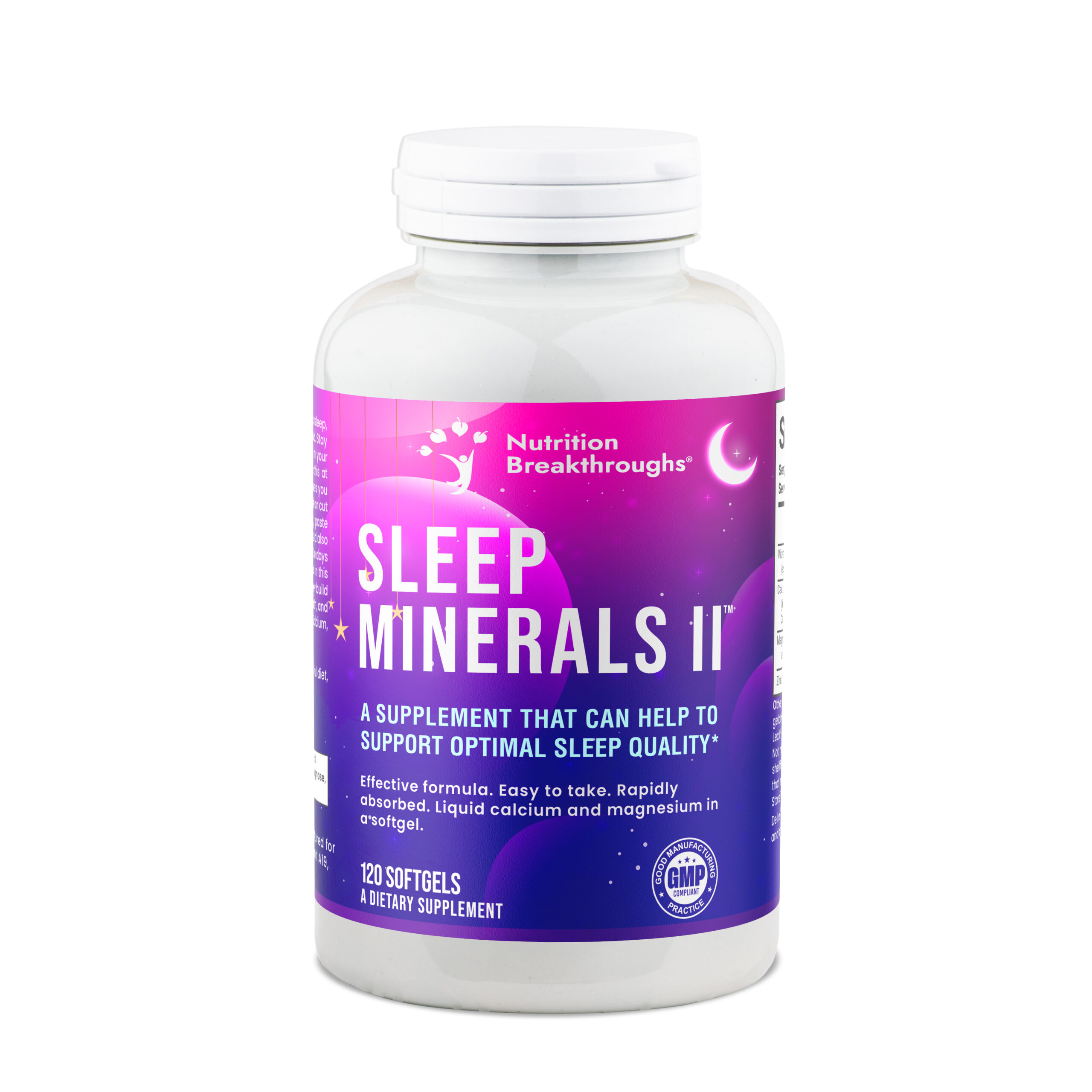
The new Sleep Minerals II label has a relaxing night-time theme with moon shapes, stars, and a deep purple sky blended with blue and magenta shades.

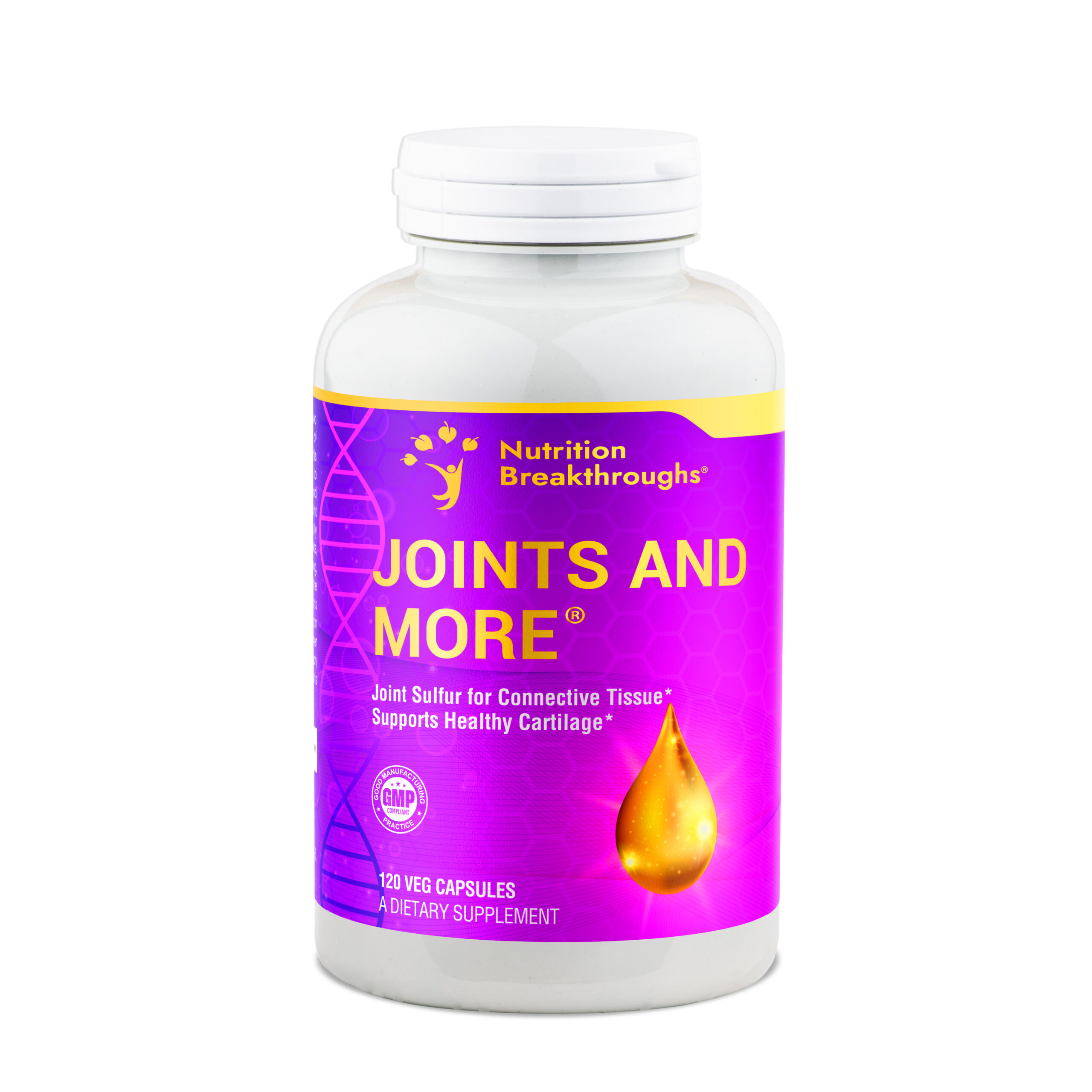
The new Joints and More label is purple, gold and magenta, with a large golden drop of light on the front that represents the freer movement, joint relief, and increased energy provided by the product.

Sleep Minerals II

Sleep Minerals II is the original and effective calcium and magnesium-based sleep aid, designed to provide relief for those suffering from insomnia and sleeplessness. With its proprietary combination of absorbable calcium, magnesium, vitamin D and zinc, it helps people fall asleep faster, stay asleep longer, get back to sleep easier in the night, and wake up refreshed without grogginess.

Delivered in a unique softgel form, Sleep Minerals II ensures rapid and easy absorption, offering a distinct advantage over traditional tablets, capsules or gummies, which take longer to break d own and digest.

Joints and More

Joints and More is a natural supplement containing MSM (methylsulfonylmethane), a powerful ingredient proven effective for joint relief and reducing aches, stiffness and discomfort.  Additionally, it enhances collagen in the body and supports stronger hair and nails.

It is also known to help relieve allergies and boost energy levels, making it an all-in-one solution for those seeking comprehensive health benefits.

Customer Reviews

Sleep Minerals II

Tammy M. of Meridian, Idaho says: “I was plagued with insomnia for five years and desperate for a breakthrough. Nothing has helped me more than Sleep Minerals — I’m so sold on them I could go door to door promoting them. I’m 60 years old and have never slept so soundly.”

Richard P. of Parkville, Maryland says: “The Sleep Minerals are making quite a difference. I was regularly waking up at around 3:00 a.m. and after a few days use my sleep improved quite a lot. I wake up once a night to go to the bathroom, but the great thing is, I then fall back asleep and sleep several more hours. This has been a great improvement.”

Joints and More

R. Boulos of Houston, TX. says: “I’ve been taking the Joints and More supplement and it’s helping a great deal. After taking it twice a day, I notice that when I wake up in the morning the pain I was having in my front and back shoulders is almost gone.”

C. Drozdowski says: “After about a month of starting to take Joints and More my hair began growing like crazy. I figured if my hair was growing that fast, then maybe my nails would also. So I took my fake nails off and for the first time in my entire nail-biting life I have my own nails! They are getting stronger with each passing week.”

Scientific Support

Research supports the effectiveness of the ingredients in Sleep Minerals II and Joints and More:

Sleep Minerals II

– A study published in the Journal of Research in Medical Sciences found that magnesium supplementation improved sleep quality and reduced insomnia symptoms.

– Research in the Journal of the American Geriatrics Society highlighted that zinc, in combination with magnesium and calcium, can enhance sleep quality in older adults.

Joints and More

– A study titled “Efficacy of MSM in osteoarthritis pain of the knee” demonstrated that MSM supplementation significantly reduced joint pain and improved physical function in individuals with osteoarthritis.

– Research published in Biomolecules indicates that MSM may enhance hair and nail health by supporting keratin and collagen production.

About Nutrition Breakthroughs

Since 2002 Nutrition Breakthroughs has provided products that effectively work and deliver results, helping people avoid the side effects and addiction associated with drugs and medications. They are also known for providing science-based health articles that are designed to clarify and simplify the subjects of good nutrition and natural health.

Nutrition Breakthroughs products are safe and made in compliance with Good Manufacturing Practices (GMP). They have an “A” rating for this by the National Products Association (NPA). The manufacturer also meets the FDA’s cGMP program, which refers to the Current Good Manufacturing Practice regulations enforced by the FDA.

For more information about Sleep Minerals II visit this page.

For more details on Joins and More visit this page.

Fun Facts on Nutrition You’d Never Guess – Issue #3

facts on nutrition Welcome to another round of “Fun Facts on Nutrition You’d Never Guess!”

Did you know that …

1. Mushrooms Are the Only Non-Animal Source of Vitamin D

Mushrooms are unique in the plant kingdom for their ability to produce vitamin D when exposed to sunlight. This makes them a fantastic dietary source of this essential nutrient, which is crucial for bone health and immune function. Let your mushrooms sunbathe before eating them for a greater vitamin boost.

Reference: Koyyalamudi, S. R., et al. (2009). Vitamin D2 formation and bioavailability from Agaricus bisporus button mushrooms treated with ultraviolet irradiation. Journal of Agricultural and Food Chemistry, 57(8), 3351-3355.

2. Cucumbers Are 96% Water, Detox the Body, and Heal the Skin

Cucumbers are one of the most hydrating foods you can eat, with a whopping 96% water content. This makes them perfect for keeping you refreshed and hydrated, especially in warm weather.  Cucumber helps cleanse the body by eliminating built-up waste and toxins. The fresh fruit juice nourishes the skin, providing a calming effect for skin irritations and reducing swelling. Plus, they are low in calories and high in vitamins K and C, making them a nutritious snack.

Reference: Sun, J., et al. (2013). Nutritional and phytochemical properties of cucumber (Cucumis sativus L.). Current Topics in Nutraceutical Research, 11(1), 25-32.

3. Garlic Was Used as a Multipurpose Medicine in Ancient Times

Garlic has been used for its medicinal properties for thousands of years. In earlier days, when antibiotics and other drugs weren’t in existence, the garlic clove stood in the place of the pharmaceutical industry for its large rainbow of potent health benefits. Modern science supports many of these uses. Garlic is known for its immune-boosting properties and its ability to lower blood pressure and cholesterol levels.  It also can prevent the common cold and arthritis.

Reference: Rivlin, R. S. (2001). Historical perspective on the use of garlic. Journal of Nutrition, 131(3), 951S-954S.

Fun and Health Go Hand-in-Hand

Isn’t nutrition fascinating? From hydrating, healing cucumbers to garlic being our first medicine, these fun facts highlight the amazing world of food. Stay tuned for the next issue and have a happy and healthy week!

This natural health news is shared by Nutrition Breakthroughs, maker of the original and effective calcium and magnesium based sleep aid Sleep Minerals II, and Joints and More, a natural supplement for joint relief, less aches and pains, stronger hair and nails, and more energy.
Fun Facts on Nutrition You’d Never Guess! – #2

fun facts on nutritionWelcome back to another edition of our “Fun Facts on Nutrition!” Get ready to be intrigued by some fascinating and little-known facts about food. Here’s to your enjoyment of a fun and nutritious day.

  1. Potatoes Were the First Food Grown in Space

In 1995, NASA and the University of Wisconsin collaborated to grow potatoes in space aboard the space shuttle Columbia. This experiment was part of a larger effort to develop sustainable food sources for long-term space missions. Talk about out-of-this-world nutrition.

Reference: Wheeler, R. M. (2010). Plants for human life support in space: From Myers to Mars. Gravitational and Space Biology Bulletin, 23(2), 25-35.

2. Bell Peppers Have More Vitamin C Than Oranges

While oranges are famous for their vitamin C content, bell peppers actually contain even more. A single cup of chopped red bell pepper provides nearly three times the vitamin C of an orange. Plus, they’re low in calories and rich in health-giving plant chemicals known as antioxidants, making them a perfect snack.

Reference: Howard, L. R., et al. (2000). Antioxidant activity and fruit quality changes in bell pepper. Journal of Agricultural and Food Chemistry, 48(4), 1713-1720.

3. Avocados Are Actually Berries and Have Many Benefits

Surprise. Avocados are technically berries. They contain one large seed, fitting the botanical definition of a berry. Avocados are also nutritional powerhouses, full of healthy fats, fiber, potassium, and vitamins C, E, and K.

In addition, there are many studies showing the benefits of avocado for heart health, as well as for weight management and anti-aging effects.

Reference: Dreher, M. L., & Davenport, A. J. (2013). Hass avocado composition and potential health effects. Critical Reviews in Food Science and Nutrition, 53(7), 738-750.

Fun and Health Go Hand-in-Hand

Isn’t nutrition interesting? These fun facts on nutrition highlight the amazing world of food. We’ll regularly bring you inspiring nutritional facts for your excellent health.

This health news is shared by Nutrition Breakthroughs, maker of the original calcium and magnesium based sleep aid Sleep Minerals II, and Joints and More, a natural supplement for joint relief, less aches and pains, stronger hair and nails, and more energy.