Fun Facts on Nutrition You’d Never Guess! – Issue #8

facts on nutritionHello! This eighth issue of “Fun Facts on Nutrition You’d Never Guess!” has some fascinating facts about the foods we eat.  Here we go!

  1. Chia Seeds Expand Up to 12 Times Their Weight

Chia seeds can absorb up to 12 times their weight in water, forming a gel-like substance. This property makes them excellent for healthy hydration and a great addition to smoothies and puddings.

The seeds are also rich in omega-3 fatty acids which strengthen immunity, and they also contain good amounts of fiber and protein.

To create an easy and creamy chia pudding, combine 4 tablespoons of chia seeds with one cup of your choice of milk (almond, coconut, or dairy) and 1 teaspoons of a sweetener (such as maple syrup or honey). Stir thoroughly, allow it to sit for 10–15 minutes, stir again, and then chill in the refrigerator for 4 hours or overnight.

Reference: Nieman, D. C. (2009). Influence of Chia Seed on the Immune System: Preliminary Results. Journal of Nutrition and Metabolism

  1. Why Do Apples Float? And Why Eat the Peels?

Ever wondered why apples float in water? It’s because they are composed of about 25% air. This makes them buoyant (staying afloat in water) and perfect for games like apple bobbing (which is grabbing floating apples with your teeth!). They’re also packed with fiber and vitamin C, making them a healthy snack.

Apple peels contain the most nutrients. Most of the apple’s fiber and vitamins are concentrated in the skin.  Granny Smith apples, due to their lower sugar and higher fiber content, may positively affect the gut health and also aid in weight control.

Reference: Boyer, J., & Liu, R. H. Apple phyto (plant) chemicals and their health benefits. Nutrition Journal

  1. Artichokes Are One of the Oldest Foods Known to Humans!

Artichokes have been consumed since ancient times and are believed to be one of the oldest foods known to humans. An artichoke is known as a “thistle plant.”  A thistle is a wild, spiny plant covered with sharp points that serve as protection against animals that may try to eat it. Although many thistles are labeled as weeds, certain varieties are edible and quite tasty—such as the globe artichoke.

Artichokes provide a wide range of health benefits, including promoting healthy liver function and detoxification, helping reduce cholesterol, balancing blood pressure, and improving digestive health.

Reference: Lattanzio, V. Globe artichoke: A functional food and source of nutraceutical ingredients. Journal of Functional Foods

  1. Green Peas Are a Source of Protein

Green peas are one of the few plant-based sources of protein, meaning they contain all nine essential amino acids that our bodies cannot produce on their own. They are also rich in vitamins A, C, K, and several B vitamins.

Peas support heart health, the immune system (high in vitamin C), bone health, and eye health (high in lutein).

Reference: FAO Complete Protein Profile of Legumes. Food and Agriculture Organization of the United Nations.

Fun and Health Go Hand-in-Hand

Isn’t nutrition interesting? From the ancient artichoke to the buoyant apple, these fun facts highlight the amazing world of food.  We will continue to bring you more surprising and inspiring nutritional facts to help you on your journey to healthy eating. Stay tuned!

About Nutrition Breakthroughs

This natural health news is shared by Nutrition Breakthroughs, maker of the original and effective calcium and magnesium based sleep aid Sleep Minerals II, and Joints and More, a natural supplement for joint relief, less aches and pains, stronger hair and nails, and more energy.

Fun Facts on Nutrition You’d Never Guess! – Issue #7

fun facts on nutritionHello, food lovers. It’s time for another exciting edition of “Fun Facts on Nutrition You’d Never Guess.”  Prepare to be delighted by some intriguing and entertaining facts about the foods we enjoy. Let’s get started!

1. Almonds Are Seeds, Not Nuts

Despite being commonly referred to as nuts, almonds are actually seeds of the fruit of the almond tree. They are packed with healthy fats, protein, fiber, and vitamin E, making them a nutritious snack. Almonds also contain magnesium and have also been proven to reduce overall hunger and not affect body weight when eaten.

Reference: A study published in the European Journal of Clinical Nutrition.

  1. Eggplants Are Technically Berries

Eggplants, also known as aubergines, are technically classified as berries. They belong to the nightshade family, along with tomatoes and potatoes. Eggplants are rich in fiber, vitamins, and antioxidants.  The main antioxidants for good health are vitamins E, A and C.  Foods with these nutrients can protect the body from unstable molecules that contribute to aging and disease.  So, enjoy some eggplant as a nutritious addition to your diet.

Reference: Raigón, M. D., (2008). Influence of organic and conventional cultivation methods on compounds and mineral content of eggplant fruits. Journal of Agricultural and Food Chemistry.

  1. Red Bell Peppers Have More Vitamin C Than Green Ones

Red bell peppers are simply ripened green peppers, and they contain significantly more vitamin C.  A single red bell pepper can provide up to three times the daily recommended intake of vitamin C (the recommended daily allowance of vitamin C is about 80 milligrams).  Red bell peppers can boost the immune system and enhance skin health, as vitamin C helps the body make collagen.

Reference: Marin, A. (2004). Profile of compounds in green and red peppers  grown in different types of soil. Journal of the Science of Food and Agriculture.

  1. Pine Nuts Come from Pine Cones

Pine nuts are the edible seeds of pine trees, and they are actually found inside pine cones. Extracting them is quite labor-intensive, which is why they can be pricey. These little seeds are packed with protein, healthy fats, and magnesium.

Reference: Evaristo, I. (2010). Pine nuts: A review of recent clinical research.

Fun and Health Go Hand-in-Hand

Isn’t nutrition fascinating? From the hidden pine nut to the berry-like eggplant, these fun facts on nutrition highlight the amazing world of food.  We will continue to bring you more of these surprising and inspiring facts to help you on your journey to healthier eating. Stay tuned and happy munching!

About Nutrition Breakthroughs

This natural health news is shared by Nutrition Breakthroughs, maker of the original and effective calcium and magnesium based sleep aid Sleep Minerals II, and Joints and More, a natural supplement for joint relief, less aches and pains, stronger hair and nails, and more energy.
Fun Facts on Nutrition You’d Never Guess! – Issue #6

fun facts on nutrition

Hello, and welcome back to another edition of “Fun Facts on Nutrition!”  Get ready to be amazed by some more fun and fascinating facts about the food we eat. Let’s get started..

1. Beetroot Juice Can Boost Athletic Performance

Beetroot juice, made from red beets, is a favorite among athletes for its ability to enhance performance.

It is rich in nitrates, which are natural compounds found in vegetables like spinach, leafy greens and beets.  

Your body converts dietary nitrates into a compound which can improve blood flow, reduce oxygen use, and increase overall endurance. Drink up and feel the beet!

Reference: Jones, A. M., & Vanhatalo, A. (2017). The Physiology of Nitrate Supplementation in Human Exercise and Sport. Annual Review of Nutrition, 37, 447-473.

2. Blueberries Can Improve Memory

Blueberries are often referred to as brain berries due to their memory-boosting properties. They are packed with antioxidants which can improve memory and cognitive function.

Antioxidants are natural substances in fruits and vegetables that may prevent or delay some types of cell damage and lower the risk of many diseases.  Antioxidants are also concentrated in dietary supplements like vitamin A, vitamin C, and vitamin E.

Snack on some blueberries soon for a good brain boost!

Reference: Krikorian, R., et al. (2010). Blueberry supplementation improves memory in older adults. Journal of Agricultural and Food Chemistry, 58(7), 3996-4000.

3. Pumpkin Seeds Are a Natural Mood Booster

Pumpkin seeds are rich in tryptophan, an amino acid that helps our bodies make serotonin, the “feel-good” neurotransmitter.  Neurotransmitters are chemical messengers that our body can’t function without.

Their job is to carry chemical signals from one neuron (nerve cell) to the next target cell. The next target cell can be another nerve cell, a muscle cell or a gland. Consuming pumpkin seeds boosts this action and can help improve our mood and promote a sense of well-being. Happy snacking!

Reference: Pumpkin seeds as nutraceutical and functional food ingredient for future: A review, Grain & Oil Science and Technology.

Fun and Health Go Hand-in-Hand

Isn’t nutrition fascinating? From athletic-boosting beetroots to mood-enhancing pumpkin seeds, these fun facts highlight the amazing world of food.  We’ will regularly bring you more of these surprising and inspiring nutritional facts to help you on your journey to the healthiest life.

About Nutrition Breakthroughs

This natural health news is shared by Nutrition Breakthroughs, maker of the original and effective calcium and magnesium based sleep aid Sleep Minerals II, and Joints and More, a natural supplement for joint relief, less aches and pains, stronger hair and nails, and more energy.

A Calming Bedtime Routine for Better Sleep

bedtime routineIf you’ve ever gone to bed tired but found yourself tossing and turning no matter how exhausted you feel, you’re not alone.

Often, the problem isn’t just the day’s stress but also how we transition from the busy hours into bedtime.

A calming routine acts like a signal to your body that it’s time to relax, let go, and prepare for rest. A “Bridge” if you will, between a hectic day and a peaceful night.  Here’s a simple, enjoyable evening ritual you can try tonight.

Step 1: Set an Evening Reminder

Sometimes we get caught up in tasks and don’t realize how late it’s gotten. Try setting an alarm about an hour before bed. When it goes off, treat it as your cue to start winding down. This way, bedtime becomes a gentle routine instead of a rushed afterthought.

Step 2: Take a Warm Bath or Shower

A warm bath is more than just relaxing. When you step out of the warm water, your body temperature drops slightly, which naturally signals that it’s time to sleep. You can try adding calming touches like Epsom salts (rich in magnesium) or a few drops of lavender oil (if essential oils agree with you), to make it extra soothing.

Step 3: Do Gentle Stretches

Gentle stretching releases tight muscles and helps calm your nervous system. A few simple moves, like rolling your shoulders, stretching your arms overhead, or bending forward to loosen your back, can make a big difference.  A seated twist from side to side can also loosen the back muscles for even deeper relaxation.

Step 4: Read a Book (the Old-Fashioned Kind)

Put away your phone or tablet, since the blue light they give off can make it harder to fall asleep. Instead, pick up a physical book or magazine. Choose something lighthearted or inspiring rather than suspenseful. Within minutes, you’ll feel more relaxed.

Step 5: Listen to Calming Music

Soft, slow-paced music can reduce your heart rate and ease anxiety. Classical, acoustic, or nature sounds like ocean waves or rainfall are all excellent options. Keep the volume low so the music feels more like a background comfort than a performance.

Step 6: Write a To-Do List for Tomorrow

If your brain races at night with thoughts of what needs to get done, this step can be a lifesaver. Jotting down tomorrow’s tasks frees your mind from having to hold onto them. You’ll feel lighter knowing that everything is captured on paper and ready for you the next day.

Step 7: Take Calming Minerals Before Bed

Magnesium and calcium are two minerals that play a key role in relaxation and sleep. Magnesium helps muscles release tension and calms the nervous system, while calcium supports the brain’s ability to use amino acids that promote deeper rest. Taking them in the evening, with a light snack if needed, can set the stage for a smoother night.

Step 8: Dim the Lights and Unplug

Finally, lower the lights around your home to mimic the natural setting of the sun. Bright light tricks the brain into thinking it’s still daytime. By dimming lights, turning off electronics, and letting your environment match your routine, you’re giving your body the strongest signal of all: it’s time for sleep.

Summing it Up

A calming bedtime routine doesn’t need to be complicated. With simple steps like stretching, reading, writing a to-do list, and taking calming minerals, you can create a nightly ritual that tells your body it’s safe to rest. With practice, your evenings will become more peaceful — and your nights more refreshing.

Sleep Minerals II

This natural health news is provided by Nutrition Breakthroughs, a publisher of nutrition articles and supplier of effective natural remedies since 2002. Nutrition Breakthroughs makes Sleep Minerals II, the effective natural sleep aid with calcium, magnesium, zinc and vitamin D

⭐⭐⭐⭐⭐ L.R.C. of Massachusetts says: “I had become dependent on sleeping drugs and couldn’t sleep without them. Now I take the Sleep Minerals II before bed and I can sleep through the whole night without drugs. I’m also able to easily fall back to sleep if I do have to get up. Another benefit is this helps alleviate my chronic fatigue and aches and pains.”

Vitamin D Basics 101: How the Sunshine Nutrient Supports Your Health

sunshine vitamin

Vitamin D isn’t just another nutrient — it’s a powerful hormone your body makes when sunlight hits your skin. That’s why it’s often called the “sunshine vitamin.”

But here’s the challenge: Many people don’t get enough sunlight or vitamin D-rich foods, which makes deficiency very common. Studies suggest over 40% of Americans have low levels. (Forrest & Stuhldreher, 2011).


Why Vitamin D Is So Important

Vitamin D does more than support bone strength. It acts like a hormone, influencing multiple systems in the body.

  • Bone and Muscle Health: Vitamin D helps the body absorb calcium and phosphorus, two minerals essential for bone strength and muscle function. A lack of vitamin D increases the risk of osteoporosis and fractures, especially in older adults [(Holick, 2007, New England Journal of Medicine)].

  • Immune Function: Adequate vitamin D levels support the immune system, reducing the risk of respiratory infections and autoimmune conditions

  • Mood and Brain Health: Research links vitamin D deficiency with a higher risk of depression and cognitive decline.

  • Sleep Support:: Vitamin D is proven to provide better sleep quality (“The world epidemic of sleep disorders is linked to vitamin D deficiency” – Gominak & Stumpf, 2012).


Common Sources of Vitamin D

Since few foods naturally contain vitamin D, sunlight and supplementation often play the biggest role in maintaining healthy levels.

  • Sunlight: The body can produce vitamin D after 10–30 minutes of midday sun exposure on the skin, depending on skin tone, location, and season [(Holick, 2007, NEJM)].

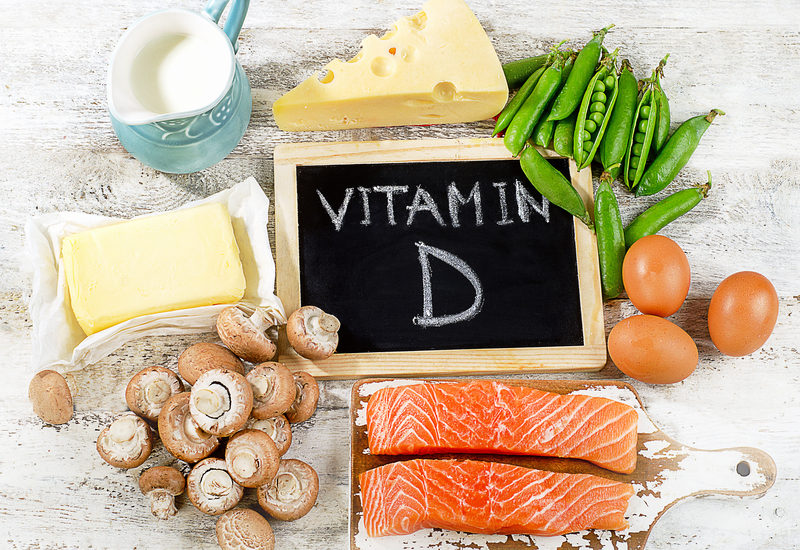
  • Foods: Fatty fish (salmon, sardines, mackerel), egg yolks, and fortified foods such as milk, orange juice, and cereals provide vitamin D.

  • Supplements: Vitamin D3 (cholecalciferol) is more effective at raising blood levels than vitamin D2 (ergocalciferol).


How Much Vitamin D Do You Need?

The recommended dietary allowance (RDA) varies by age:

  • Adults under 70: 600 IU per day

  • Adults over 70: 800 IU per day

  • Some experts suggest higher levels (1,000–2,000 IU daily) may be beneficial for certain populations.

Blood tests are the best way to determine vitamin D status.


Risks of Deficiency

A lack of vitamin D can lead to:

  • Rickets in children, a condition causing bone weakness and deformities

  • Osteoporosis and fractures in adults

  • Higher risk of infections, fatigue, and mood disorders

People at higher risk include those with darker skin, limited sun exposure, older adults, and individuals with digestive disorders that reduce nutrient absorption.

Key Nutrients That Work With Vitamin D

Vitamin D works best with these other nutrients:

  • Magnesium – supports vitamin D metabolism.
  • Vitamin A – balances fat-soluble vitamin intake (naturally found in cod liver oil, along with vitamin D).

Final Thoughts

Vitamin D is more than just a nutrient — it’s a foundation for bone health, immune strength, and mood improvement. If you’re not getting enough from sunlight and food, supplementation can help fill the gap.

FAQ – Frequently Asked Questions

Q: Can I get enough vitamin D from food alone?
A: It’s possible, but difficult. Fatty fish and fortified foods help, but most people still need sunlight or supplements.

Q: Is too much vitamin D harmful?
A: Yes. Excess vitamin D can cause calcium buildup in the blood, leading to kidney and heart issues. Stick to safe daily limits unless advised otherwise by a professional.

Q: Does sunscreen block vitamin D production?
A: Sunscreen can reduce vitamin D synthesis. Moderate sun exposure without burning usually provides enough.

Q: Should I take vitamin D2 or D3?
A: Vitamin D3 is generally more effective at raising blood levels, though both can be beneficial.

Nutrition Breakthroughs

This natural health news is provided by Nutrition Breakthroughs, a publisher of nutrition articles and supplier of effective natural remedies since 2002. Nutrition Breakthroughs makes Sleep Minerals II, the effective natural sleep aid with calcium, magnesium, zinc and vitamin D.

⭐⭐⭐⭐⭐Suzanne G. of Tucson, Arizona says: “I am now taking two Sleep Mineral II capsules each night. I have had insomnia for most of my life and the longer I take Sleep Minerals, the better I sleep. The best thing is that I can now get back to sleep if I wake up in the night. It has given me such a sense of peace to know that I now can be well rested during the day.. I have tried many products on the market and this is the one that is gold. Thank you so much for producing a quality product!”

How to Find the Right Foods for Your Health and Lifestyle

right foodsThe foods you choose each day have a direct impact on how you feel, your energy levels, and even how well you sleep. With so many diets and food trends, the key is to focus on balance and personalization.

The right foods for your health and lifestyle are the ones that nourish your body, fit into your daily routine, and leave you feeling better and more energetic.

The Foundation: Carbohydrates, Proteins, and Fats

Carbohydrates, proteins, and fats are the three main nutrients your body relies on for energy and repair. Choosing the right sources makes a big difference.

  • Healthy carbohydrates Vegetables and fruits are the healthiest carbs you can eat.  Chose ones that you enjoy and eat at least twice as many veggies as fruits.  Other good carbs include brown rice, potatoes, oats, quinoa, sweet potatoes, and beans.
  • Desserts, white flour, white rice, sugar, and concentrated fruit juices can spike one’s blood sugar and lead to energy crashes.  The whole-food carbs above can provide good fiber and steady energy to support digestion and health.
  • Healthy proteins such as salmon and other fish, meat, chicken, turkey, eggs, natural cheeses, and Greek yogurt, help to build muscle, keep you full longer, and stabilize blood sugar.
  • Healthy fats like avocado, olive oil, coconut oil, pumpkin seeds, sunflower seeds, and all types of nuts, are essential for brain health and hormone balance.

Adding these foods to your meals, one at a time, or eating them separately, can help you notice how each affects your energy and mood. A food journal is a useful tool to track which foods leave you feeling satisfied and which may cause adverse effects.

Diet and Sleep: Calcium and Magnesium

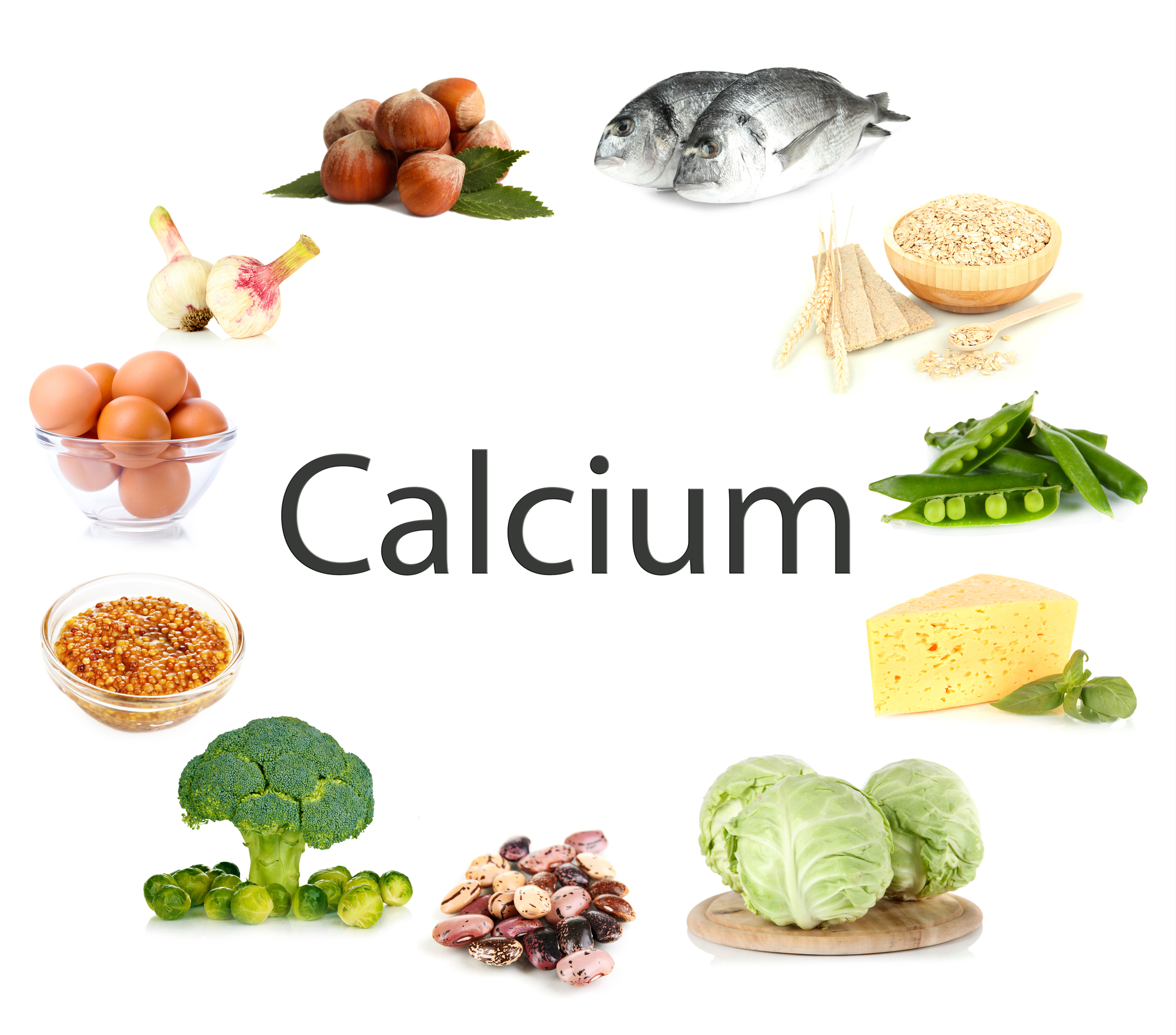
What you eat can also affect your sleep. Calcium helps the brain produce melatonin, the hormone that regulates sleep, while magnesium calms the nervous system and supports deeper rest.  Foods like spinach, broccoli, pumpkin seeds, sunflower seeds, almonds, yogurt, and cheese are excellent sources. (Stick to the veggies and seeds if you are dairy intolerant).

To see what works best for you, introduce some of the above mineral-rich foods, one at a time, and record how it impacts your sleep in a journal. Sleep mineral supplements can also be used. For these, its best to stick to a 2 to 1 ratio, meaning it contains twice as much calcium as magnesium in the supplement. Vitamin D and zinc are also good minerals for improving sleep.

Matching Your Diet to Your Lifestyle

Your daily routine often determines how easy it is to eat well. For those with busy lifestyles, portable whole-food snacks can prevent eating fast foods and having energy crashes. Good options include a banana with almond butter, apple slices with cheese, carrot sticks with hummus, or a handful of cashews or almonds. These balance protein, fiber, and healthy fats to keep the energy steady.

Foods That Help or Hurt Energy

Everyone’s body responds differently to foods, which is why journaling is so valuable. Many people feel energized with colorful fruits and vegetables, lean proteins, and slow-digesting carbs like oats or brown rice. In contrast, sugary drinks, fried fast food, bakery items, and too much caffeine or alcohol often leave people sluggish or restless.

Putting It All Together

The best diet isn’t about strict rules but about learning which foods truly work for you. By balancing carbohydrates, proteins, and fats, eating sleep-supportive minerals, keeping whole-food snacks on hand, and limiting energy-draining foods, you can design a way of eating that fits your lifestyle and helps you achieve the greatest health possible!

This health news is shared with you by Nutrition Breakthroughs, maker of the effective natural sleep aid Sleep Minerals II, and the natural solution for joint relief, allergies, pain relief and increased energy, Joints and More.

***** Wendy R. of Honolulu, Hawaii says: “My friends know that I’ve had chronic insomnia for a long time. Surprisingly, I received the Sleep Minerals II and began taking it and found this thing really works. In the past if I ever got a good night’s sleep I’d say ‘I slept like a baby’, but that’s the wrong comparison. Those little guys get up every two hours. I am actually beginning to sleep like an adult — a much-rested adult.”

References

Why Can’t You Sleep? Causes of Insomnia and Natural Solutions

causes of insomniaStruggling to fall asleep or stay asleep? You’re not alone. Insomnia, or difficulty sleeping, affects millions of people worldwide.

While stress and screen time are common culprits, physical conditions can also play a major role in keeping you awake. The good news? There are natural solutions for many causes of insomnia..

  1. Low Magnesium Levels

Magnesium is a mineral that helps relax your muscles and calm your nervous system. If your body is low in magnesium, you may experience restless sleep, muscle cramps, or frequent waking.

Solution: Eat magnesium-rich foods like bananas, almonds, pumpkin seeds, and spinach. You can also try a natural supplement which provides absorbable magnesium and calcium to promote deep sleep.

  1. Blood Sugar Imbalances

Blood sugar refers to the amount of sugar in your bloodstream. When it spikes or drops too quickly, it can wake you up in the middle of the night.

Solution: Avoid sugary snacks before bed, and eat a balanced dinner with protein, healthy fats, and fiber (such as salmon, avocado, and vegetables). A small handful of nuts before bedtime can help stabilize blood sugar while you sleep.

  1. Hormonal Changes

Hormones are chemical messengers that regulate many body functions, including sleep. Women experiencing menopause or PMS (premenstrual syndrome) often have sleep troubles due to changing estrogen and progesterone levels.

Solution: Drinking chamomile, mint or lavender tea before bed can help relax the body. Magnesium also plays a role in balancing hormones and enhancing melatonin, so adding magnesium-rich foods or supplements can make a difference.

  1. Excess Caffeine or Stimulants

Caffeine, found in coffee, tea, soda, and chocolate, stays in your system for hours and can interfere with sleep. Energy drinks and some medications (like decongestants) can also act as stimulants, making it harder to wind down at night.

Solution: Try cutting off caffeine at least 6–8 hours before bedtime. Herbal teas like rooibos or peppermint can be great caffeine-free alternatives.

  1. Chronic Pain or Inflammation

Conditions like arthritis, fibromyalgia (tender points around the body), or back pain can make it uncomfortable to sleep. Inflammation (your body’s response to injury or stress) can also contribute to nighttime discomfort.

Solution: Anti-inflammatory foods like turmeric, ginger, and omega-3-rich fish can help. A warm bath with Epsom salts (which contain magnesium) can also relax muscles and ease pain before bedtime.

Final Thoughts

Understanding what’s keeping you up at night is the first step to solving it. By making small, natural changes — like improving your diet, managing stress, doing some regular, gentle exercise, and supporting your body’s natural rhythms — you can remedy the causes of insomnia and enjoy deep, restful sleep.

This natural health news is shared by Nutrition Breakthroughs, maker of the original, drug-free, calcium and magnesium-based sleep aid Sleep Minerals II.

Doctor P. P. of Houston, Texas says: “I had developed sleeping problems and took two different sleeping medications over the course of several weeks. When I discontinued them the insomnia came back even worse. I literally got about 20 hours of sleep in 6 weeks time. Sleep Minerals II was just what I needed. I’ve been taking it for a couple weeks and getting many hours of sleep a night. As a doctor I would definitely avoid prescribing sleeping drugs — I would recommend Sleep Minerals II.”

Science Shows Powerful Calcium Benefits: Heart, Sleep, More

calcium benefitsCalcium benefits are numerous and far-reaching.  It is one of the most essential minerals for maintaining overall health, yet many people don’t get enough of it.

While most know that calcium is vital for strong bones, research has revealed that calcium benefits go far beyond that.

From supporting heart function to aiding in weight management, calcium is a true powerhouse nutrient. Let’s explore the many ways calcium enhances health, backed by science.

1. Strengthens Bones and Teeth

It’s no secret that calcium is vital for bone health. According to a study published in The Journal of Bone and Mineral Research, adequate calcium intake helps maintain bone density and reduces the risk of osteoporosis, a condition that weakens bones and increases fracture risk. Calcium also plays a key role in strengthening teeth, preventing decay and gum disease.

2. Supports Heart Health

Calcium helps regulate heart function by ensuring proper muscle contractions, including those of the heart. Research in The American Journal of Medicine found that people with sufficient calcium intake had a lower risk of high blood pressure and cardiovascular disease. It also helps blood vessels relax and contract properly, promoting healthy circulation.

3. Aids in Weight Management

Surprisingly, calcium can play a role in weight control. A study in Obesity Research found that individuals who consumed more calcium, especially from dairy sources, had lower body fat levels and found it easier to manage their weight. Calcium may help regulate fat storage and breakdown, making it an important part of a balanced diet.

4. Reduces the Risk of Colon Cancer

Research published in The Journal of the National Cancer Institute suggests that calcium may reduce the risk of colorectal cancer. It’s believed that calcium binds to harmful compounds in the intestines, preventing them from damaging colon cells and reducing cancer risk.

5. Supports Muscle Function and Nerve Health

Calcium is essential for muscle contraction and nerve communication. Without it, muscles may cramp, and nerve signals may become sluggish. According to The Journal of Physiology, calcium enables the transmission of signals between the brain and body, ensuring smooth muscle movements and reducing the risk of spasms.

6. Promotes Better Sleep and Reduces Insomnia

Calcium plays an important role in sleep regulation. A study in The European Neurology Journal found that calcium helps the brain use the amino acid tryptophan (a component of protein) to produce melatonin, the sleep-inducing hormone. Low calcium levels have been linked to sleep disturbances and insomnia. Consuming calcium-rich foods before bed may enhance sleep quality and duration.

Best Food Sources of Calcium

To get enough calcium, it’s best to consume a variety of calcium-rich foods. Here are the top sources:

Dairy Sources:

  • Milk
  • Yogurt
  • Cheese

Non-Dairy Sources:

  • Leafy greens (kale, bok choy, collard greens)
  • Almonds
  • Sardines (with bones)
  • Chia seeds
  • Sesame seeds
  • Figs

Calcium Benefits for Good Sleep

This natural health news is shared by Nutrition Breakthroughs, maker of the original calcium and magnesium based sleep aid Sleep Minerals II.

***** Wendy R. of Honolulu, Hawaii says: “My friends know that I’ve had chronic insomnia for a long time. Surprisingly, I received the Sleep Minerals II and began taking it and found this thing really works. In the past if I ever got a good night’s sleep I’d say ‘I slept like a baby’, but that’s the wrong comparison. Those little guys get up every two hours. I am actually beginning to sleep like an adult — a much-rested adult.”

Summary

Getting enough calcium is essential for a strong, healthy body. Whether through dairy or plant-based sources, adding more calcium-rich foods and supplements to your diet can improve bone health, heart function, weight management, and even reduce disease risks. It can also enhance sleep quality and quantity and help remedy insomnia. So, start making calcium a priority today – your body will thank you!

Find out more info on the effective natural sleep aid Sleep Minerals II.

Fun Nutrition News and Facts You’d Never Guess – Issue 5

nutrition newsGreetings to you,

Welcome to the fifth issue of “Fun Nutrition News and Facts You’d Never Guess!”  Get ready to be intrigued and inspired by some fascinating and little-known tidbits about the food we eat.  Did you know that ….

Oats Can Lower Cholesterol

Oats contain a type of soluble fiber called beta-glucan, which has been proven to  lower cholesterol, control blood-sugar levels, and provide lasting energy throughout the day.  They are a good source of vitamins B and E, as well as the minerals magnesium, zinc and manganese. Eating a bowl of oatmeal for breakfast (rolled oats or steel-cut are best) can help keep your heart healthy.

Reference: Whitehead, A., et al. (2014). Cholesterol-lowering effects of oat β-glucan: A meta-analysis of randomized controlled trials. American Journal of Clinical Nutrition, 100(6), 1413-1421.

Pineapples Take Two Years to Grow and are Worth It

Patience is a virtue, especially when it comes to pineapples. These tropical fruits take up to two years to reach maturity. Once ready, pineapples are a fantastic source of vitamin C and bromelain, an enzyme that helps with good digestion and reduced inflammation.

The vitamin C in pineapple supports the immune system and helps build collagen in the body.  Collagen is the main structural protein in the body, providing strength to skin, muscles, bones and connective tissues.

Reference: Paull, R. E., & Chen, N. J. (2003). Postharvest physiology, handling and storage of pineapple. Tropical Agriculture, 80(2), 82-97.

Pumpkin Seeds Are a Natural Mood Booster

Pumpkin seeds are rich in tryptophan, an amino acid that is a precursor to serotonin, the “feel-good” natural brain chemical. Consuming pumpkin seeds can help improve your mood and promote a sense of well-being. These seeds also improve heart health and bladder health and are high in magnesium, vitamin e, zinc and selenium.

Reference: Pumpkin seeds may boost brain health in 4 crucial ways by Sarah Sloat https://www.inverse.com/mind-body/pumpkin-seeds Updated: Feb. 20, 2024

Fun and Health Go Hand-in-Hand

Isn’t nutrition fascinating?  Each week, Nutrition Breakthroughs will bring you inspiring and surprising nutrition news and facts to help you on your journey to healthier eating. Stay tuned!

This natural health news is shared by Nutrition Breakthroughs, maker of the original and effective calcium and magnesium based sleep aid Sleep Minerals II, and Joints and More, a natural supplement for joint relief, less aches and pains, stronger hair and nails, and more energy.

Macular Degeneration of the Eyes: Science Shows Natural Remedies

macular degenerationWhat is Macular Degeneration?

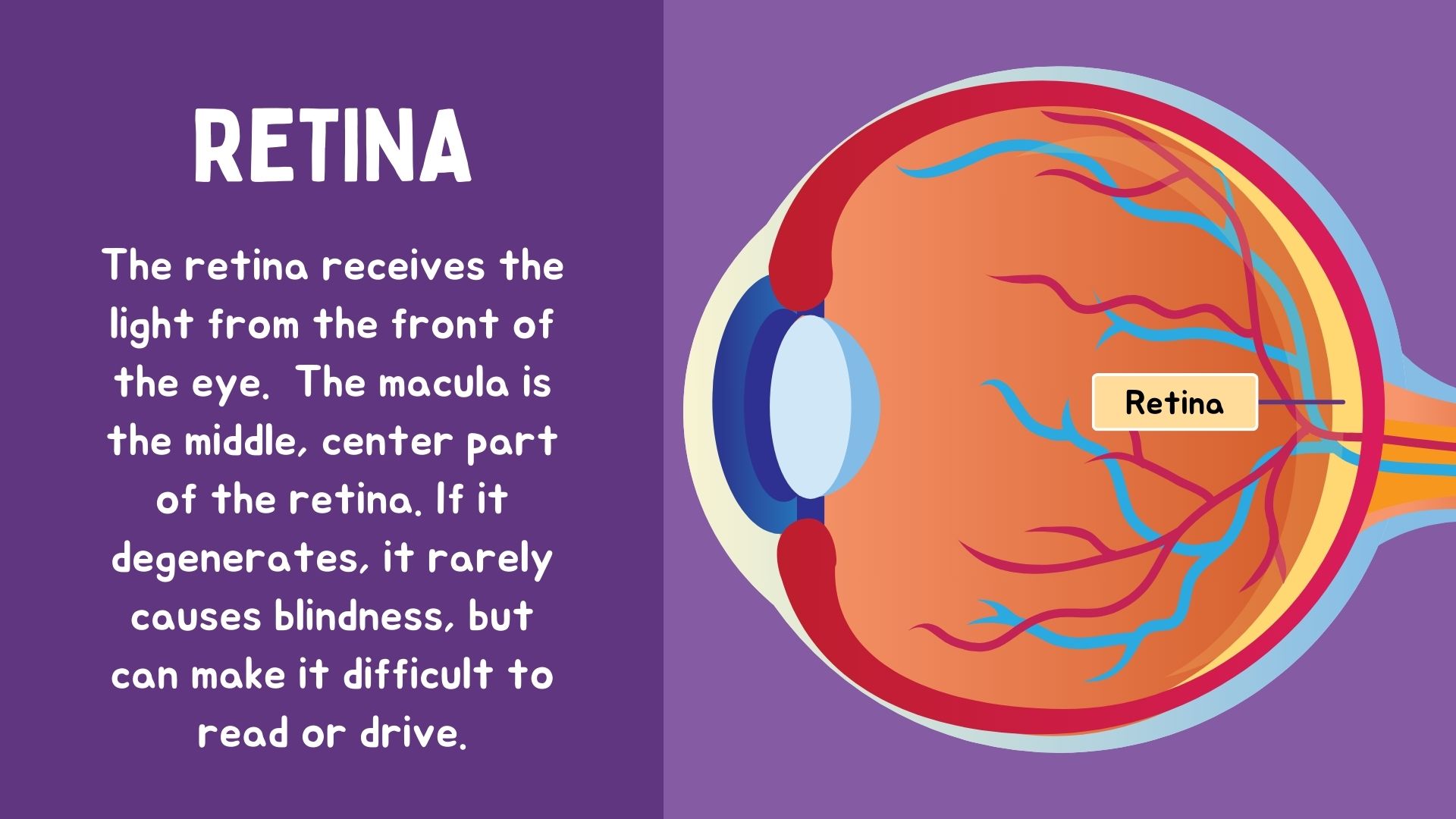
Macular degeneration is a common eye condition, especially among people over the age of 50, that can lead to blurry vision, difficulty reading or driving, and recognizing people or the details of things..

The macula is the middle, center part of the retina. The retina is the nerve tissue at the back of the eye that is sensitive to light and that receives and sends images to the brain.

The good news is that there are some natural remedies that can help slow its progression and even support healing.  By making small but impactful changes to your diet, supplements, lifestyle, and daily habits, you can protect your eyes and improve your vision.

Proven Natural Remedies

  1. Antioxidants: Antioxidants are natural substances that can prevent or delay certain types of cell damage that comes from oxygen interactions. These are nutrients like vitamins C, E and A that help fight oxidative stress, which is a key factor in macular degeneration. Studies show that vitamin C (found in citrus fruits and colored bell peppers) and vitamin E (from nuts and seeds) can slow the progression of the disease (Archives of Ophthalmology, 2001). Antioxidants work by protecting retinal cells from damage, helping maintain healthy vision for longer.
  2. Lutein and Zeaxanthin: Found in leafy greens like spinach, kale, other leafy greens, carrots, eggs, broccoli and peas. These are known as carotenoids, pigments in plants which produce the bright yellow, red, and orange colors in vegetables. These pigments are known to accumulate in the macula and protect against harmful light rays. According to research, individuals who consume high levels of lutein and zeaxanthin can reduce their risk of advanced macular degeneration by up to 25% (The American Journal of Clinical Nutrition, 2013).
  3. Omega-3 Fatty Acids: Omega-3s, especially from fish oil, salmon and sardines, are essential for eye health. Studies suggest that these healthy fats reduce inflammation and may lower the risk of macular degeneration (Investigative Ophthalmology & Visual Science, 2011).Another study was done with people over the age of 49.  Of the 3,000 participants, those who ate more fish were less likely to have macular degeneration.  Another source reported that eating fish once a week can cut the risk of having it in half.
    4. Zinc: This mineral, found in foods like oysters, fish, meat, pumpkin seeds and nuts, plays an important role in transporting vitamin A from the liver to the retina, aiding in increased protection for the eyes. A study published in a Journal of Ophthalmology (the study of eye disorders) found that a supplement with zinc, vitamin C, vitamin E and beta-carotene reduced the risk of macular degeneration and also slowed down its progression.

Healing Foods for Macular Degeneration

Carrots: Are rich in beta-carotene, which the body converts into vitamin A.  Carrots support retinal health and vision.

Sweet Potatoes: Another excellent source of beta-carotene, providing necessary nutrients to protect against macular degeneration.

Blueberries: Packed with antioxidants and vitamins C and K, blueberries help fight oxidative stress in the eyes. A cousin of blueberries called bilberry has also shown benefits for eye health.

Eye Exercises and Lifestyle Actions

Eye Exercises: This includes looking away from close-up work or computer work at regular intervals and focusing on a distant object, and practicing “palming” (gently covering the eyes with your palms to relax them).  These can help reduce eye strain and improve overall eye health.

Lifestyle Tips: Quitting smoking, wearing sunglasses to protect from the sun’s rays, eating leafy greens, orange-colored vegetables and blueberries, and managing chronic conditions like hypertension and diabetes, are essential in reducing the risk of macular degeneration.

By incorporating these natural remedies and lifestyle habits, you can effectively prevent or manage macular degeneration and protect your vision for the future.

This natural health news is shared by Nutrition Breakthroughs, maker of the original and effective calcium and magnesium based sleep aid Sleep Minerals II (also containing vitamin D and zinc).

***** Chris M. of the United Kingdom says: “I take one softgel of Sleep Minerals II before bed every night and within 20 minutes I am asleep. The difference in the quality of my sleep and the ease with which I get to sleep using this product is monumental. I have stopped obsessing about sleep or dreading bedtime – I just take a softgel and drift off. If I stop taking them, within a week my sleep starts to lighten in quality, the amount of my sleep diminishes, and my old insomniac patterns reappear.”