
Fun Facts on Nutrition You’d Never Guess! – Issue #8

facts on nutritionHello! This eighth issue of “Fun Facts on Nutrition You’d Never Guess!” has some fascinating facts about the foods we eat.  Here we go!

  1. Chia Seeds Expand Up to 12 Times Their Weight

Chia seeds can absorb up to 12 times their weight in water, forming a gel-like substance. This property makes them excellent for healthy hydration and a great addition to smoothies and puddings.

The seeds are also rich in omega-3 fatty acids which strengthen immunity, and they also contain good amounts of fiber and protein.

To create an easy and creamy chia pudding, combine 4 tablespoons of chia seeds with one cup of your choice of milk (almond, coconut, or dairy) and 1 teaspoons of a sweetener (such as maple syrup or honey). Stir thoroughly, allow it to sit for 10–15 minutes, stir again, and then chill in the refrigerator for 4 hours or overnight.

Reference: Nieman, D. C. (2009). Influence of Chia Seed on the Immune System: Preliminary Results. Journal of Nutrition and Metabolism

  1. Why Do Apples Float? And Why Eat the Peels?

Ever wondered why apples float in water? It’s because they are composed of about 25% air. This makes them buoyant (staying afloat in water) and perfect for games like apple bobbing (which is grabbing floating apples with your teeth!). They’re also packed with fiber and vitamin C, making them a healthy snack.

Apple peels contain the most nutrients. Most of the apple’s fiber and vitamins are concentrated in the skin.  Granny Smith apples, due to their lower sugar and higher fiber content, may positively affect the gut health and also aid in weight control.

Reference: Boyer, J., & Liu, R. H. Apple phyto (plant) chemicals and their health benefits. Nutrition Journal

  1. Artichokes Are One of the Oldest Foods Known to Humans!

Artichokes have been consumed since ancient times and are believed to be one of the oldest foods known to humans. An artichoke is known as a “thistle plant.”  A thistle is a wild, spiny plant covered with sharp points that serve as protection against animals that may try to eat it. Although many thistles are labeled as weeds, certain varieties are edible and quite tasty—such as the globe artichoke.

Artichokes provide a wide range of health benefits, including promoting healthy liver function and detoxification, helping reduce cholesterol, balancing blood pressure, and improving digestive health.

Reference: Lattanzio, V. Globe artichoke: A functional food and source of nutraceutical ingredients. Journal of Functional Foods

  1. Green Peas Are a Source of Protein

Green peas are one of the few plant-based sources of protein, meaning they contain all nine essential amino acids that our bodies cannot produce on their own. They are also rich in vitamins A, C, K, and several B vitamins.

Peas support heart health, the immune system (high in vitamin C), bone health, and eye health (high in lutein).

Reference: FAO Complete Protein Profile of Legumes. Food and Agriculture Organization of the United Nations.

Fun and Health Go Hand-in-Hand

Isn’t nutrition interesting? From the ancient artichoke to the buoyant apple, these fun facts highlight the amazing world of food.  We will continue to bring you more surprising and inspiring nutritional facts to help you on your journey to healthy eating. Stay tuned!

About Nutrition Breakthroughs

This natural health news is shared by Nutrition Breakthroughs, maker of the original and effective calcium and magnesium based sleep aid Sleep Minerals II, and Joints and More, a natural supplement for joint relief, less aches and pains, stronger hair and nails, and more energy.

Fun Facts on Nutrition You’d Never Guess! – Issue #7

fun facts on nutritionHello, food lovers. It’s time for another exciting edition of “Fun Facts on Nutrition You’d Never Guess.”  Prepare to be delighted by some intriguing and entertaining facts about the foods we enjoy. Let’s get started!

1. Almonds Are Seeds, Not Nuts

Despite being commonly referred to as nuts, almonds are actually seeds of the fruit of the almond tree. They are packed with healthy fats, protein, fiber, and vitamin E, making them a nutritious snack. Almonds also contain magnesium and have also been proven to reduce overall hunger and not affect body weight when eaten.

Reference: A study published in the European Journal of Clinical Nutrition.

  1. Eggplants Are Technically Berries

Eggplants, also known as aubergines, are technically classified as berries. They belong to the nightshade family, along with tomatoes and potatoes. Eggplants are rich in fiber, vitamins, and antioxidants.  The main antioxidants for good health are vitamins E, A and C.  Foods with these nutrients can protect the body from unstable molecules that contribute to aging and disease.  So, enjoy some eggplant as a nutritious addition to your diet.

Reference: Raigón, M. D., (2008). Influence of organic and conventional cultivation methods on compounds and mineral content of eggplant fruits. Journal of Agricultural and Food Chemistry.

  1. Red Bell Peppers Have More Vitamin C Than Green Ones

Red bell peppers are simply ripened green peppers, and they contain significantly more vitamin C.  A single red bell pepper can provide up to three times the daily recommended intake of vitamin C (the recommended daily allowance of vitamin C is about 80 milligrams).  Red bell peppers can boost the immune system and enhance skin health, as vitamin C helps the body make collagen.

Reference: Marin, A. (2004). Profile of compounds in green and red peppers  grown in different types of soil. Journal of the Science of Food and Agriculture.

  1. Pine Nuts Come from Pine Cones

Pine nuts are the edible seeds of pine trees, and they are actually found inside pine cones. Extracting them is quite labor-intensive, which is why they can be pricey. These little seeds are packed with protein, healthy fats, and magnesium.

Reference: Evaristo, I. (2010). Pine nuts: A review of recent clinical research.

Fun and Health Go Hand-in-Hand

Isn’t nutrition fascinating? From the hidden pine nut to the berry-like eggplant, these fun facts on nutrition highlight the amazing world of food.  We will continue to bring you more of these surprising and inspiring facts to help you on your journey to healthier eating. Stay tuned and happy munching!

About Nutrition Breakthroughs

This natural health news is shared by Nutrition Breakthroughs, maker of the original and effective calcium and magnesium based sleep aid Sleep Minerals II, and Joints and More, a natural supplement for joint relief, less aches and pains, stronger hair and nails, and more energy.

Fun Facts on Nutrition You’d Never Guess! – Issue #6

fun facts on nutrition

Hello, and welcome back to another edition of “Fun Facts on Nutrition!”  Get ready to be amazed by some more fun and fascinating facts about the food we eat. Let’s get started..

1. Beetroot Juice Can Boost Athletic Performance

Beetroot juice, made from red beets, is a favorite among athletes for its ability to enhance performance.

It is rich in nitrates, which are natural compounds found in vegetables like spinach, leafy greens and beets.  

Your body converts dietary nitrates into a compound which can improve blood flow, reduce oxygen use, and increase overall endurance. Drink up and feel the beet!

Reference: Jones, A. M., & Vanhatalo, A. (2017). The Physiology of Nitrate Supplementation in Human Exercise and Sport. Annual Review of Nutrition, 37, 447-473.

2. Blueberries Can Improve Memory

Blueberries are often referred to as brain berries due to their memory-boosting properties. They are packed with antioxidants which can improve memory and cognitive function.

Antioxidants are natural substances in fruits and vegetables that may prevent or delay some types of cell damage and lower the risk of many diseases.  Antioxidants are also concentrated in dietary supplements like vitamin A, vitamin C, and vitamin E.

Snack on some blueberries soon for a good brain boost!

Reference: Krikorian, R., et al. (2010). Blueberry supplementation improves memory in older adults. Journal of Agricultural and Food Chemistry, 58(7), 3996-4000.

3. Pumpkin Seeds Are a Natural Mood Booster

Pumpkin seeds are rich in tryptophan, an amino acid that helps our bodies make serotonin, the “feel-good” neurotransmitter.  Neurotransmitters are chemical messengers that our body can’t function without.

Their job is to carry chemical signals from one neuron (nerve cell) to the next target cell. The next target cell can be another nerve cell, a muscle cell or a gland. Consuming pumpkin seeds boosts this action and can help improve our mood and promote a sense of well-being. Happy snacking!

Reference: Pumpkin seeds as nutraceutical and functional food ingredient for future: A review, Grain & Oil Science and Technology.

Fun and Health Go Hand-in-Hand

Isn’t nutrition fascinating? From athletic-boosting beetroots to mood-enhancing pumpkin seeds, these fun facts highlight the amazing world of food.  We’ will regularly bring you more of these surprising and inspiring nutritional facts to help you on your journey to the healthiest life.

About Nutrition Breakthroughs

This natural health news is shared by Nutrition Breakthroughs, maker of the original and effective calcium and magnesium based sleep aid Sleep Minerals II, and Joints and More, a natural supplement for joint relief, less aches and pains, stronger hair and nails, and more energy.

Hungry in the Night? Blood Sugar Dips Affect Sleep

blood sugar dipsSleep quality is influenced by more than just bedtime routines. One often overlooked factor is blood sugar fluctuations at night. Glucose is the body’s fuel for all of  its cells and it travels through the blood – so it has become known as “blood sugar.”

Your body naturally experiences a drop in glucose during the early sleep period, and sometimes in the middle of the night.  For some people, especially those sensitive to blood sugar changes, this dip can trigger waking, restlessness, or lighter sleep stages.

When blood sugar drops too low, the body can release stress hormones, such as adrenaline and cortisol, to stabilize glucose levels. These hormones can disrupt sleep and make it harder to achieve deep, restorative rest.

Over time, repeated nighttime awakenings due to blood sugar dips can lead to chronic fatigue, irritability, and even increased risk for metabolic disorders.

How to support stable blood sugar overnight:

  1. Evening snacks: A small snack combining protein and complex carbohydrates, like a slice of whole-grain toast with almond butter or Greek yogurt with berries, helps maintain steadier blood sugar levels.
  2. Meal timing: Eating dinner at consistent times each evening helps the body anticipate blood sugar patterns and reduces sudden dips.
  3. Minerals for balance: Magnesium and zinc help regulate glucose metabolism and insulin function, which in turn supports stable nighttime blood sugar.
  4. Limit sugar at night: High-sugar desserts late in the evening can trigger spikes and crashes, causing more wakefulness.

Other lifestyle factors also play a role. Getting outside for light exposure, regular activity during the day, and stress management help keep your body’s internal clock aligned, making your blood sugar patterns more predictable and sleep more restorative.

References:

  • Magnesium and sleep: Nutrients Journal, 2012
  • Zinc and glucose metabolism: Journal of Trace Elements in Medicine and Biology, 2014

FAQ:

Q1: Are snacks always necessary before bed?
A2: Only if your blood sugar tends to dip or if your dinner was early. Choose balanced, nutrient-rich options.

Q2: Can supplements help?
A3: Magnesium or zinc supplements may help maintain steady blood sugar and support deeper sleep.

This natural health news is provided by Nutrition Breakthroughs, a publisher of nutrition articles and supplier of effective natural remedies since 2002. Nutrition Breakthroughs makes Sleep Minerals II, the original drug-free mineral formula for better sleep with calcium, magnesium, zinc and vitamin D.

⭐ ⭐ ⭐ ⭐ ⭐ Julianne H. of Canada says: “I continue to tell my friends about how Sleep Minerals II has changed my life. I am fully retired now but still remember driving to work and wondering if I would make it there due to sleep deprivation.”

“And the debilitating leg cramps that used to occur every night have now become history. My legs were sore even into the next day. It’s great to be sleeping so much better, no more sore legs, and my calcium levels are being kept constant.”

A Calming Bedtime Routine for Better Sleep

bedtime routineIf you’ve ever gone to bed tired but found yourself tossing and turning no matter how exhausted you feel, you’re not alone.

Often, the problem isn’t just the day’s stress but also how we transition from the busy hours into bedtime.

A calming routine acts like a signal to your body that it’s time to relax, let go, and prepare for rest. A “Bridge” if you will, between a hectic day and a peaceful night.  Here’s a simple, enjoyable evening ritual you can try tonight.

Step 1: Set an Evening Reminder

Sometimes we get caught up in tasks and don’t realize how late it’s gotten. Try setting an alarm about an hour before bed. When it goes off, treat it as your cue to start winding down. This way, bedtime becomes a gentle routine instead of a rushed afterthought.

Step 2: Take a Warm Bath or Shower

A warm bath is more than just relaxing. When you step out of the warm water, your body temperature drops slightly, which naturally signals that it’s time to sleep. You can try adding calming touches like Epsom salts (rich in magnesium) or a few drops of lavender oil (if essential oils agree with you), to make it extra soothing.

Step 3: Do Gentle Stretches

Gentle stretching releases tight muscles and helps calm your nervous system. A few simple moves, like rolling your shoulders, stretching your arms overhead, or bending forward to loosen your back, can make a big difference.  A seated twist from side to side can also loosen the back muscles for even deeper relaxation.

Step 4: Read a Book (the Old-Fashioned Kind)

Put away your phone or tablet, since the blue light they give off can make it harder to fall asleep. Instead, pick up a physical book or magazine. Choose something lighthearted or inspiring rather than suspenseful. Within minutes, you’ll feel more relaxed.

Step 5: Listen to Calming Music

Soft, slow-paced music can reduce your heart rate and ease anxiety. Classical, acoustic, or nature sounds like ocean waves or rainfall are all excellent options. Keep the volume low so the music feels more like a background comfort than a performance.

Step 6: Write a To-Do List for Tomorrow

If your brain races at night with thoughts of what needs to get done, this step can be a lifesaver. Jotting down tomorrow’s tasks frees your mind from having to hold onto them. You’ll feel lighter knowing that everything is captured on paper and ready for you the next day.

Step 7: Take Calming Minerals Before Bed

Magnesium and calcium are two minerals that play a key role in relaxation and sleep. Magnesium helps muscles release tension and calms the nervous system, while calcium supports the brain’s ability to use amino acids that promote deeper rest. Taking them in the evening, with a light snack if needed, can set the stage for a smoother night.

Step 8: Dim the Lights and Unplug

Finally, lower the lights around your home to mimic the natural setting of the sun. Bright light tricks the brain into thinking it’s still daytime. By dimming lights, turning off electronics, and letting your environment match your routine, you’re giving your body the strongest signal of all: it’s time for sleep.

Summing it Up

A calming bedtime routine doesn’t need to be complicated. With simple steps like stretching, reading, writing a to-do list, and taking calming minerals, you can create a nightly ritual that tells your body it’s safe to rest. With practice, your evenings will become more peaceful — and your nights more refreshing.

Sleep Minerals II

This natural health news is provided by Nutrition Breakthroughs, a publisher of nutrition articles and supplier of effective natural remedies since 2002. Nutrition Breakthroughs makes Sleep Minerals II, the effective natural sleep aid with calcium, magnesium, zinc and vitamin D

⭐⭐⭐⭐⭐ L.R.C. of Massachusetts says: “I had become dependent on sleeping drugs and couldn’t sleep without them. Now I take the Sleep Minerals II before bed and I can sleep through the whole night without drugs. I’m also able to easily fall back to sleep if I do have to get up. Another benefit is this helps alleviate my chronic fatigue and aches and pains.”

High Fiber Foods: Their Long-Lasting Benefits for a Longer Life

high fiber foodsIn the ever-evolving landscape of nutrition and wellness, one dietary component that continues to stand the test of time is fiber.

Often applauded as a key player in maintaining a healthy lifestyle, high fiber foods offer a variety of benefits that contribute to our overall health and well-being. This article describes what fiber is, what its proven health benefits are, and the top foods that contain it.

What is Fiber?

Fiber, the indigestible part of plant foods, is a versatile compound that comes in two forms: soluble and insoluble. Soluble fiber dissolves in water, forming a gel-like substance that aids in regulating blood sugar levels and lowering cholesterol. Insoluble fiber adds bulk to the stool, promoting healthy digestion and preventing constipation. Together, these forms contribute to the overall health of our digestive system.

Health Benefits of High Fiber Foods:

  1. Digestive Harmony: Insoluble fiber, found in vegetables like broccoli and Brussels sprouts, promotes regular bowel movements, preventing constipation and maintaining a healthy digestive system. Studies in the “Journal of Nutrition” emphasize its role in preventing gastrointestinal disorders.
  2. Heart-Friendly Nutrients: Soluble fiber-rich foods, such as berries and oats, contribute to heart health by lowering cholesterol levels. Research published in the “American Journal of Clinical Nutrition” suggests that a diet high in soluble fiber may significantly reduce the risk of cardiovascular diseases, providing a positive impact on overall longevity.
  3. Blood Sugar Stability: Fibrous fruits like apples and pears contain soluble fiber that aids in stabilizing blood sugar levels. A study in “Diabetes Care” highlights the positive impact of soluble fiber in reducing the risk of type 2 diabetes and supporting overall blood sugar regulation.
  4. Weight Management Support: High fiber foods, such as nuts and seeds, contribute to weight management by promoting a feeling of fullness. Research in the “International Journal of Obesity” supports the fact that incorporating nuts and seeds into the diet can assist in weight loss and maintenance.

Studies on How Fiber Extends Life:

Numerous studies have explored the correlation between high fiber intake and an extended life. A comprehensive analysis published in the “British Medical Journal” found that a diet rich in fiber is associated with a longer, healthier life. This is proof of the enduring impact of integrating fiber into our daily meals. A 25% reduction in death from all causes was observed for those consuming the most fiber.

7 of the Best High Fiber Foods with Studies on Their Benefits:

  1. Broccoli: Rich in insoluble fiber, broccoli promotes intestinal health. Studies in the “International Journal of Molecular Sciences” suggest that compounds in broccoli may have anti-cancer properties, contributing to a longer and healthier life.
  2. Berries (Blueberries, Raspberries): Packed with soluble fiber and antioxidants, berries support heart health. Research in the “Journal of Agricultural and Food Chemistry” indicates that the compounds in berries may have anti-aging effects.
  3. Almonds: Almonds, a fiber-rich nut, contribute to weight management. The “Journal of Nutrition” suggests that the inclusion of nuts in the diet is associated with a reduced risk of cardiovascular diseases.
  4. Avocado: Avocado, which is high in both soluble and insoluble fiber, supports heart health. A study in the “Journal of the American Heart Association” suggests that avocado consumption is linked to improved cardiovascular outcomes.
  5. Spinach: Spinach is a fiber-packed leafy green. A study in the “European Journal of Nutrition” suggests that the fiber and antioxidants in spinach may contribute to improved gut health.
  6. Oranges: Oranges, rich in soluble fiber, contribute to blood sugar stability. Studies in “Diabetes Care” emphasize the positive impact of citrus fruits on reducing the risk of type 2 diabetes.
  7. Sweet Potatoes: Sweet potatoes, a fiber-rich vegetable, supports digestive health. The “Journal of Medicinal Food” highlights the potential anti-inflammatory and anti-cancer effects of the antioxidants in sweet potatoes.

Other High Fiber Foods:

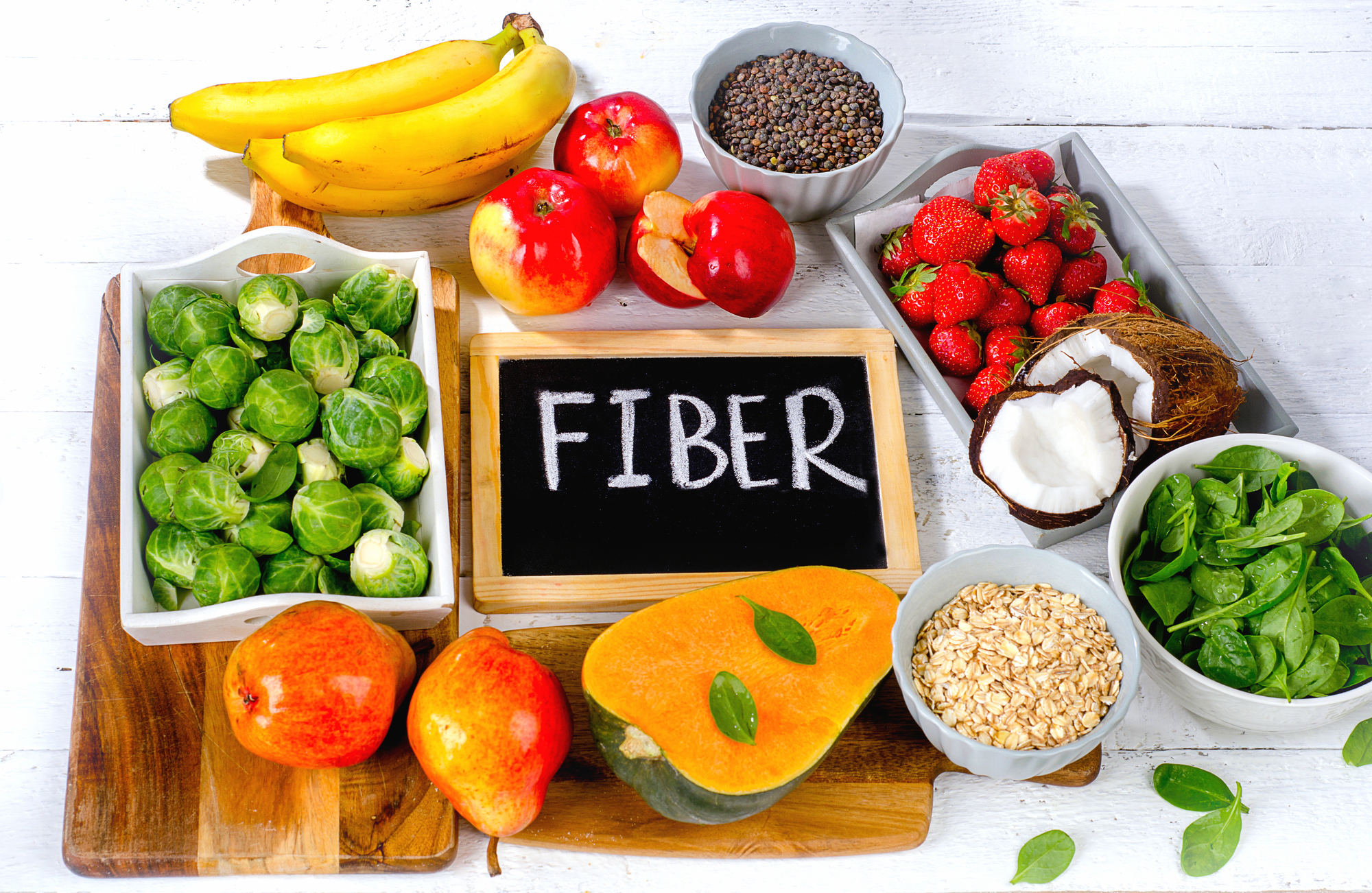
In addition to the foods mentioned above, other high fiber foods include Brussels sprouts, kale, artichokes, lentils, bananas, peas, apples, chia seeds, sunflower seeds and carrots. These foods add diversity to a fiber-rich diet.

Lowest Fiber Foods:

Low fiber foods include highly processed snacks and foods like bread, biscuits, pancakes, cookies, chips, and sugary beverages.

Conclusion:

From supporting digestive health to fostering heart-friendly environments, high fiber foods contribute to a longer, healthier life. As we enjoy the vibrant flavors of fruits, vegetables, nuts, and seeds, lets envision the prospect of a long-lived future filled with health and vitality.

This health news is provided by Nutrition Breakthroughs, maker of the original calcium and magnesium based sleep aid Sleep Minerals II, and Joints and More, a natural supplement for joint relief, less aches and pains, and more energy.

⭐⭐⭐⭐⭐ Wendy R. of Honolulu, Hawaii says: “My friends know that I’ve had chronic insomnia for a long time. Surprisingly, I received the Sleep Minerals II and began taking it and found this thing really works. In the past if I ever got a good night’s sleep I’d say ‘I slept like a baby’, but that’s the wrong comparison. Those little guys get up every two hours. I am actually beginning to sleep like an adult — a much-rested adult.”

Sunlight Benefits: The Many Health Boosts from Soaking it Up

sunlight benefitsMost of us love the feeling of warm sunlight on our skin. It brightens our mood, makes outdoor adventures more fun, and gives everything a golden glow.

But sunlight is more than just pretty -it’s actually one of nature’s best health boosters.

From stronger bones to better sleep, stepping into the sunshine can give your mind and body a surprising number of benefits. Let’s explore why soaking up some rays is so good for you.

  1. Sunshine and Vitamin D: The Dynamic Duo

One of the biggest reasons sunlight is so important is because it helps your body make vitamin D. This vitamin is sometimes called the “sunshine vitamin” because your skin produces it when exposed to ultraviolet B (UVB) rays from the sun. Vitamin D is essential for strong bones, healthy muscles, and even a powerful immune system.

Research published in the Journal of Investigative Medicine (2011) found that people with healthy vitamin D levels had better resistance to infections. It’s also key for preventing osteoporosis, a condition where bones become weak and brittle. Just 10–20 minutes of sunshine a few times a week can often be enough to keep your vitamin D levels in good shape — though this can vary depending on your skin tone, where you live, and the time of year.

  1. Sunshine Boosts Your Mood

Ever notice how your spirits lift after a sunny day? That’s not just your imagination. Sunlight helps your brain release serotonin, a chemical that makes you feel calm, focused, and happy. Low levels of serotonin are linked to depression, which some people experience during darker winter months.

A review in The Lancet (2020) found that light therapy — exposing people to bright artificial light — was effective in improving mood and reducing depression symptoms. Natural sunlight works in a similar way, giving your spirits a natural lift.

  1. Better Sleep Thanks to the Sun

Here’s a fun fact: catching rays during the day can help you sleep better at night. How? Sunlight helps regulate your body’s circadian rhythm, which is your internal clock that tells you when to feel awake and when to feel sleepy.

Morning sunlight in particular signals your brain that it’s time to be alert. Later in the day, your body naturally releases melatonin, the “sleep hormone,” when it’s dark. A study in the Journal of Clinical Sleep Medicine (2014) showed that office workers with more natural light exposure slept longer and better than those without it.

  1. Sunlight Can Help Your Heart

Moderate sun exposure might even give your heart health a little boost. When sunlight hits your skin, it can help lower blood pressure by triggering the release of nitric oxide, a molecule that relaxes blood vessels. A study in the Journal of Investigative Dermatology (2014) suggested that this process could reduce the risk of heart disease.

  1. Social and Active Benefits

Finally, let’s not forget the lifestyle perks. Sunny weather encourages people to get outside — whether that’s walking, playing sports, or just hanging out with friends. Being outdoors often means more physical activity, which supports a healthier body and a sharper mind.

So, How Much Sun Do You Need?

Experts recommend a balance — enough to enjoy the benefits, but not so much that you risk sunburn or skin damage. 10–15 minutes of direct midday sun exposure on your face, arms, and legs, several times a week, is enough to get enough Vitamin D.

The ideal time is between 10 a.m. and 3 p.m., as the sun’s healthy rays are strongest then.  Darker skin tones require longer exposure.  If you like, you can use sunscreen on other parts of your body and take breaks in the shade as needed.

Summary

Sunlight is one of life’s simplest and most powerful health tools. It helps your body create essential vitamins, lifts your mood, improves sleep, and can even support your heart. So, the next time the sun is shining, step outside, take a deep breath, and let nature do some of its best work

Nutrition Breakthroughs

This health news is shared by Nutrition Breakthroughs, maker of the original calcium and magnesium based sleep aid Sleep Minerals II, and Joints and More, a natural supplement for joint relief, less aches and pains, stronger hair and nails, and more energy.

⭐⭐⭐⭐⭐Tammy M. of Meridian, Idaho says: “I was plagued with insomnia for five years and desperate for a breakthrough. Nothing has helped me more than Sleep Minerals — I’m so sold on them I could go door to door promoting them. I’m 60 years old and have never slept so soundly.”

How to Find the Right Foods for Your Health and Lifestyle

right foodsThe foods you choose each day have a direct impact on how you feel, your energy levels, and even how well you sleep. With so many diets and food trends, the key is to focus on balance and personalization.

The right foods for your health and lifestyle are the ones that nourish your body, fit into your daily routine, and leave you feeling better and more energetic.

The Foundation: Carbohydrates, Proteins, and Fats

Carbohydrates, proteins, and fats are the three main nutrients your body relies on for energy and repair. Choosing the right sources makes a big difference.

  • Healthy carbohydrates Vegetables and fruits are the healthiest carbs you can eat.  Chose ones that you enjoy and eat at least twice as many veggies as fruits.  Other good carbs include brown rice, potatoes, oats, quinoa, sweet potatoes, and beans.
  • Desserts, white flour, white rice, sugar, and concentrated fruit juices can spike one’s blood sugar and lead to energy crashes.  The whole-food carbs above can provide good fiber and steady energy to support digestion and health.
  • Healthy proteins such as salmon and other fish, meat, chicken, turkey, eggs, natural cheeses, and Greek yogurt, help to build muscle, keep you full longer, and stabilize blood sugar.
  • Healthy fats like avocado, olive oil, coconut oil, pumpkin seeds, sunflower seeds, and all types of nuts, are essential for brain health and hormone balance.

Adding these foods to your meals, one at a time, or eating them separately, can help you notice how each affects your energy and mood. A food journal is a useful tool to track which foods leave you feeling satisfied and which may cause adverse effects.

Diet and Sleep: Calcium and Magnesium

What you eat can also affect your sleep. Calcium helps the brain produce melatonin, the hormone that regulates sleep, while magnesium calms the nervous system and supports deeper rest.  Foods like spinach, broccoli, pumpkin seeds, sunflower seeds, almonds, yogurt, and cheese are excellent sources. (Stick to the veggies and seeds if you are dairy intolerant).

To see what works best for you, introduce some of the above mineral-rich foods, one at a time, and record how it impacts your sleep in a journal. Sleep mineral supplements can also be used. For these, its best to stick to a 2 to 1 ratio, meaning it contains twice as much calcium as magnesium in the supplement. Vitamin D and zinc are also good minerals for improving sleep.

Matching Your Diet to Your Lifestyle

Your daily routine often determines how easy it is to eat well. For those with busy lifestyles, portable whole-food snacks can prevent eating fast foods and having energy crashes. Good options include a banana with almond butter, apple slices with cheese, carrot sticks with hummus, or a handful of cashews or almonds. These balance protein, fiber, and healthy fats to keep the energy steady.

Foods That Help or Hurt Energy

Everyone’s body responds differently to foods, which is why journaling is so valuable. Many people feel energized with colorful fruits and vegetables, lean proteins, and slow-digesting carbs like oats or brown rice. In contrast, sugary drinks, fried fast food, bakery items, and too much caffeine or alcohol often leave people sluggish or restless.

Putting It All Together

The best diet isn’t about strict rules but about learning which foods truly work for you. By balancing carbohydrates, proteins, and fats, eating sleep-supportive minerals, keeping whole-food snacks on hand, and limiting energy-draining foods, you can design a way of eating that fits your lifestyle and helps you achieve the greatest health possible!

This health news is shared with you by Nutrition Breakthroughs, maker of the effective natural sleep aid Sleep Minerals II, and the natural solution for joint relief, allergies, pain relief and increased energy, Joints and More.

***** Wendy R. of Honolulu, Hawaii says: “My friends know that I’ve had chronic insomnia for a long time. Surprisingly, I received the Sleep Minerals II and began taking it and found this thing really works. In the past if I ever got a good night’s sleep I’d say ‘I slept like a baby’, but that’s the wrong comparison. Those little guys get up every two hours. I am actually beginning to sleep like an adult — a much-rested adult.”

References

Home Remedies for Veins – Best Foods to Calm Swollen Veins

home remedies for veinsHome Remedies for Veins – Best Foods to Calm Swollen Veins

If you’ve ever felt like your legs are heavy, tight, or ballooning during a hot day, you’re not alone.

Swollen veins – especially in the legs- are a common issue that can flare up from heat, standing for long periods, poor circulation, or chronic conditions like varicose veins and chronic venous insufficiency.

While compression socks and elevation can help, what you eat can actually play a powerful role in calming those inflamed blood vessels. Let’s dive into the tastiest, science-backed foods that support healthy veins and reduce swelling.


1. Berries – Nature’s Tiny Anti-Inflammatories

Berries like blueberries, strawberries, and blackberries are packed with flavonoids –natural plant chemicals that help reduce inflammation and improve blood vessel strength. A 2016 review in Nutrients found that flavonoid-rich foods enhance blood flow and reduce leg swelling.

Plus, they’re full of antioxidants, compounds that protect your cells from damage caused by stress, heat, or injury. Antioxidants = the superheroes of your bloodstream.

Snack tip: Toss them into a smoothie, yogurt, or just eat them straight!


2. Leafy Greens – Full of Healthy Magnesium

Spinach, kale, and Swiss chard are loaded with magnesium, a mineral that helps veins relax and blood circulate freely. Low magnesium levels have been linked to poor vein health and increased swelling.

These greens also pack vitamin C, which helps your body make collagen — a protein that strengthens vein walls.

Food Tip: Throw a handful in your eggs, soup, or smoothie.


3. Citrus Fruits – Vitamin C for the Win

Oranges, grapefruits, and lemons are citrus superstars bursting with vitamin C and more flavonoids. A 2014 study published in Phytotherapy Research showed that citrus flavonoids helped improve circulation and reduce pain and swelling in patients with chronic venous disease.

Simple fix: Squeeze lemon into your water or add orange slices to your salad.


4. Fatty Fish – Omega-3s to the Rescue

Salmon, sardines, and mackerel are rich in omega-3 fatty acids, which reduce inflammation and improve blood flow. A study in The Journal of Nutrition found that people who ate more omega-3s had healthier, more elastic veins.

Try this: Aim for two servings a week — grilled, baked, or in fish tacos.


Bonus: Quick Exercises to Help Your Veins

Food helps—but so does movement! Try these two simple moves daily:

  • Heel Pumps: While sitting or standing, lift your heels and then your toes — 20 reps boosts circulation fast.
  • Leg Lifts: Lie down and raise each leg for 10 seconds, 10 reps per leg.
  • Walks around the block – A morning or evening stroll can do wonders for leg circulation and overall health.

Summary

Swollen veins can cramp your comfort, but nature’s got your back. By loading up on berries, greens, citrus, and omega-3-rich fish—and staying active — you can reduce inflammation, improve blood flow, and help your veins feel (and look) their best.

Remember: Your veins work hard — give them something good to work with!

Shared with You by Nutrition Breakthroughs:

This natural health news is provided by Nutrition Breakthroughs, a publisher of nutrition articles and supplier of effective natural remedies since 2002. Nutrition Breakthroughs makes Sleep Minerals II, the effective natural sleep aid with calcium, magnesium, zinc and vitamin D, and also Joints and More, the natural solution for joint relief, aches and pains, stronger hair and nails and more energy.

Customer reviews say it best:

“The longer I take Sleep Minerals II, the better I sleep.” S. T.
“Nothing has helped me more than Sleep Minerals II.” T.M.
“I can’t express the relief of getting a good night’s sleep.” S.D.


Sources:

  • Ghosh, D. & Scheepens, A. (2009). Nutrients – “Vascular benefits of berries”
  • Martinez, M.J. et al. (2014). Phytotherapy Research – Citrus flavonoids & vein health
  • Zhao, Y. et al. (2004). The Journal of Nutrition – Omega-3s and vascular function

Sleep Minerals II – The Top 8 Frequently Asked Questions

sleep minerals iiMillions of people turn to prescription sleeping pills each night in an effort to get some sleep, but these come with side effects and addiction.

Research published in the British Medical Journal links these drugs to dizziness, memory problems, dependence, and a higher risk of falls and accidents.

With these warnings, more people are looking for safer, more natural alternatives. One effective product that has gained popularity is Sleep Minerals II from Nutrition Breakthroughs, a natural remedy for deeper sleep and better health.

Sleep Minerals II combines four key nutrients: calcium, magnesium, vitamin D, and zinc. Together, these minerals not only encourage deep, refreshing sleep, but also strengthen bones and joints, boost immunity, calm restless legs, relieve muscle cramps, and ease menopause symptoms.

Many people have asked the following Frequently Asked Questions.  Here are the answers.

  1. WHAT MAKES SLEEP MINERALS II SO EFFECTIVE?

✅ It is the original, drug-free, calcium and magnesium formula for better sleep, with thousands helped over the last 19 years.  It features a special softgel form  with the ingredients mixed with healthy oils.  This creates a creamy paste inside that absorbs into the body more deeply than tablets, capsules or gummies.

✅ It also provides great nutritional support for bone health, muscle cramps, stomach health, menopause insomnia, and restless leg syndrome.

  1. WHAT ARE THE DIRECTIONS FOR USING SLEEP MINERALS II?

✅ For any difficulty with falling asleep or staying asleep, take one softgel with water, 30 to 45 minutes before bed. It’s helpful to take it with a bit of food.

✅ Stay with one softgel for at least a week or two to let the minerals build up in your system. Sometimes a person will need to take two.

✅ Reduce the dose if you become drowsy during the day. You can also take it earlier than at bedtime, such as at dinner time or a couple hours before bed with a healthy snack.

✅ Another option is to take a half softgel before bed and another half if you wake up in the night and can’t get back to sleep.

  1. HOW LONG DOES IT TAKE TO WORK?

✅ Some people start noticing good effects after the first or second week of use – some sooner, some later.  Be sure to continue taking the product as being consistent is key.

  1. WHAT ELSE CAN I DO TO GET BETTER SLEEP?

✅ Go outside for a walk each day and look around at your surroundings. It’s not so much the exercise factor as the extroversion factor. Look at things that are larger than the things you normally look at or focus on inside. This will help the body to relax.

✅ If it’s too cold, walk around in a large indoor space. Walk until you feel refreshed. Also, do some mild exercises such a stretching. If you work at a computer, take regular breaks and spend part of your time standing.

✅ Focus on eating healthy, whole foods like proteins, vegetables, fruits, nuts, seeds, olive oil, and whole grains. Reduce junk foods or fast foods.

  1. IS SLEEP MINERALS II SAFE TO BE TAKEN WITH MEDICATION?

✅ This supplement is generally safe, containing natural vitamins and minerals and is not habit forming. If you’re taking any medication, its best to take it at least an hour or two apart from the Sleep Minerals, as each thing may have a different effect.

6.  DO YOU OFFER A GUARANTEE? 

✅ Yes, your purchase is covered by a 30-day money-back guarantee.  Stay in touch with us as sometimes the use of the product needs to be customized to individual needs.  Contact us with any questions that come up and you’ll get a quick response.

Email: info@nutritionbreakthroughs.com

  1. WHAT IF I DON’T DO WELL WITH SWALLOWING PILLS?

✅ There are some options for you. One is that you can pierce the end of the softgel open with a sharp knife and squeeze the creamy paste out and drink it down with water.  It can also be spread onto some food or a cracker with nut butter (or a different topping) and then eaten.

  1. CAN I CONTINUE TO TAKE MY REGULAR CALCIUM AND MAGNESIUM SUPPLEMENT OR MULTIPLE VITAMIN-MINERAL SUPPLEMENT?

✅ It is totally fine to continue to take your regular supplements.  These are generally taken during the day, whereas Sleep Minerals II is taken in the evening.

✅ The calcium and magnesium in a hard tablet or a capsule is different than the softgel form of minerals found in Sleep Minerals II, and is generally not absorbed as well.  So there isn’t a large chance of getting too many minerals.

Two customers share their reviews:

⭐⭐⭐⭐⭐ Suzanne G. of Tucson, Arizona says: “I am now taking two Sleep Mineral II capsules each night. I have had insomnia for most of my life and the longer I take Sleep Minerals, the better I sleep. The best thing is that I can now get back to sleep if I wake up in the night. It has given me such a sense of peace to know that I now can be well rested during the day.  I have tried many products on the market and this is the one that is gold. Thank you so much for producing a quality product!”

⭐⭐⭐⭐⭐ Richard P. of Parkville, Maryland says: “The Sleep Minerals II are making quite a difference. I was regularly waking up at around 3:00 a.m. and after a few days use my sleep improved quite a lot. I wake up once a night to go to the bathroom, but the great thing is, I then fall back asleep and sleep several more hours. This has been a great improvement.

For more details, visit the Sleep Minerals II page.