Adrenal Fatigue: Studies Show Promising Natural Remedies

adrenal fatigue The adrenal glands, also known as the “stress glands”, are a pair of vital organs about the size of a walnut that are nestled on top of each kidney. They provide life-giving hormones such as adrenalin, cortisol, estrogen and testosterone. New studies are showing natural vitamins and minerals that can support adrenal health.

Adrenaline is made in response to emotional or physical stress: It works to prepare the body for stress by increasing the heart rate and directing energy to the muscles.   Cortisol affects metabolism, immunity and blood sugar levels. The adrenals make many other hormones, including estrogen and testosterone, and in fact they take over the production of these after middle-age.

Too much or too little adrenal hormones can result in adrenal fatigue, muscle tension, irritability, poor focus, insomnia, depression, arthritis or blood sugar imbalances. Research studies are discovering that the B vitamins, vitamin C and magnesium have the ability to support adrenal function, overall health, and reduce the symptoms of stress.

B Vitamins

Vitamin B-5, also known as pantothenic acid, is used by the adrenal gland as a key component to manufacture its hormones and a deficiency of B-5 can result in impaired adrenal function. In a study from a Russian medical journal, the researchers examined the effects of vitamin B-5 and found that one single dose had a significant effect on the adrenals by increasing hormone production and gland functioning.

Folic acid (vitamin B-8) and cobalamin (vitamin B-12) have also been studied for their effects on adrenal health. To do this, researchers from the Dept. of Medicine in Lund Sweden injected cortisol into 30 healthy young males for only four days and found that their levels of B-8 and B-12 were significantly depleted.

These findings show that in the presence of excess stress hormones, B vitamins are removed from the body.  Foods and supplements high in B vitamins can reduce the effects of stress.

Because all the B vitamins work together as a team, it’s important to take a supplement that contains them all in a complex,  to avoid  creating deficiencies in any not taken.

The full B complex includes Vitamin B1 (thiamine), Vitamin B2 (riboflavin), Vitamin B3 (niacin or nicotinic acid), Vitamin B5 (pantothenic acid), Vitamin B6 (pyridoxine), Vitamin B7 (biotin), Vitamin B9 (folic acid) and Vitamin B12 (cobalamin).

Foods high in B complex vitamins include nuts, seeds, eggs, berries, meat, organ meat, fish, poultry, whole grains and leafy vegetables.

Vitamin C

The adrenal glands are “endocrine glands” – meaning one of those that produce hormones and put them directly into the bloodstream to be carried to target organs a distance away. From the journal “Endocrine Research” comes a review of vitamin C and its effects on adrenal function.

The researchers note that the highest amounts of vitamin C in the body are found in the adrenals and the vitamin is used to make all of the adrenal hormones. When one is faced with stress, vitamin C is rapidly used up to make cortisol.  From a review of cell culture studies and other research, they conclude that vitamin C deficiency creates lowered adrenal hormones; an inability to keep them stored, and impaired adrenal cell health. Vitamin C is another crucial one to take for adrenal health.

Magnesium

From the journal “Medical Hypotheses” comes an article called “Rapid Recovery from Major Depression Using Magnesium Treatment”. The writer notes that magnesium deficiency can be caused by eating processed foods, by the action of the stress hormones (which push magnesium out of the cells), and from consuming an improper ratio of calcium to magnesium in the diet. Case histories are mentioned that show recovery from major depression in less than seven days by using 125 mg. to 300 mg. of magnesium with each meal and at bedtime.

Moderate Exercise

A study from the journal “Expert Review of Endocrinology Metabolism” reviewed the role of exercise as a modifier of stress. The study notes that emotional, environmental and other stresses can have long lasting ill effects on one’s health, and that regular amounts of moderate daily exercise (in combination with good nutrition) can enhance and improve the treatment of stress-related health problems. Because fatigue goes along with adrenal issues, it’s best to pick those times during the day when one’s energy is at high points to do some exercise.

General Adrenal Health Tips

Some good general tips for supporting the adrenals would be to reduce sugars, desserts, fast foods, caffeine, unhealthy oils and fried foods in the diet. Focus on salads, vegetables and healthy proteins like fish, turkey and grass-fed beef. Include oils like olive oil, coconut oil, flax oil, walnuts, pecans, pumpkin seeds and avocados. Get some time outside in the sun each day and do some walking or other moderate exercise daily.

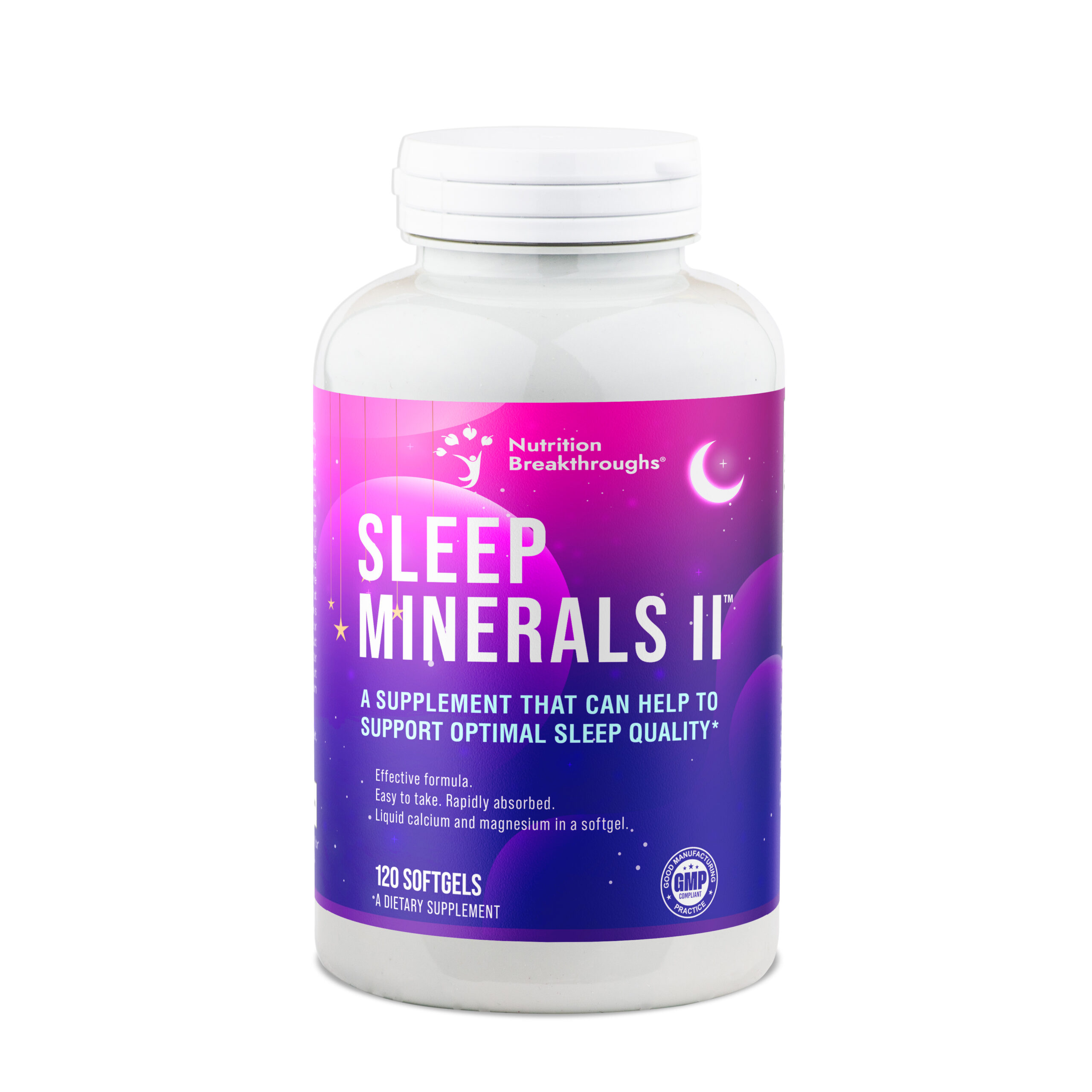
This health news is shared with you by Nutrition Breakthroughs, a provider of nutrition articles and effective natural remedies since 2001. Nutrition Breakthroughs makes the original calcium and magnesium based natural sleep aid Sleep Minerals II. Because the minerals in Sleep Minerals II are in a highly absorbable softgel form, they also help with stress relief, relaxation, restless leg syndrome and more. For more information, visit the Sleep Minerals II page.


References: Rapid recovery from major depression using magnesium treatment – http://www.ncbi.nlm.nih.gov/pubmed/16542786

Vitamin C is an important cofactor for both adrenal cortex and adrenal medulla – http://www.ncbi.nlm.nih.gov/pubmed/15666839

Stress and the neuroendocrine system: the role of exercise as a stressor and modifier of stress – http://www.ncbi.nlm.nih.gov/pmc/articles/PMC2953272/

Pantothenic acid and adrenal function – http://www.altmedrev.com/publications/16/3/263.pdf
Top Natural Headache Remedies Proven Effective

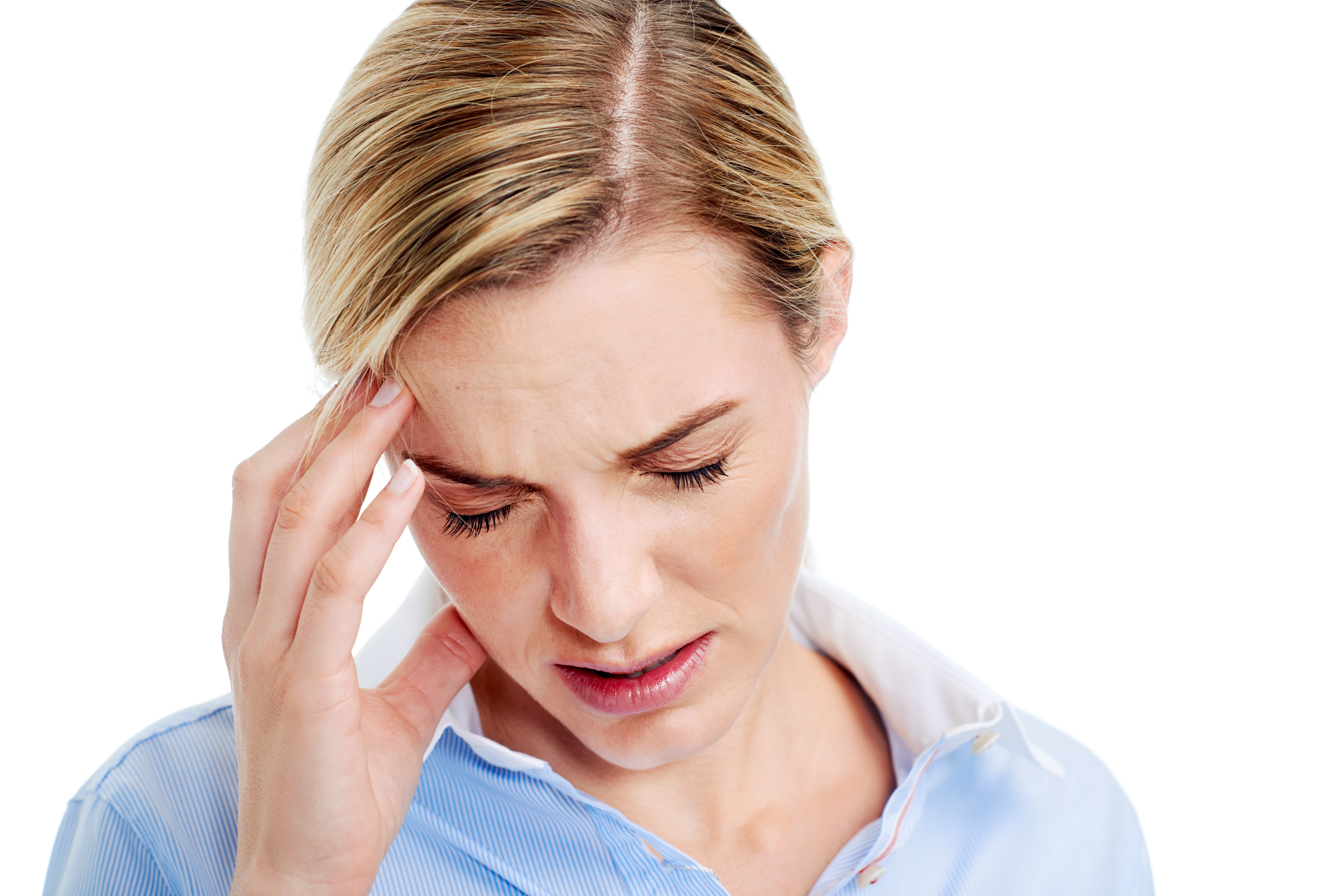
Young businesswoman has splitting headache pain migrainThis news on natural headache remedies is provided by Nutrition Breakthroughs, maker of Sleep Minerals II.

*****************************************

Have you ever experienced a painful headache?

Many people who suffer with the pain of headaches or migraines are reaching out for natural, safe remedies, in order to avoid the side effects that can come with drugs or medications.

A headache is defined as a continuous pain in the head, whether it’s a chronic daily tension headache caused by muscle contractions or it’s a full blown migraine. A migraine is a throbbing, pounding pain that can last from a few hours to a few days. It can come from sensitivity to noise or light and often has an aspect of nausea or stomach upset.

There are a number of natural headache remedies that have been shown in studies to be effective.  Here are some of the most studied ones.

B vitamins

In a study from Griffith University in Brisbane Australia, scientists studied 52 people diagnosed with migraines. They were split into two groups and one half received a daily dose of B vitamins that included 25 milligrams of B6, 2 milligrams of folic acid (vitamin B9), and 400 micrograms of B12,  After six months, there was a significant lessening of migraine disability and symptoms from 60% to 30%. No reduction was seen in the placebo group.

Cayenne

The powerful active ingredient in Cayenne pepper is known as capsaicin. It is known for its ability to remedy pain and inflammation. One study on capsaicin for headache relief was published in the Clinical Journal of Pain. The researchers noted that capsaicin inhibits Substance P in the body, which is a substance that helps transmit pain signals.

Substance P is a part of what creates feelings of pain and capsaicin helps to remove it. The study found that when capsaicin was applied topically to the nasal passages, the participants found relief for headaches, whereas those taking the placebo didn’t. Capsaicin is available as a pill, skin cream or nasal spray.

Gluten free diet

In the quest for natural remedies for headaches, scientists have researched whether or not there’s a connection between migraine headaches and the gluten found in wheat, barley, rye and oats. Gluten is a protein-like substance that gives the dough from grains its elastic texture. One study from the journal “Neurology” discovered that eating a gluten-free diet brought relief from migraines to 9 out of 10 of the participants. This leads to the possibility that foods containing gluten can bring on headaches.

Magnesium

Studies have found that people with migraine headaches have low concentrations of magnesium in their body. The word “cephalalgia” literally means head pain or headache. In a German study of 81 migraine patients published in the journal “Cephalalgia”, 42 percent of the people taking oral magnesium had reduced both the duration and intensity of their migraine attacks. They also reduced their reliance on medications to control migraines.

Natural headache remedies can be a good first defense against headaches and migraines and they can help a person to avoid medications.

This natural health news is shared with you by Nutrition Breakthroughs, a provider of nutrition articles and effective natural remedies since 2001. Nutrition Breakthroughs, makes the original calcium and magnesium based natural sleep aid Sleep Minerals II.

L.R.C. of Massachusetts says: “I had become dependent on sleeping drugs and couldn’t sleep without them. Now I take the Sleep Minerals before bed and I can sleep through the night without drugs. I’m also able to easily fall back to sleep if I do have to get up. Another benefit is this helps alleviate my chronic fatigue and aches and pains.”

For more information on Sleep Minerals II, visit this page.

Reviews of Sleep Minerals II from Nutrition Breakthroughs

Reviews of Sleep Minerals II from Nutrition Breakthroughs

According to the National Sleep Foundation (NSF), almost six out of ten Americans report having insomnia and sleep problems at least a few nights a week.

Insomnia is defined as “An inability to fall asleep or remain asleep long enough to feel rested, especially when the problem continues over time.”

In an effort to combat this, as many as 25 percent of the people in the United States use medications to help them sleep.

Most sleeping pills can have multiple side effects — staying in the bloodstream and giving a hangover effect the next day and beyond. They tend to be addictive, can increase the risk of car and work accidents, and may impair one’s memory and performance on the job and at home.

Sleep Minerals II is the original, drug-free calcium and magnesium based sleep remedy. The minerals are uniquely formulated in a softgel with natural oils, making them highly absorbable. The minerals soothe insomnia and help everyone from older adults, to teenagers, to women with menopause symptoms, and even those with restless leg syndrome, to get a good night’s sleep.

James F. Balch, M.D., author of “Prescription for Nutritional Healing,” writes: “A lack of the nutrients calcium and magnesium will cause you to wake up after a few hours and not be able to return to sleep.”

Alex R. of Ramseur, North Carolina shares his review and says: “Sleep Minerals II has been a blessing for me. It has given me the opportunity to withdraw from a highly addictive sleep medication over time, and has allowed me to sleep while going through this most difficult ordeal. What’s great about it is it doesn’t lose its effectiveness, which is something that happens with medications. I am most thankful for this product.”

Chris M. of the United Kingdom says: “I take one softgel of Sleep Minerals II before bed every night and within 20 minutes I am asleep. The difference in the quality of my sleep and the ease with which I get to sleep using this product is monumental. I have stopped obsessing about sleep or dreading bedtime — I just take a softgel and drift off. If I stop taking them, within a week my sleep starts to lighten in quality, the amount of my sleep diminishes, and my old insomniac patterns reappear.”

Richard P. of Parkville, Maryland says: “The Sleep Minerals are making quite a difference. I was regularly waking at around 3:00 a.m. and after a few days use my sleep improved quite a lot. I wake once a night to go to the bathroom, but the great thing is; I then fall back asleep and sleep several more hours. This has been a great improvement.”

Sadie D. from The Netherlands says: “I am ever so grateful that I discovered Sleep Minerals II after suffering with premenopause and now the real menopausal insomnia.  I felt like I was slowly losing my mind due to the continual lack of sleep.  I can’t express the relief of getting a good night’s sleep and being able to function properly.”

Jill C. of Ellensburg, Washington says: “My husband has been struggling with restless leg syndrome (RLS) his whole life. Coming back from a deployment in Iraq five years ago made his RLS become magnificently worse, creating nightly insomnia. He couldn’t sleep more than three to five hours unless taking an addictive prescribed narcotic, which he became tolerant to and the insomnia came back with no answers. Now he’s been taking Sleep Minerals II for a week and every night has had a great night’s sleep.  We are thrilled.”

Darleen T. of La Mesa, California says: “I purchased Sleep Minerals for my teenage daughter.  When she started on the minerals she hadn’t been sleeping well for the past couple of years.  She was run down and feeling beyond her years… exhausted.  She is only 18.  Once she started on Sleep Minerals she actually became tired at night, which is new. She can fall into a restful sleep by 10:30 p.m. and sleep all night. This product is a heaven send and has given her a life back.”

Tammy M. of Meridian, Idaho says: “I was plagued with insomnia for five years and desperate for a breakthrough. Nothing has helped me more than the Sleep Minerals — I’m so sold on them I could go door to door promoting them.  I’m 60 years old and have never slept so soundly. Thank you for making sleep a reality for so many people.”

This news is provided by Nutrition Breakthroughs.  Since 2001 Nutrition Breakthroughs has provided natural health articles and effective natural remedies.  Their mission is to provide nutritional supplements that get results and help people to avoid drugs and their side effects.

Since 2009, their natural sleep aid Sleep Minerals II has been keeping that promise — by soothing even the worst insomnia with absorbable calcium and magnesium and helping everyone from teenagers, to women with menopause symptoms, to those with restless leg syndrome, to get a good night’s sleep.

For more info on Sleep Minerals II, visit this page.

Top Vitamin E Health Benefits and Foods With It

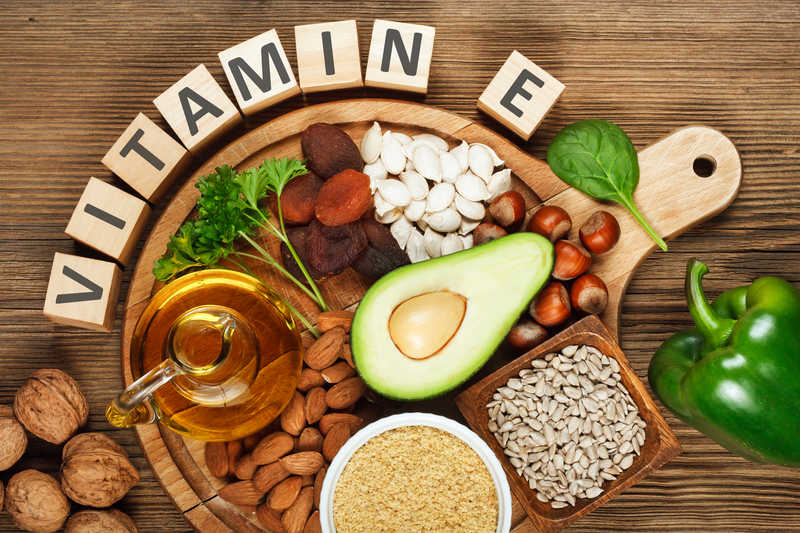
vitamin e foodsVitamin E is a health-giving, disease preventing vitamin that is found in many foods such as almonds, leafy greens, sunflower seeds, eggs, sweet potatoes, avocados, olive oil and rice bran oil.

Studies are showing that vitamin E health benefits include strengthening the heart, assisting in preventing eye disease, boosting immune function and enhancing muscle health.  A stronger heart and immunity can also support better sleep and help remedy insomnia.

The top three antioxidant vitamins are Vitamin E, C and A. An “antioxidant” is a nutrient that counteracts and neutralizes the harmful effects of oxygen in the body. These “oxidative” effects contribute to aging and disease and are caused by an unhealthful diet, air pollution, smoking, drinking, and also by the normal processes of digestion and metabolism.

Vitamin E is a key player in the fight for a healthy heart. A study from the New England Journal of Medicine found that men who consumed higher amounts of vitamin E had a lower risk of heart disease. This benefit occurred with 60 to 100 international units (IU) per day, although the amount often used for disease prevention is 400 IU daily.

The health of the red blood cells is vital as they carry oxygen from the lungs to the rest of the body. In a study from the journal “Nutrition Research”, the breakdown of red blood cells was decreased by 38% in adults that took 300 milligrams of vitamin E daily for four months. Levels of vitamin E in the blood increased significantly and cellular oxygen stress was lowered by 47%.

The University of Hong Kong did a study on how vitamin E benefits immunity, which showed that there’s a specific requirement for vitamin E in immune cells. The vitamin was demonstrated to strengthen immunity and help immune cells to flourish.

Vitamin E health benefits for sleep were discovered in a recent study from the journal of Gynecologic and Obstetric Investigation.  It was found to be a natural alternative to estrogen therapy and an effective remedy for hot flashes and night sweats.

The researchers found there were significant improvements in the hot flash severity score after women took a 400 IU vitamin E (in a softgel cap) daily for 4 weeks. They concluded that vitamin E is recommended for the treatment of hot flashes, which for many menopausal women is great news and an effective aid to better sleep.

Another aspect of vitamin E is that it has the potential for preventing or delaying prostate cancer in men, according to the book “Vitamin E: New Research”.

It isn’t surprising that Vitamin E is vital to the health of the muscles and enhances the ability to exercise, because the heart is essentially muscle tissue and vitamin E is known to strengthen it.

In a study from the Medical College of Georgia, it was found that exercise causes muscle cells to burn a lot more oxygen than usual, causing “oxidative” stress in muscles.  Their finding was that vitamin E is essential to rapid muscle cell membrane repair and it can also help to prevent muscle-wasting diseases.

Vitamin E foods such as nuts, leafy greens, sunflower seeds, eggs, sweet potatoes, avocados, olive oil and rice bran oil are great ways to get more of it, and vitamin E supplements are also beneficial to overall health.

This natural health news is provided by Nutrition Breakthroughs, a provider of health articles and effective natural remedies since 2001. Nutrition Breakthroughs makes the original calcium and magnesium based natural sleep aid Sleep Minerals II, which contains highly absorbable forms of calcium, magnesium and vitamin D, formulated in a base of vitamin E-rich rice bran oil.

Richard P. of Parkville, Maryland says: “The Sleep Minerals are making quite a difference. I was regularly waking up at around 3:00 a.m. and after a few days use my sleep improved quite a lot. I wake up once a night to go to the bathroom, but the great thing is, I then fall back asleep and sleep several more hours. This has been a great improvement.”

For more information on Sleep Minerals II visit this page.

Hot Flashes, Night Sweats: Sage Leaf Effective

Sage leaf is a delicious herb used in cooking, particularly with poultry and pasta sauces, and it has a long history of use for medicinal purposes.

It belongs to the mint family, along with oregano, rosemary and thyme.

It’s been used by herbalists to treat sore throats, strengthen the nervous system and improve brain function. The German Health Commission officially approved the use of sage for excessive sweating and one German study found sage to reduce excessive perspiration by 50%. Sage leaf is also a well-researched remedy for hot flashes and night sweats in menopause.

In a breakthrough study from Switzerland, researchers examined the use of a fresh sage preparation for treating hot flashes and other menopause symptoms in women. The women were an average age of 56, they were menopausal for at least 12 months, and they experienced 5 or more hot flashes per day. The women took a daily tablet of fresh sage leaves for 8 weeks.

The average number of hot flashes decreased considerably each week from week 1 to week 8. Mild hot flashes decreased by 46%, moderate flashes decreased by 62%, severe hot flashes decreased by 79%, and very severe ones decreased by 100%. The Swiss researchers concluded that fresh sage has great value in the treatment of hot flashes and other related menopause symptoms.

Italian scientists have also taken an interest in studying sage for women at menopause. They set out to study the effects of a combination of sage and alfalfa leaves on symptoms such as hot flashes, night sweats, insomnia, dizziness, headaches and heart palpitations.

The Italian study lasted for three months and followed thirty menopausal women who took a sage and alfalfa supplement daily. At the end of the study, hot flushes and night sweats had completely disappeared in twenty of them and the others had reduced symptoms – making the combination of sage and alfalfa an effective remedy for menopause discomforts.

The minerals calcium and magnesium have also been the subject of studies on hot flashes. One study from the Virginia University Health System found that magnesium supplements reduced hot flash frequency in women from 52 to 28 per week — a 41% reduction.

One natural sleep aid with benefits for hot flashes is Sleep Minerals II from Nutrition Breakthroughs. This softgel formula contains highly absorbable forms of calcium and magnesium, the best minerals for sleeplessness and insomnia, as well as for hot flashes, night sweats, heart health, restless legs syndrome, bone strength, teenage insomnia and menopause insomnia.

Anita L. of New Caney, Texas says: “I was having hot flashes every 30 minutes to an hour through the night and was so miserable. After about two weeks of taking the Sleep Minerals, I noticed an incredible difference with my sleep. I have much less interruption from flashes, I’m sleeping much better and I’m a lot more comfortable.”

Natural menopause remedies such as sage, alfalfa, calcium and magnesium are healthy options for women with hot flashes and insomnia. For more information on Sleep Minerals II visit this page.

Magnesium Foods: Remedy Insomnia and Pain

Magnesium deficiency is very common these days.  A recent government study shows that 68% of Americans do not consume the recommended daily intake of magnesium, which is 400 milligrams per day.

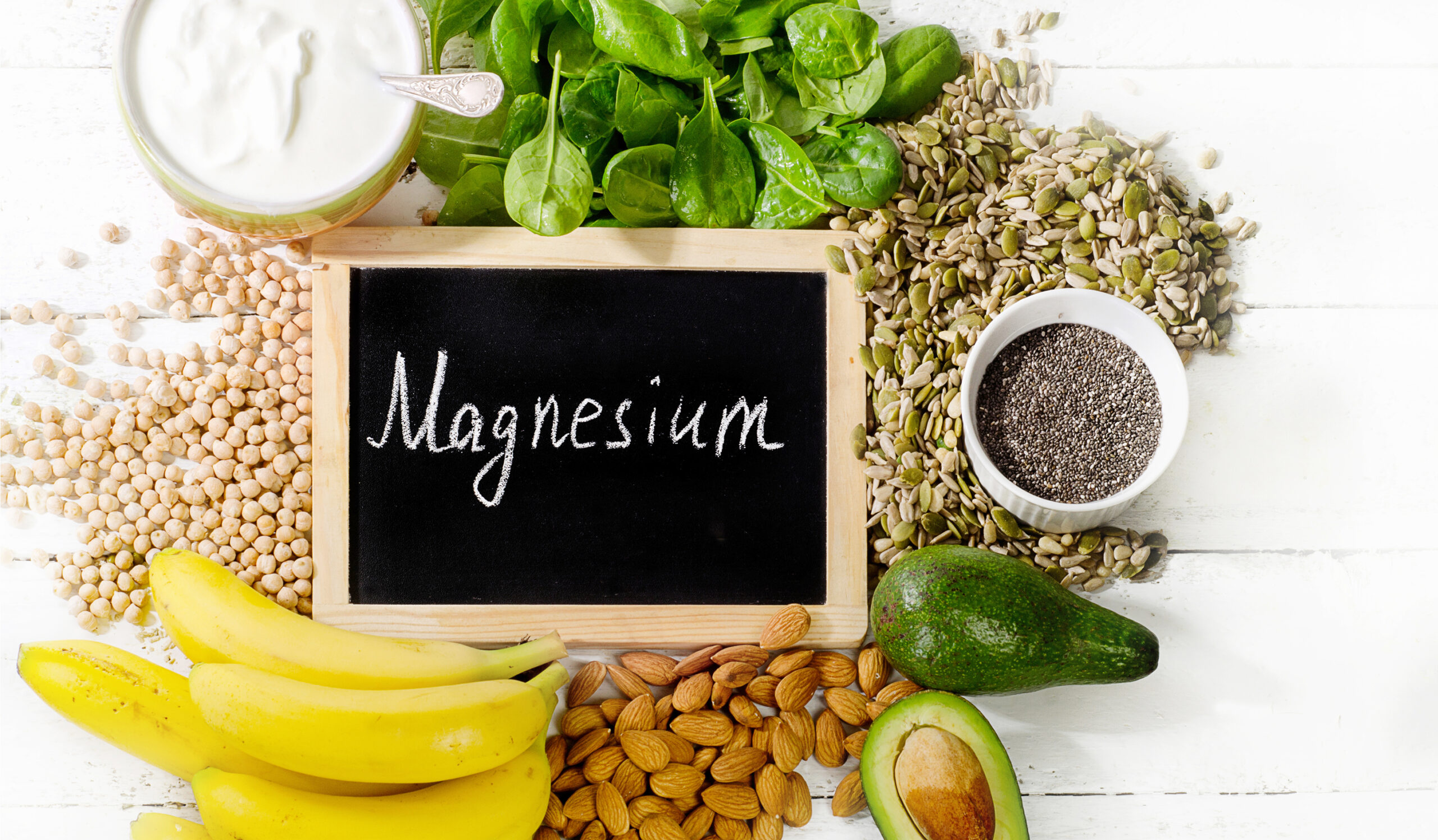
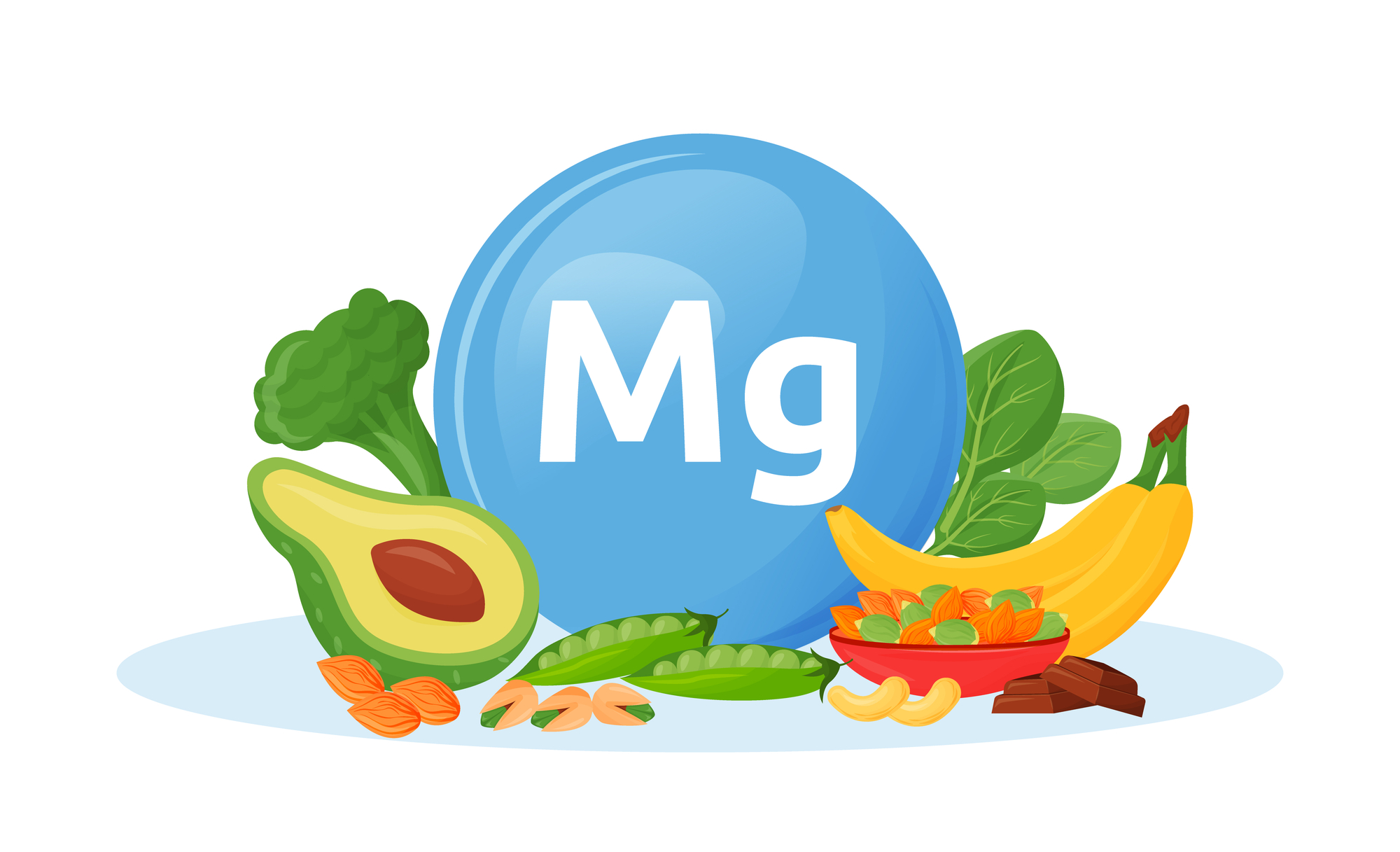
Magnesium can be found in foods such as green leafy vegetables, black beans, pumpkin seeds, almonds, avocados, figs, bananas, brown rice, and other beans, nuts and seeds. Magnesium supplements are a good option as well, particularly those containing magnesium citrate which is very absorbable.

Sidney Baker, M.D., a practicing doctor with a special interest in the nutritional aspects of chronic health problems says: “Magnesium deficiency can affect virtually every organ and system of the body. One may experience muscle twitches, cramps, soreness, back aches, neck pain, tension headaches, and fatigue or weakness.”

Studies show that magnesium can soothe insomnia, support heart health, normalize blood sugar, relieve headaches and ease menopause symptoms.  In one study from the University of Iran, people with insomnia were given magnesium tablets twice a day for eight weeks.  They experienced significant increases in quality sleep time, with less night time interruptions and fewer early morning awakenings.

Magnesium can help prevent diabetes.  Researchers at the Harvard School of Public Health evaluated the dietary intake of specific nutrients for more than 85,000 women and 42,000 men.  They found that the men and women whose diets included the largest amounts of magnesium were the least likely to develop type 2 diabetes.  Most of the participants consumed magnesium through foods, such as whole grains, nuts and green leafy vegetables.

Studies have found that people with migraine headaches have low concentrations of magnesium in their body. The word “cephalalgia” literally means head pain or headache. In a German study of 81 migraine patients published in the journal “Cephalalgia”, 42 percent of the people taking oral magnesium reduced both the duration and intensity of their migraine attacks. They also reduced their reliance on medications to control migraines.

One supplement shown to be helpful for insomnia and pain is Sleep Minerals II from Nutrition Breakthroughs. This formula contains highly absorbable forms of calcium citrate and magnesium citrate, the best minerals for sleeplessness and insomnia, as well as for heart health, aches and pains, bone strength and menopause insomnia.

Sleep Minerals II also includes vitamin D and zinc and is delivered in a softgel form with healthy carrier oils, making it more quickly absorbable than tablets or capsules and providing a deeper, longer-lasting sleep.

L.R.C. of Massachusetts says: “I had become dependent on sleeping drugs and couldn’t sleep without them. Now I take the Sleep Minerals before bed and I can sleep through the night without drugs. I’m also able to easily fall back to sleep if I do have to get up. Another benefit is it helps alleviate my chronic fatigue and aches and pains.”

For more information, visit the Sleep Minerals II page.

Studies: Magnesium Benefits Insomnia, Hot Flashes, Heart

magnesium benefitsStudies: Magnesium Benefits Insomnia, Hot Flashes, Heart and Bones

What qualities make magnesium such an essential mineral, required by the body for literally hundreds of its functions?

One key feature of magnesium is that it’s a partner or “co-factor” with enzymes that allows them to do their work.

Enzymes are energized protein molecules that initiate chemical reactions inside the cells – orchestrating life’s processes in every organ, gland, tissue and cell.

Research studies are finding that magnesium affects over 300 processes in the body, relaxes muscles and nerves, and helps insomnia, hot flashes, heart health, bone strength, diabetes, migraine headaches and more.

According to the Human Nutrition Research Center of the U.S. Dept. of Agriculture, one of the main symptoms of magnesium deficiency is chronic insomnia, restless sleep and frequent awakenings during the night. In one of their studies, a diet high in magnesium contributed to deeper sleep with fewer interruptions.

Another study from the University of Medical Sciences in Iran was done with 46 adults who were experiencing insomnia. Two magnesium tablets twice a day (250 mg. each) resulted in significant increases in sleep time and reduced cortisol levels in the body, which is a stress hormone that can keep people awake.

Hot flashes and night sweats are common symptoms of premenopause and menopause. Regarding magnesium for menopause, a study was done at the Virginia University Health System. Women who experienced hot flashes many times per week received 400 milligrams of magnesium for 4 weeks — increasing to 800 milligrams per day if needed. At the end of the study, the magnesium supplements had reduced their frequency of hot flashes by half. Fatigue, sweating, and distress were also significantly reduced.

Magnesium is also magnificent for the heart. In a study from the American Journal of Clinical Nutrition, research scientists examined data from thousands of women over the course of a 26-year follow up period. The women who consumed the highest amounts of magnesium had a 34% reduced risk of sudden cardiac death. Another study from the journal “Circulation” found that magnesium supplements allow people with heart disease to exercise for longer times and it actually helps repair the ability of blood vessels to open up.

Supplements with well-absorbed forms of magnesium are becoming increasingly popular for those with insomnia. One of the more effective sleep aids is Sleep Minerals II from Nutrition Breakthroughs. It contains calcium and magnesium in combination with vitamin D and zinc. The minerals and vitamins are formulated in a softgel with healthy oils; creating a creamy paste inside that results in quick absorption and a deeper, longer-lasting sleep.

Kimberly B. of Troy, Michigan says: “I have been taking Sleep Minerals II for about a month now. I have tried everything out there and this supplement is amazing. I have suffered with insomnia for 2 1/2 years. I have also had restless leg syndrome my entire life and this is the first relief I’ve ever had…gone for a month now.”

Magnesium is one of the super-heroes of natural remedies. This health news is shared by Nutrition Breakthroughs, maker of the original calcium and magnesium based sleep aid Sleep Minerals II. For more information on the many benefits of magnesium and calcium, visit the Sleep Minerals II page.

The Top Vitamin C Foods — Studies Show Many Benefits

vitamin c foodsGreetings to you,

Vitamin C is a vital nutrient for health. Although most animals can make vitamin C from scratch, humans have lost the ability and must get it from food, chiefly fresh fruits and vegetables. Recent research studies are showing many health benefits for vitamin C.

Some of the top sources of vitamin C foods are strawberries, tomatoes, cherries, guavas, parsley, bell peppers, citrus fruits, broccoli, cabbage, cauliflower and white potatoes.

Vitamin C helps maintain blood vessels, strengthens bones and teeth, heals wounds, fights infections, and supports heart and eye health.  Vitamin C is a key player in the production of collagen, which is the most abundant protein in the body and is a component of muscle, joints, bone, skin, hair and nails.

The daily value (DV) of vitamin C is 60 milligrams. Daily values are developed by the U.S. Food and Drug Administration to help people determine how much they should take of vitamins and minerals. However, Nobel Prize winner Linus Pauling, famous for his work with high levels of vitamin C for disease, suggests higher levels.

According to a study from the American Journal of Clinical Nutrition, recent scientific evidence indicates an increased intake of vitamin C is associated with a reduced risk of chronic diseases such as cancer, cardiovascular disease and cataract, probably through antioxidant mechanisms.

An antioxidant is a nutrient that counteracts the harmful effects of oxygen in the body. An unhealthful diet, as well as the normal processes of digestion and metabolism, can produce excess oxygen which contributes to aging and disease. The key antioxidants are vitamin C and vitamin E.

A Scandinavian researcher conducted a review of 21 studies that tested between 1 and 8 grams (1,000 to 8,000 milligrams) of Vitamin C for the common cold. He concluded that “in each of the twenty-one studies, Vitamin C reduced the duration of the cold and the severity of the symptoms by an average of 23%. Even much lower amounts of vitamin C such as 100 milligrams have been found to be beneficial.

Cataracts are an eye condition where the clarity is reduced in the lens, resulting in blurred vision. Research was recently published in an eye health journal which found that high daily intakes of fruit and vegetables provided greater blood levels of vitamins C and E and decreased the frequency of cataract and cataract surgery.

According to the Linus Pauling Institute, two observational studies discovered that vitamin C from the diet is associated with better skin appearance, with significant decreases in skin wrinkling. In addition, using topical applications of vitamin C in a skin cream for several months has been shown to increase the production of collagen in skin, reduce signs of skin roughness and reduce wrinkling.

This news is shared with you by Nutrition Breakthroughs, provider of natural health articles and effective natural remedies since 2001. Nutrition Breakthroughs makes original calcium and magnesium based sleep aid, Sleep Minerals II.

Fruit and Vegetable Colors that Boost Health

vegetable colorsGreetings to you,

There are an incredible amount of health benefits from eating plant nutrients, also known as phytonutrients.  These are the special fruit and vegetable colors that are the source of their power to improve and boost our health.

Regarding red colored fruits, a study from the American Journal of Clinical Nutrition showed that the pomegranate reduces cholesterol and improves heart health.

The red pigment in tomatoes, known as lycopene, has been shown in studies from the Journal of Nutrition to help protect against heart disease, lower cholesterol, and reduce inflammation for a stronger immune system.

Greens strengthen the eyes and support the bones. According to the University of Illinois, broccoli supports bones with its high content of vitamin K and calcium.

Carrots, pumpkins and yams contain orange pigments that are rich in vitamin A, a nutrient known to boost immune function and prevent infectious diseases.

This news on the power of vegetable colors is shared by Nutrition Breakthroughs, a provider of natural health articles and beneficial natural remedies since 2001. They provide effective natural sleep aids and natural joint and pain relief products.

To your good health,

Jobee Knight
Nutrition Breakthroughs

Reviews of Sleep Minerals II for Restless Leg Syndrome

Restless leg syndrome (RLS) is a form of insomnia characterized by an overwhelming urge to move the legs when they are at rest, especially during sleep. Recent research studies have found that people with restless leg syndrome are deficient in the mineral magnesium.

Those who have restless leg syndrome experience unpleasant sensations in the legs described as creeping, crawling, tingling, pulling or painful. People with RLS often experience chronic insomnia and sleeplessness due to the strong urge to walk or do other activities to relieve the sensations in their legs at night.

In one study from the Romanian Journal of Neurology, researchers conducted tests in people with RLS. They found agitated sleep and frequent periods of night time awakenings, with a decrease of the deeper “rapid eye movement” (REM) sleep – also found in other forms of insomnia caused by magnesium deficiency.

Sleep Minerals II is a drug-free, calcium and magnesium based sleep aid that is one of the more effective restless leg syndrome remedies. The minerals are uniquely formulated in a softgel with natural oils, making them more highly absorbable than tablets or capsules. The formula soothes insomnia and helps everyone from older adults, to teenagers, to women with menopause symptoms, and even those with restless leg syndrome — to get a good night’s sleep.

Kimberly B. of Troy Michigan says: “I have been taking Sleep Minerals II for about a month now. I have tried everything out there and this supplement is amazing. I have suffered with insomnia for two and a half years and have had restless leg syndrome my entire life. This is the first relief I’ve ever had…it’s gone for a month now.”

J.M. of Florida says: “My restless legs were so bad that after 5:00 p.m. I could hardly sit down for two minutes without my legs moving. After taking the Sleep Minerals II for a while, my restless leg syndrome is greatly diminished and I’ve noticed I’m getting more and more sleep.”

Anne and Bob B. of El Dorado Hills, California says: “We find the Sleep Minerals very helpful for my husband’s restless leg syndrome. He does not do well on many medications and the drug the doctor prescribed for this was full of bad side effects. Out of pure desperation, I researched the internet and came up with an article about Sleep Minerals II and decided to try them. They have been wonderful. Bob continues to sleep much better and with very little, if any, movement in his legs.”

Valerie. H. in Santa Clarita, CA. says: “I had such bad menopause insomnia that I couldn’t fall asleep.  It took me hours to get to sleep even though I was very tired.  I also had creepy crawly feelings in my legs at night.  I got the Sleep Minerals II and started taking it.  I fall asleep now within 20 minutes and no more restless legs.”

Jill C. of Ellensburg, Washington says: “My husband has been struggling with restless leg syndrome his whole life. He couldn’t sleep more than three to five hours unless taking an addictive prescribed narcotic, which he became tolerant to and the insomnia came back with no answers. Now he’s been taking Sleep Minerals II for a week and every night has had a great night’s sleep.  We are thrilled.”

This news is shared by Nutrition Breakthroughs, a provider of natural health articles and effective remedies since 2001. Its mission is to provide nutritional supplements that get results and help people to avoid drugs and their side effects.  Since 2009, their natural sleep aid Sleep Minerals II has been keeping that promise – by soothing even the worst insomnia with absorbable forms of calcium and magnesium.

For more info on Sleep Minerals II, visit this page.