
Fun Facts on Nutrition You’d Never Guess! – Issue #7

fun facts on nutritionHello, food lovers. It’s time for another exciting edition of “Fun Facts on Nutrition You’d Never Guess.”  Prepare to be delighted by some intriguing and entertaining facts about the foods we enjoy. Let’s get started!

1. Almonds Are Seeds, Not Nuts

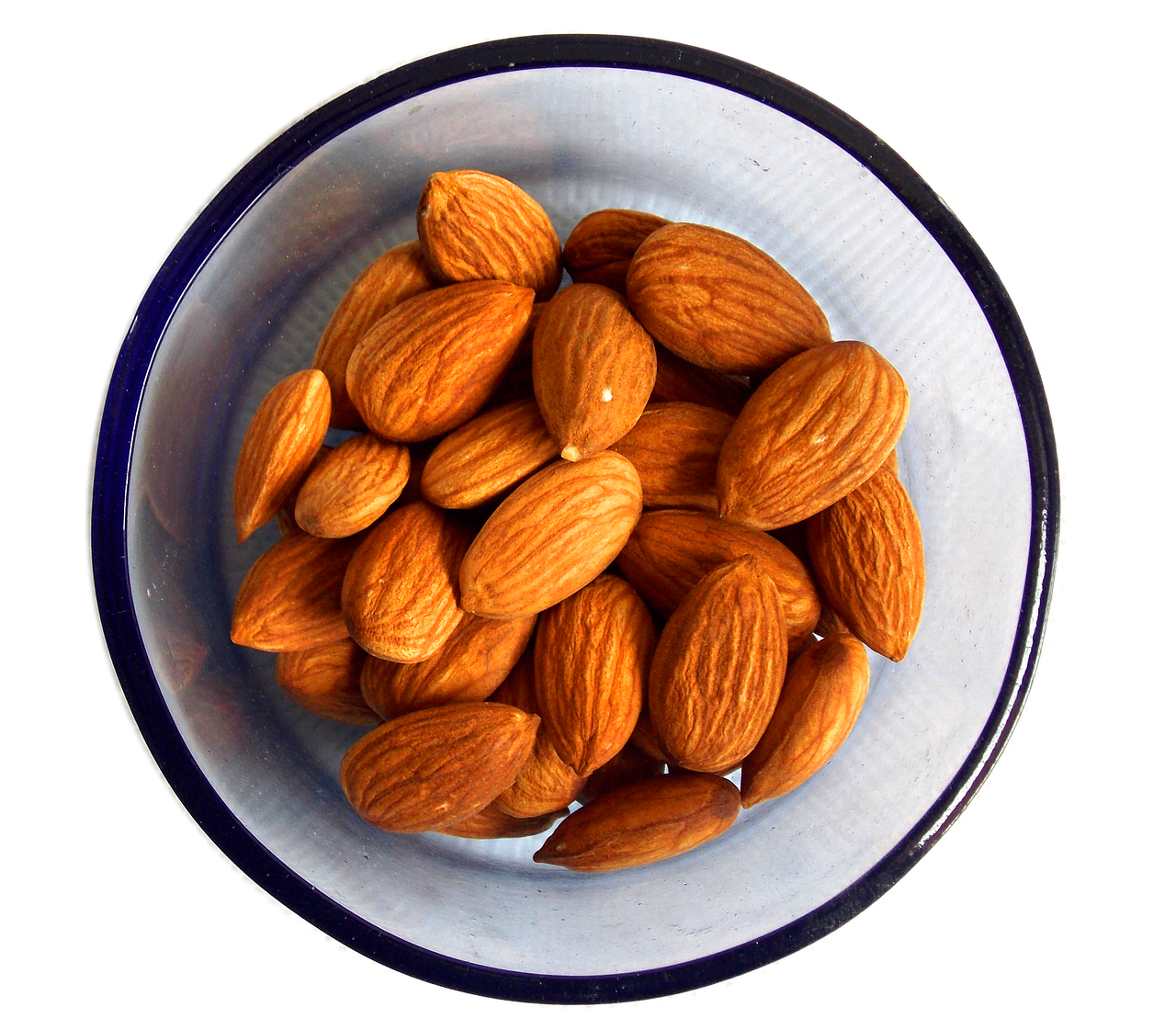
Despite being commonly referred to as nuts, almonds are actually seeds of the fruit of the almond tree. They are packed with healthy fats, protein, fiber, and vitamin E, making them a nutritious snack. Almonds also contain magnesium and have also been proven to reduce overall hunger and not affect body weight when eaten.

Reference: A study published in the European Journal of Clinical Nutrition.

  1. Eggplants Are Technically Berries

Eggplants, also known as aubergines, are technically classified as berries. They belong to the nightshade family, along with tomatoes and potatoes. Eggplants are rich in fiber, vitamins, and antioxidants.  The main antioxidants for good health are vitamins E, A and C.  Foods with these nutrients can protect the body from unstable molecules that contribute to aging and disease.  So, enjoy some eggplant as a nutritious addition to your diet.

Reference: Raigón, M. D., (2008). Influence of organic and conventional cultivation methods on compounds and mineral content of eggplant fruits. Journal of Agricultural and Food Chemistry.

  1. Red Bell Peppers Have More Vitamin C Than Green Ones

Red bell peppers are simply ripened green peppers, and they contain significantly more vitamin C.  A single red bell pepper can provide up to three times the daily recommended intake of vitamin C (the recommended daily allowance of vitamin C is about 80 milligrams).  Red bell peppers can boost the immune system and enhance skin health, as vitamin C helps the body make collagen.

Reference: Marin, A. (2004). Profile of compounds in green and red peppers  grown in different types of soil. Journal of the Science of Food and Agriculture.

  1. Pine Nuts Come from Pine Cones

Pine nuts are the edible seeds of pine trees, and they are actually found inside pine cones. Extracting them is quite labor-intensive, which is why they can be pricey. These little seeds are packed with protein, healthy fats, and magnesium.

Reference: Evaristo, I. (2010). Pine nuts: A review of recent clinical research.

Fun and Health Go Hand-in-Hand

Isn’t nutrition fascinating? From the hidden pine nut to the berry-like eggplant, these fun facts on nutrition highlight the amazing world of food.  We will continue to bring you more of these surprising and inspiring facts to help you on your journey to healthier eating. Stay tuned and happy munching!

About Nutrition Breakthroughs

This natural health news is shared by Nutrition Breakthroughs, maker of the original and effective calcium and magnesium based sleep aid Sleep Minerals II, and Joints and More, a natural supplement for joint relief, less aches and pains, stronger hair and nails, and more energy.
Sleep Foods: Almonds Contain Melatonin and Magnesium for Better Sleep

sleep foodsIn the quest for a good, restful night’s sleep with less tossing and turning, people are reaching out to learn more about natural sleep aids and sleep-inducing foods.

At the top of many sleep foods lists are almonds – a healthy food that’s high in two of the best-known sleep substances – magnesium and melatonin.

Melatonin is a hormone that’s produced by a gland located in the center of the brain. At night or in the dark, this gland naturally releases melatonin to regulate the sleep cycle. A recent study appeared in the journal Nutrients called Dietary Sources of Melatonin.

The researchers in this study say that in the realm of plant foods, nuts contain the highest amount of melatonin.  Almonds, walnuts and pistachios have good amounts of it.  The study goes on to say it’s a proven fact that melatonin concentration in human blood can significantly increase after a person eats some melatonin-containing food.

Almonds are a special nut as they contain the highest magnesium levels. One ounce of almonds, which is about a handful or 23 nuts, contains 80 milligrams of magnesium.  This is 20% of the suggested daily value of 400 milligrams.

Magnesium has the ability to promote sleep and this is thought to be linked to its actions in lessening inflammation in the body.  In a study from the University of Medical Sciences in Iran, research was done with 46 adults who were experiencing insomnia. Taking two magnesium tablets twice a day resulted in significant increases in sleep duration and reduced cortisol levels in the body.  Cortisol is a stress hormone made by the adrenal glands that can keep people awake.

A study on almonds as a sleep food for animals was reported in the Journal of Natural Medicine.  A water-based extract of almonds was used in the study.  With the almond extract, the scientists observed a significant prolongation of total sleeping time as well as significant increases in the deepest levels of sleep. The results suggest that a water-based extract of almond has significant sedative effects, which may support its therapeutic use for insomnia.

To increase magnesium in one’s diet, almonds can be eaten as a snack before bedtime and may also be used in any recipe that calls for walnuts, pecans or other nuts.  Some ideas are to include them in granola mixtures, baked goods, fruit salads, vegetables and yogurt.  Soaking raw almonds in a bowl of water overnight and drying them in the oven at low heat is known to increase their nutritional value and help with digestion, however this isn’t necessary in order to enjoy their benefits.

One magnesium-based supplement shown to be effective for insomnia is Sleep Minerals II from Nutrition Breakthroughs.  This formula contains highly absorbable forms of magnesium and calcium, which are the best minerals for sleeplessness and insomnia, as well as for menopause insomnia, teenage insomnia, heart health, restless legs syndrome and bone strength.

Sleep Minerals II also includes vitamin D and zinc and is delivered in a softgel form with healthy carrier oils, making it more quickly absorbable than tablets or capsules and providing a deeper, longer-lasting sleep.

Tammy M. of Meridian, Idaho says: “I was plagued with insomnia for five years and desperate for a breakthrough. Nothing has helped me more than Sleep Minerals II – I’m so sold on them I could go door to door promoting them.  I’m 60 years old and have never slept so soundly.”

Richard P. of Parkville, Maryland says: “The Sleep Minerals are making quite a difference.  I was regularly waking up at around 3:00 a.m. and after a few days use my sleep improved quite a lot. I wake up once a night to go to the bathroom, but the great thing is, I then fall back asleep and sleep several more hours.  This has been a great improvement.”

A healthy plan for good sleep is to make good use of magnesium-rich foods such as almonds and also include an effective magnesium and calcium supplement for natural relief of sleeplessness.

This health news is provided by Nutrition Breakthroughs, a publisher of nutrition articles and supplier of effective natural remedies since 2001. Nutrition breakthroughs makes Sleep Minerals II, the effective natural sleep aid with calcium, magnesium, zinc and vitamin D, and also Joints and More, the natural solution for joint relief, aches and pains, stronger hair and nails and more energy.

Study Shows Snacking on Almonds Reduce Hunger and Adds Vitamin E


almonds reduces hungerA recent study published in the European Journal of Clinical Nutrition has found that eating 1.5 ounces of lightly salted, dry-roasted almonds each day (about 35 almonds) reduce overall hunger, does not affect body weight, and helped the participants to meet their ideal daily intake of Vitamin E.

With the majority of Americans eating more and more snacks, it’s a great thing to find a snack that doesn’t result in weight gain and that also provides nutritional benefits.

The test divided the 137 people into five groups: One group ate no nuts or seeds, another group ate almonds with breakfast, another ate them with lunch, the next group ate them alone as a mid-morning snack, and the last group ate them as a mid-afternoon snack.

An interesting aspect of the study is that the participants were people with a higher risk of type 2 diabetes.  Eating almonds lowered their blood sugar levels after meals, especially for the in between meal “snack” groups.  When consumed as snacks, the almonds reduce hunger even at regular meals.

Richard Mattes, PhD, professor of nutrition science at Purdue University and the lead researcher of the study says: “This research suggests that almonds may be a good snack option, especially for those concerned about weight.”  The study shows that almonds can increase healthy fat and Vitamin E intake, while avoiding weight gain, despite the increase in calories from eating them.

This news is provided by Nutrition Breakthroughs, maker of the effective natural sleep aid Sleep Minerals II.