
Hungry in the Night? Blood Sugar Dips Affect Sleep

blood sugar dipsSleep quality is influenced by more than just bedtime routines. One often overlooked factor is blood sugar fluctuations at night. Glucose is the body’s fuel for all of  its cells and it travels through the blood – so it has become known as “blood sugar.”

Your body naturally experiences a drop in glucose during the early sleep period, and sometimes in the middle of the night.  For some people, especially those sensitive to blood sugar changes, this dip can trigger waking, restlessness, or lighter sleep stages.

When blood sugar drops too low, the body can release stress hormones, such as adrenaline and cortisol, to stabilize glucose levels. These hormones can disrupt sleep and make it harder to achieve deep, restorative rest.

Over time, repeated nighttime awakenings due to blood sugar dips can lead to chronic fatigue, irritability, and even increased risk for metabolic disorders.

How to support stable blood sugar overnight:

  1. Evening snacks: A small snack combining protein and complex carbohydrates, like a slice of whole-grain toast with almond butter or Greek yogurt with berries, helps maintain steadier blood sugar levels.
  2. Meal timing: Eating dinner at consistent times each evening helps the body anticipate blood sugar patterns and reduces sudden dips.
  3. Minerals for balance: Magnesium and zinc help regulate glucose metabolism and insulin function, which in turn supports stable nighttime blood sugar.
  4. Limit sugar at night: High-sugar desserts late in the evening can trigger spikes and crashes, causing more wakefulness.

Other lifestyle factors also play a role. Getting outside for light exposure, regular activity during the day, and stress management help keep your body’s internal clock aligned, making your blood sugar patterns more predictable and sleep more restorative.

References:

  • Magnesium and sleep: Nutrients Journal, 2012
  • Zinc and glucose metabolism: Journal of Trace Elements in Medicine and Biology, 2014

FAQ:

Q1: Are snacks always necessary before bed?
A2: Only if your blood sugar tends to dip or if your dinner was early. Choose balanced, nutrient-rich options.

Q2: Can supplements help?
A3: Magnesium or zinc supplements may help maintain steady blood sugar and support deeper sleep.

This natural health news is provided by Nutrition Breakthroughs, a publisher of nutrition articles and supplier of effective natural remedies since 2002. Nutrition Breakthroughs makes Sleep Minerals II, the original drug-free mineral formula for better sleep with calcium, magnesium, zinc and vitamin D.

⭐ ⭐ ⭐ ⭐ ⭐ Julianne H. of Canada says: “I continue to tell my friends about how Sleep Minerals II has changed my life. I am fully retired now but still remember driving to work and wondering if I would make it there due to sleep deprivation.”

“And the debilitating leg cramps that used to occur every night have now become history. My legs were sore even into the next day. It’s great to be sleeping so much better, no more sore legs, and my calcium levels are being kept constant.”


Magnificent Magnesium Benefits: Skin, Hair, Nails, Good Sleep

magnesium benefitsThis health news is provided by Nutrition Breakthroughs, maker of the effective natural sleep aid Sleep Minerals II
—————————————————–
Greetings to you,

In the pursuit of overall well-being, magnesium shines as a powerful superhero. Its many proven magnesium benefits include enhancing both our internal health and our external beauty.

This essential mineral plays a crucial role in over 300 processes in the body, and scientific studies highlight its remarkable impact on skin, hair, nails, and good sleep.  Let’s see how magnesium benefits can contribute to a radiant appearance and restful slumber.

Magnesium and Skin Health

Our skin, the largest organ, serves as a reflection of our internal health. Magnesium, with its anti-inflammatory properties, aids in maintaining a clear complexion and reducing acne. A study published in the Journal of Clinical and Aesthetic Dermatology found that a magnesium-based cream significantly improved inflammatory and non-inflammatory acne lesions.

Magnesium also supports the skin’s natural barrier function, preventing moisture loss and promoting hydration.  A study titled “Skin Minerals: Key Roles of Mineral Elements in Skin Functions,” reports that magnesium regulates the maintenance of skin tissue and its moisture.  It emphasizes its roles in skin health and in fighting against skin aging.

Magnesium for Silky Hairmagnesium benefits

Have you ever desired to have luxurious, silky hair? Magnesium might be the secret ingredient you’ve been missing. Research published in the Biological Trace Element Research journal suggests that magnesium deficiency may contribute to hair loss.

Magnesium plays a vital role in maintaining the health of hair follicles (the cells that surround the root of a hair), and supporting the production of keratin — the protein responsible for strong and vibrant hair.

In addition to preventing hair loss, magnesium contributes to improved hair texture and strength. Another study found that magnesium supplementation resulted in a significant reduction in hair breakage and increased hair elasticity.

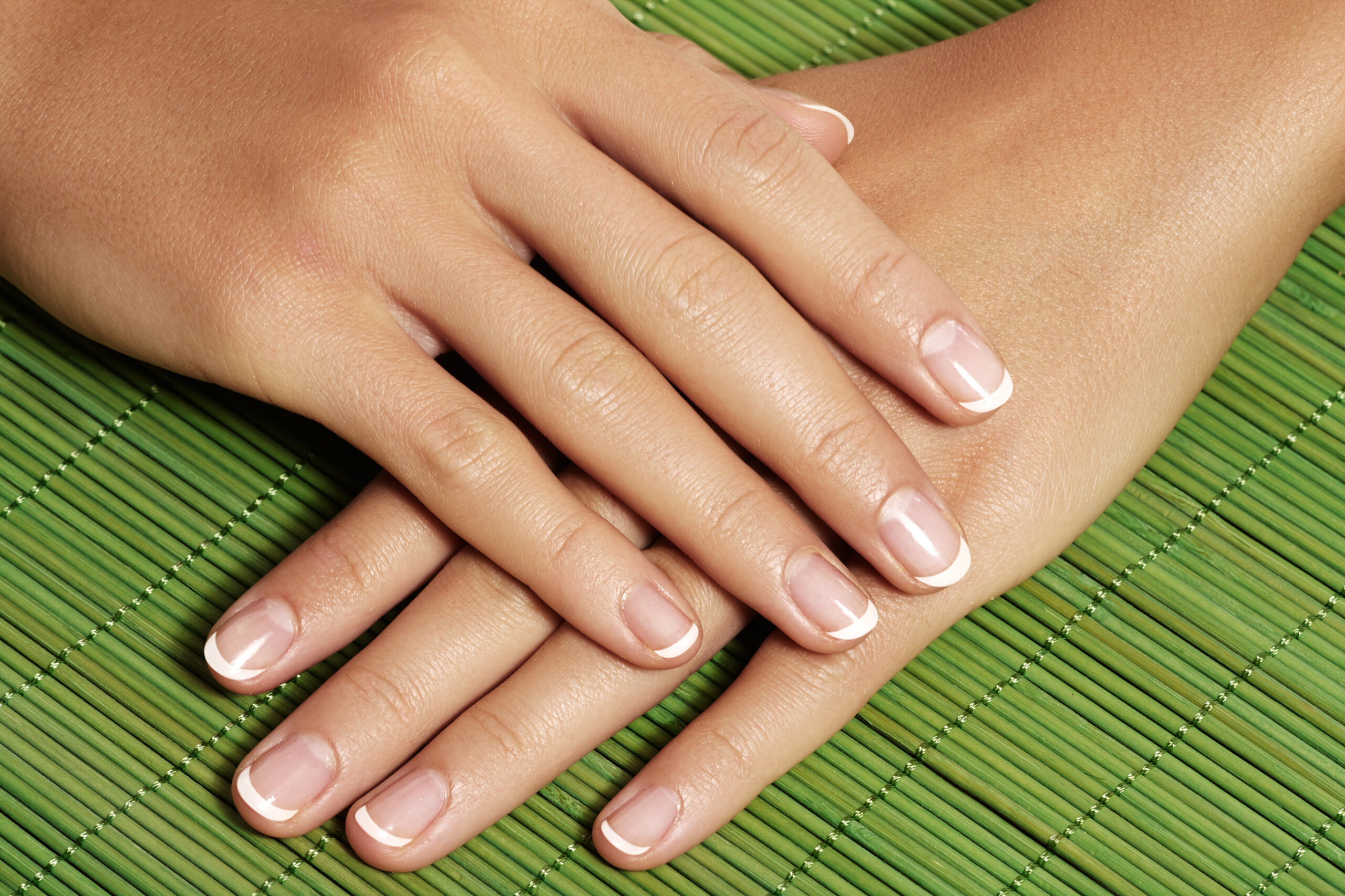
magnesium benefitsMagnesium and Strong Nails

Brittle nails can be a telltale sign of nutritional deficiencies. Magnesium steps in as a key player in promoting strong and healthy nails. The Journal of the American Academy of Dermatology notes that magnesium deficiency can lead to nail abnormalities, including ridges and cracks.

Supplementing with magnesium helps enhance nail growth and resilience. A study titled “Nails in Nutritional Deficiencies” found that magnesium supplementation led to improvements in nail health by reducing instances of splitting and breakage.

Magnesium for Restful Sleepmagnesium benefits

Sleep, a cornerstone of overall well-being, is intricately linked to magnesium levels in the body. Magnesium acts as a natural relaxant, regulating the calming chemicals in the brain and promoting a peaceful state that leads to high quality sleep.

An analysis of several different studies explored the impact of magnesium supplementation on sleep quality. The findings revealed that magnesium supplementation not only improved overall sleep quality but also enhanced sleep duration.

Conclusion

In the realm of beauty and well-being, magnesium emerges as a multifaceted ally, contributing to radiant skin, lustrous hair, strong nails, and restful sleep. The scientific literature overwhelmingly supports the positive impact of magnesium on various aspects of our external appearance and internal health.

As you embark on your journey to reap these magnesium benefits, aim to eat a balanced diet that’s rich in magnesium-containing foods such as leafy greens, cooked spinach, nuts, seeds, fish, banana, avocado and whole grains.

The science is clear: Magnesium is more than just a mineral — it’s a beauty and wellness essential.