Welcome to the ninth issue of “Fun Facts on Nutrition You’d Never Guess!” Are you ready for some fascinating food facts? Then let’s begin!
Oranges Aren’t Naturally Orange
Oranges aren’t always orange. In tropical regions, the warm weather prevents the peel from turning orange, so they remain green even when fully ripe. The color change is due to temperature changes that cause the green chlorophyll to break down, revealing the natural orange pigments underneath.
Reference: Lee, H. S. (2000). Color changes in orange juice during conventional and microwave heating. Journal of Food Science.
Spinach Can Boost Muscle Efficiency
Spinach is not just for Popeye! This leafy green contains special “super-foods” for plants in its leaves. These are called nitrates, and they can enhance muscle efficiency by improving oxygen use. These special tiny ingredients are made of nitrogen and oxygen and they act like vitamins for plants.
When we eat plants high in nitrates, we can work out more effectively and with less effort. Time to add some spinach to your diet for a natural energy boost!
Reference: Larsen, F. J., (2011). Dietary nitrate improves (cellular energy) efficiency in humans. Cellular Metabolism.
Watermelon Is 92% Water
Watermelon is aptly named because it consists of 92% water. This makes it an excellent fruit for hydration, especially in the hot summer months. It’s also a good source of vitamins A and C and in addition, a special substance that’s found in certain fruits and vegetables called lycopene. This is the substance in tomatoes and watermelon that make them red-colored.
Reference: U.S. Department of Agriculture, Agricultural Research Service. National Nutrient Database for Standard Reference.
The Popsicle Was Invented by Accident
In 1905, 11-year-old Frank Epperson accidentally left a mixture of powdered soda and water with a stirring stick in it, outside on a cold night. The next morning, he discovered the frozen treat, which he initially called the “Epsicle.” Later, he renamed it the Popsicle, and it became a beloved summer treat.
Reference: Epperson, F. (1924). U.S. Patent No. 1,505,592. Washington, DC: U.S. Patent and Trademark Office.
Fun and Health Go Hand-in-Hand
Isn’t nutrition fascinating? From the green oranges to a popsicle made by accident, these fun facts highlight the amazing world of food. We’ll be bringing you more surprising and inspiring nutritional facts to help you on your journey to the healthiest “you” possible. Stay tuned and happy eating!
About Nutrition Breakthroughs
This natural health news is shared by Nutrition Breakthroughs, maker of the original and effective calcium and magnesium based sleep aid Sleep Minerals II, and Joints and More, a natural supplement for joint relief, less aches and pains, stronger hair and nails, and more energy.
Many people may have wondered whether organic foods are really worth the trouble to find, buy and eat.
When we speak about organic food, we refer to a set of agricultural practices followed in the entire process to produce the food including growing, harvesting, processing, and storage.
The U.S. Department of Agriculture (USDA) has set the USDA Organic Standards and organic producers must comply with them to label their food products as USDA organic. In essence, this means that the following are not used in organic foods.
No synthetic pesticides, fertilizers, or herbicides (pesticides control pests, fertilizers supply plant nutrients, and herbicides control unwanted plants)
No use of antibiotics
No use of growth hormones or other stimulants
No genetically modified substances (ingredients in which genetic materials are altered)
The difference between organic and non-organic foods
Though visually there is very little or no difference between organic and non-organic foods, organic foods offer better safety profiles (a lower likelihood of adverse effects in the body), with superior nutritional values compared to non-organic ones.
The most prevalent differences between organic and non-organic foods are that foods produced through conventional methods have higher levels of pesticides, hormones, and antibiotics that may lead to some unfavorable effects on the human body. These include hormonal imbalances, neurological problems and a weakened immune response. Whereas, organic foods either do not contain these materials or have very small amounts.
Why organic food is better for you
Organic food offers many benefits ranging from health perspectives to environmental concerns. Organic farming practices improve the soil health and its fertility on a long-term basis. Biodiversity is a word that means “a variety of life in a place including animals, plants, and various microorganisms such as bacteria and fungi.” The methods used in organic farming help maintain ecological balance and biodiversity by encouraging wildlife.
Organic foods provide various health benefits since they have lower levels of toxic chemicals such as pesticides and higher levels of certain nutrients like vitamins and minerals. Multiple studies have concluded that organic food items provide significantly greater levels of phosphorus, magnesium, iron, and vitamin C compared to regular varieties of the same foods.
A 2010 review published in the Alternative Medicine Review concluded that foods and vegetables grown organically show greater antioxidant activity. Antioxidants are compounds that can prevent cell-damaging chemical reactions caused by oxygen molecules.
Organic foods also help inhibit the activity of toxic compounds such as pesticide residues. Scientists have also found clear health benefits of organic dairy products in reducing allergic dermatitis in their review (1).
Animal protein and dairy products: conventional vs organic
In conventionally produced animal proteins and dairy products such as meats, poultry, fish, eggs, and milk, producers routinely use different types of antibiotics and growth hormones to speed up the entire process of production so that they can meet the large-scale market demands.
On the other hand, organic animal proteins and dairy products are produced through organic methods with no antibiotics or growth hormones and thus, these organic products provide better safety and health benefits than their conventional counterparts.
Organic animal foods are sourced from those animals that have access to outdoors and pasture feeding and grow in more healthy living conditions. Therefore, these organic foods contain higher levels of natural nutrients that are more beneficial for humans than non-organic foods.
Conventional meat vs grass-fed meat vs organic meat
Conventional meat – Steroid hormones such as estrogen are often given to animals to increase the production of meat. Though the hormone levels are somewhat low, extra steroids may increase the susceptibility of harm in certain people, especially in pregnant women and elderly people.
In addition, antibiotics may also be used in conventional farming to accelerate growth in livestock. Using antibiotics may enhance the risk of developing drug-resistant bacteria in livestock and may be transmitted to humans through meats. Drug-resistant bacteria are those bacteria that become resistant to drugs such as antibiotics, making it difficult to treat infections caused by them.
Grass-fed meat – Grass-fed meats come from animals that ate mostly grass particularly for at least four months during the grazing season. Grass-fed meats are technically organic meats and considered more nutritious with lower levels of fat and higher levels of antioxidants, especially omega 3 fatty acids. Omega 3 fatty acids are a group of fat molecules that are considered good fats and offer many health benefits in the human body.
Organic meat – Organic meats are derived from animals that are grown according to the USDA organic livestock regulations. Organic meats come from animals that are not given growth hormones and antibiotics.
A review of 67 studies published in the British Journal of Nutrition showed organic meats have higher levels of omega 3 fatty acids than conventional meats and the levels of saturated fats are lower than the conventional ones (2).
Why organic foods may be more expensive and which ones to buy inexpensively
In general, organic foods may cost a bit more than their regular counterparts that are grown conventionally. This is mainly because of the labor-intensive agricultural practices organic food producers use to follow to produce their organic products.
Farmers must use physical, biological, and mechanical methods instead of pesticides to control pests, weeds, and diseases when growing organic crops. When it comes to dairy products and meats, animals that are raised organically are not given any growth hormones or steroids that can increase the production, resulting in less production and higher charges accordingly because farmers don’t have as much to sell.
There are many organic foods that can be purchased inexpensively. Some examples of inexpensive organic foods would include dry beans, tea, frozen fruit, frozen vegetables, potatoes, spices and soups. In addition, buying the store-brand or generic brand of organic products is often a great way to save money and get all the organic food benefits.
Understanding the dirty dozen and clean fifteen foods
Everyone wants to use their budget wisely when it comes to buying organic foods. Fruits and vegetables are always among the most popular organic lines because of their nutritional values.
The Environmental Working Group (EWG), a US-based nonprofit organization, releases an annual assessment list of twelve foods containing the most pesticides called “the dirty dozen foods”, and fifteen foods containing the least pesticides called “the clean fifteen foods”.
For the “dirty dozen” foods containing the most pesticides, it’s a good choice to buy the organic versions of these in order to avoid any harmful effects.
And here is the full list of the clean fifteen foods for 2021
Avocados
Sweet corn
Pineapple
Onions
Papaya
Sweet peas (frozen)
Eggplant
Asparagus
Broccoli
Cabbage
Kiwi
Cauliflower
Mushrooms
Honeydew melon
Cantaloupe
Summary of Organic Food Benefits
Whether we consider the nutritional values of organic foods or not, avoiding pesticide and antibiotic exposure is important since they may lead to various health issues. Organic foods are the only choice to lessen the exposure to these.
Therefore, with the growing concern over toxic chemical compounds in food products, in addition to the higher nutritional quality of organic foods, these foods are truly better for protecting and enhancing one’s health. Yes, organic food is better for you.
References:
Crinnion, Walter J. “Organic Foods Contain Higher Levels of Certain Nutrients, Lower Levels of Pesticides, and May Provide Health Benefits for the Consumer.” Alternative Medicine Review: A Journal of Clinical Therapeutic, vol. 15, no. 1, 1 Apr. 2010, pp. 4–12, ncbi.nlm.nih.gov/20359265/.
Średnicka-Tober, Dominika, et al. “Composition Differences between Organic and Conventional Meat: A Systematic Literature Review and Meta-Analysis.” British Journal of Nutrition, vol. 115, no. 6, 16 Feb. 2016, pp. 994–1011, 1017/s0007114515005073.

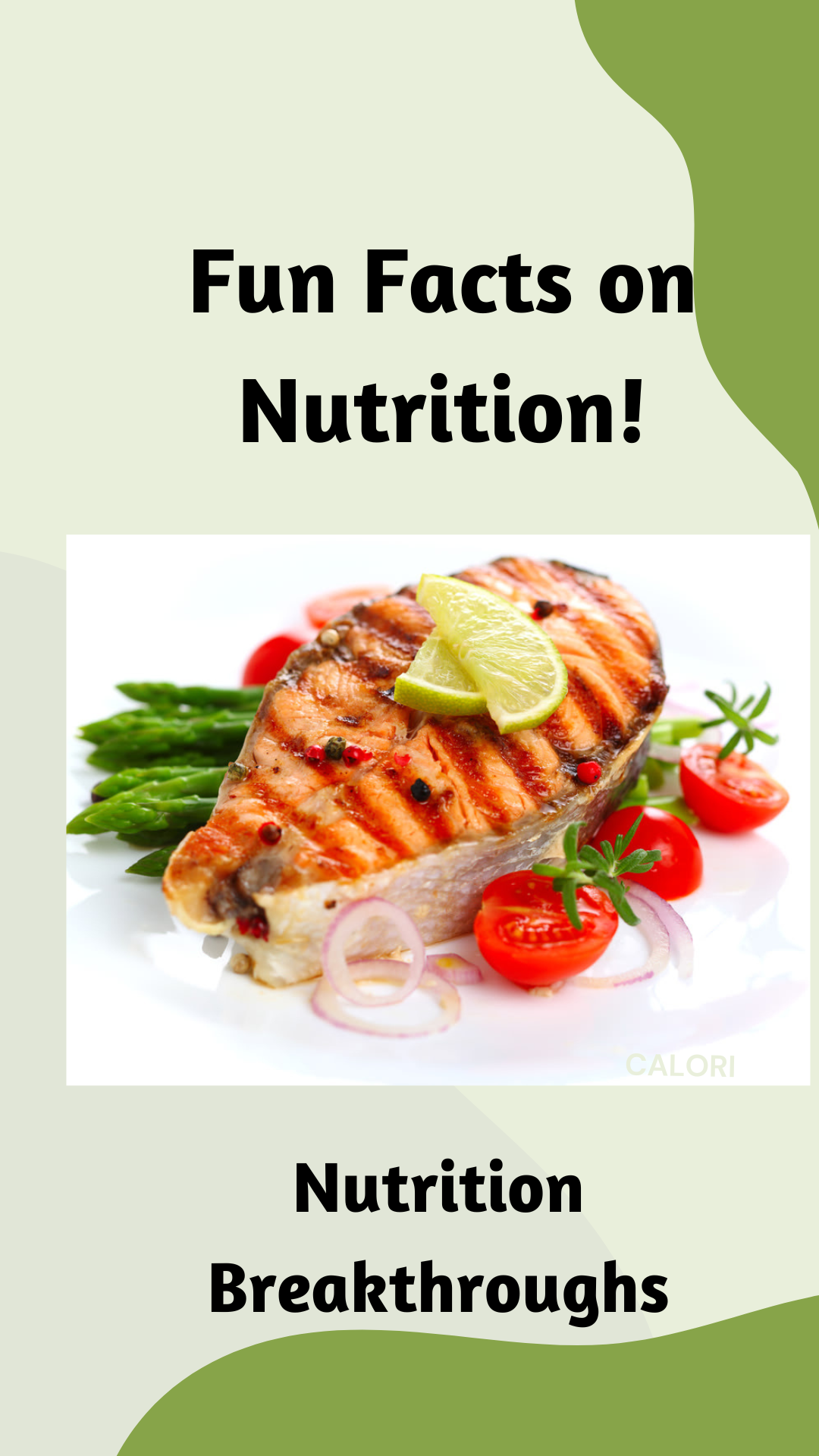 Welcome to the ninth issue of “Fun Facts on Nutrition You’d Never Guess!” Are you ready for some fascinating food facts? Then let’s begin!